শর্টস
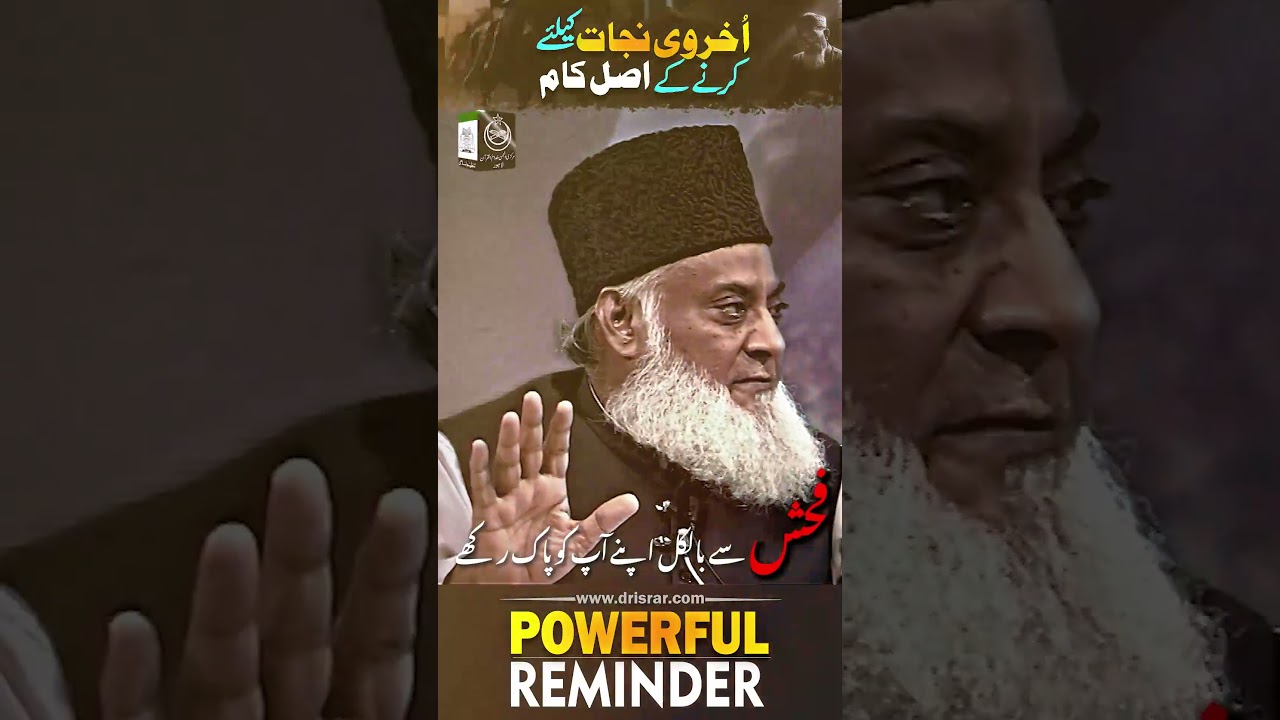
This lecture emphasizes prioritizing the afterlife while fulfilling worldly needs. It stresses reliance solely on Allah, avoidance of major sins, controlling anger, establishing a heart connection with Allah through prayer, seeking counsel, and dedicating wealth to the cause of Allah. The speaker advocates a balanced life focused on spiritual preparation and righteous action.

67

This lecture explores the critical importance of trustworthiness and fulfilling promises in Islam, drawing from a hadith narrated by Hazrat Anas bin Malik. The Prophet Muhammad (peace be upon him) emphasized that a person lacking trustworthiness and commitment to their word lacks both faith and religion. The discussion highlights that upholding promises is a fundamental pillar of a believer's character and a crucial component of a strong moral foundation. The lecture underscores the severe consequences of dishonesty and the rewards of being a person of one's word.
58
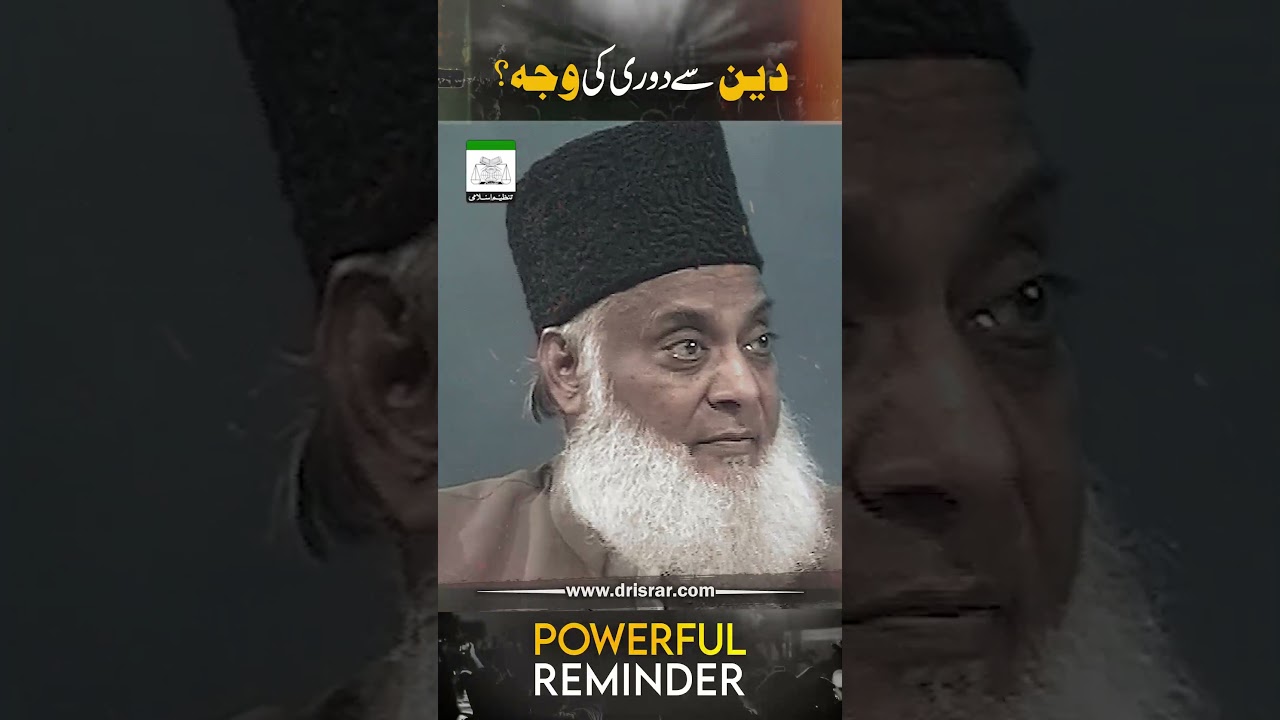
People are preoccupied with worldly pursuits and earning a livelihood, dedicating all their time and energy to material gains. They are consumed by the responsibilities of maintaining a certain lifestyle and upholding appearances. This dedication leaves them with no time for spiritual reflection or meaningful pursuits beyond the immediate demands of daily life. They are driven by a constant need to accumulate wealth and are trapped in a cycle of work and consumption, prioritizing worldly achievements over inner peace and fulfillment. Their energies are fully invested in these activities, leaving no space for introspection or devotion.
63

The Prophet Muhammad (peace be upon him) stated that the greatest struggle is the internal battle against one's own base desires (nafs). External enemies are easier to confront; the true enemy resides within. This internal struggle, or *jihad*, against the commanding self is the most virtuous form of worship. The Prophet clarified that the most excellent form of *jihad* is striving against one’s *nafs* in obedience to God. This lecture explores the profound significance of self-discipline and spiritual refinement.
66

Allama Iqbal, at the beginning of the 20th century, foresaw the rise of a destructive ideology, even before its full manifestation in Nazi Germany. His initial work focused on economics, but he was a philosopher and a poet with profound insight. He recognized the seeds of a sentiment that would later fuel the Holocaust—the perception of being controlled by external forces. This early awareness, predating overt reactions within Nazi Germany itself, allowed him to anticipate the potential for extreme brutality. The systematic extermination of six million people, a horrific event, stemmed from this perceived control and the resulting resentment. Iqbal understood the danger inherent in such beliefs.
67

Goodness is fundamentally linked to faith, not merely action. True goodness originates from an internal state of belief. Every act has both an external manifestation and an internal motivation. The core of a good deed lies in the intention behind it—the desire to please God and attain His blessings. Faith fosters both positive motivation to do good and negative motivation to avoid evil. Love for God and the fear of His punishment drive righteous behavior. Belief in the afterlife—heaven and hell—further strengthens these motivations, prompting individuals to seek reward and avoid condemnation. Thus, faith is the driving force behind genuine goodness and moral conduct.
60
