Korte broek
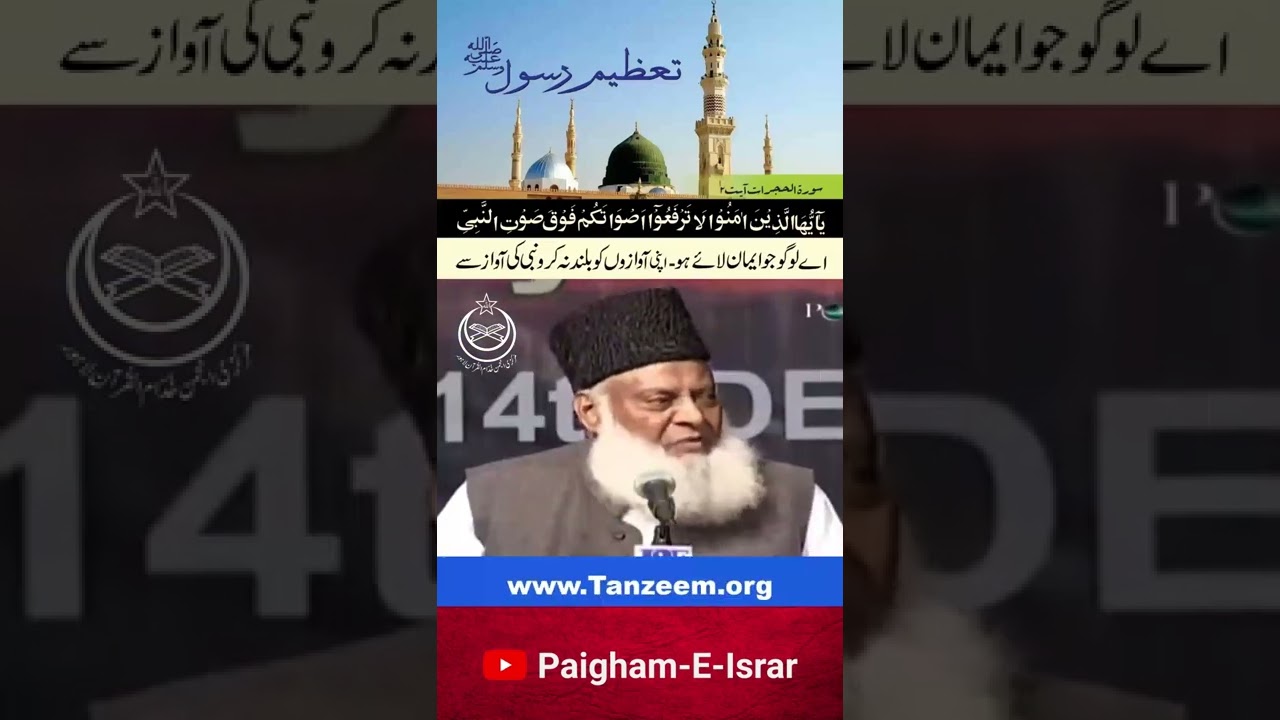
This lecture emphasizes the importance of respectful communication. It cautions against raising voices above the Prophet Muhammad’s, discourages boisterous or disrespectful dialogue, and warns that a lack of decorum can lead to the complete loss of influence and effectiveness, leaving one unaware of the damage caused. Maintaining respectful speech is crucial for preserving dignity and achieving positive outcomes in all interactions.

69
This discourse elucidates the core tenets of the true religion (Deen-e-Qayyimah), emphasizing the absolute Oneness of God (Tawhid) as the foundation of faith. It highlights that humanity was commanded solely to worship God sincerely and exclusively, maintaining a pure and unwavering devotion. The lecture further stresses the importance of establishing prayer (Salat) and fulfilling the obligation of Zakat as fundamental pillars of this worship. These acts, when performed with sincerity, constitute the essence of a life lived in submission to God. The discussion establishes prayer and Zakat as the most critical components of worship, alongside the pilgrimage, emphasizing their role in achieving spiritual fulfillment.
59
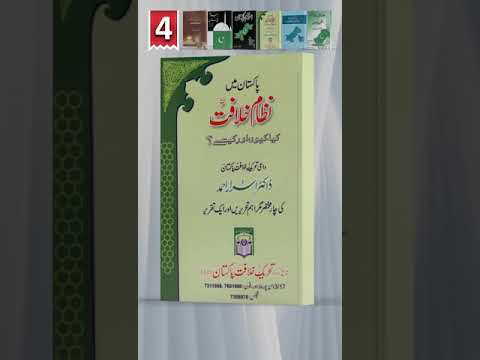
This collection of lectures by Dr. Israr Ahmad addresses critical questions about Pakistan’s history, ideology, and future. Topics include the legacy of the founder of Tanzeem-e-Islami, the viability of a caliphate system, the historical and political context of Islam in Pakistan, the factors contributing to Pakistan’s instability, and the reality of the Pakistan Ideology. The set also features Dr. Ahmad's analysis of Pakistan's political landscape from 1977 to 1987. Available for ₨1200 (originally ₨1900) from Maktaba Khuddam-ul-Quran, Lahore. Home delivery is free with cash on delivery. Order online at www.maktaba.com.pk or WhatsApp at 0301-1115348.
62
This lecture discusses the concept of personal allegiance (bayat) within a communal framework. It argues that a strong and cohesive group requires confidence in its leader, beyond mere adherence to a constitution or procedure. The speaker contends that while not forbidden, personal allegiance is less preferable to a system based on mutual trust and demonstrated leadership. He cites historical precedent and Quranic/hadith support for this position, contrasting it with a practice that emerged more recently. The core argument centers on the importance of genuine confidence in leadership for a functional and effective collective.
53
The Quran was not revealed all at once, but gradually over a period of time. This approach served multiple purposes. It allowed people to comprehend and internalize the teachings progressively, fostering deeper understanding and personal transformation. The gradual revelation accommodated the capacity of the audience, ensuring they could reflect upon and integrate the message into their lives. This method facilitated a lasting impact on their intellect, mindset, and overall character. The Quranic verse (Surah Bani Israel 106) explicitly states this intentional fragmentation to aid in recitation and comprehension.
46
Dr. Israr Ahmad explains the profound wisdom behind the Prophet Muhammad's (peace be upon him) decision to refrain from accepting charity (sadqa) or Zakat for himself and his household. This ensured that the benefits reached those truly in need – the poor and deserving. He emphasizes that wealth carries obligations beyond just Zakat, encouraging additional support for those less fortunate. The speaker repeatedly highlights that wealth carries responsibilities beyond the obligatory Zakat and encourages providing aid beyond it.
113
