Corti

The core concept of *La Ilaha Illallah* is the absolute Oneness of God. It signifies that there is no deity worthy of worship except Allah. This declaration demands complete devotion and the recognition of Allah as the sole object of love, desire, and worship. True *Tawhid* (Oneness of God) necessitates that all other loves and desires are subordinate to the love of Allah, leaving no independent beloved except Him. The essence of *Tawhid* lies in recognizing Allah as the only true and ultimate beloved, stripping away all other competing affections.

79
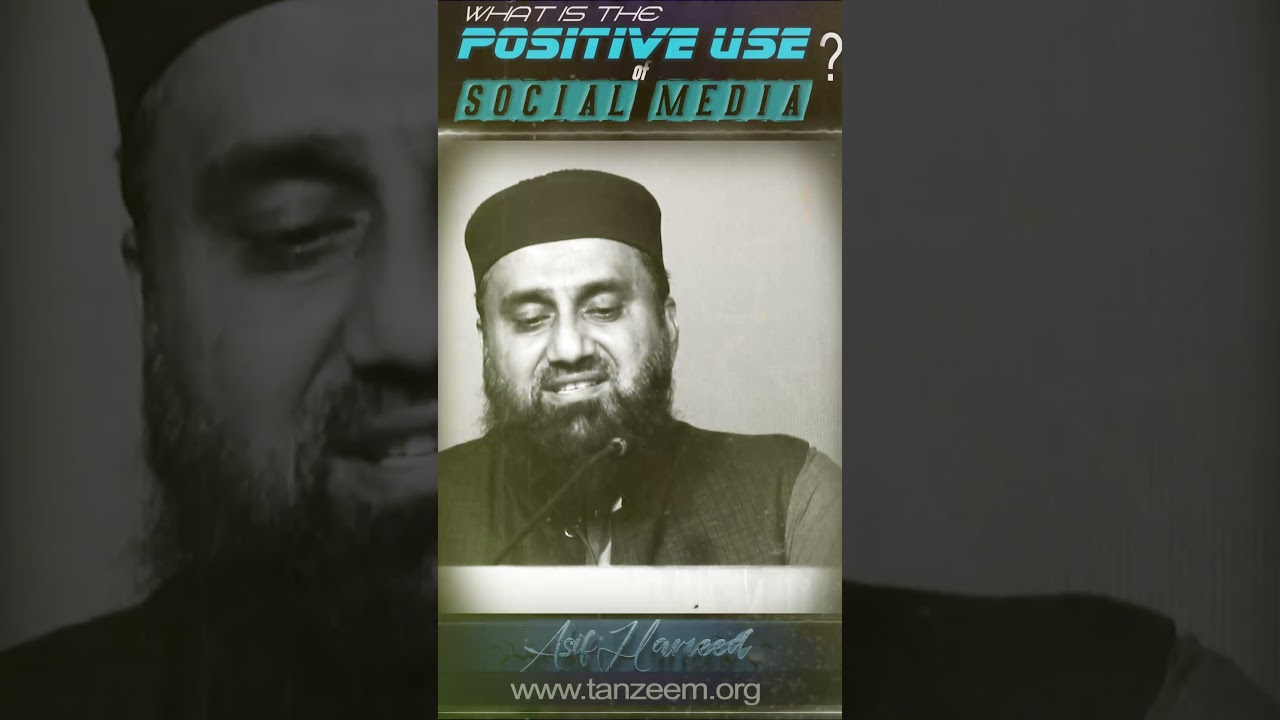
This lecture emphasizes the crucial role of social media in contemporary dawah and the propagation of Islamic thought, building on the legacy of Dr. Israr Ahmad. The speaker highlights the extensive digital archive of Dr. Ahmad’s content, now available across multiple platforms including YouTube (12 channels), Facebook (4 pages), Instagram (6 accounts), TikTok (2 accounts), Pinterest, SoundCloud, WhatsApp (3 channels), Telegram (2 channels), and dedicated websites. Viewers are encouraged to subscribe to these official channels to access authentic materials and actively share the content to broaden its reach. The speaker stresses the ease with which individuals can contribute to this dawah effort through simple actions like sharing content online, framing it as a continuation of the Prophet’s practice of utilizing available communication methods. The goal is to amplify the message of the Quran and strengthen the struggle for its implementation.
65
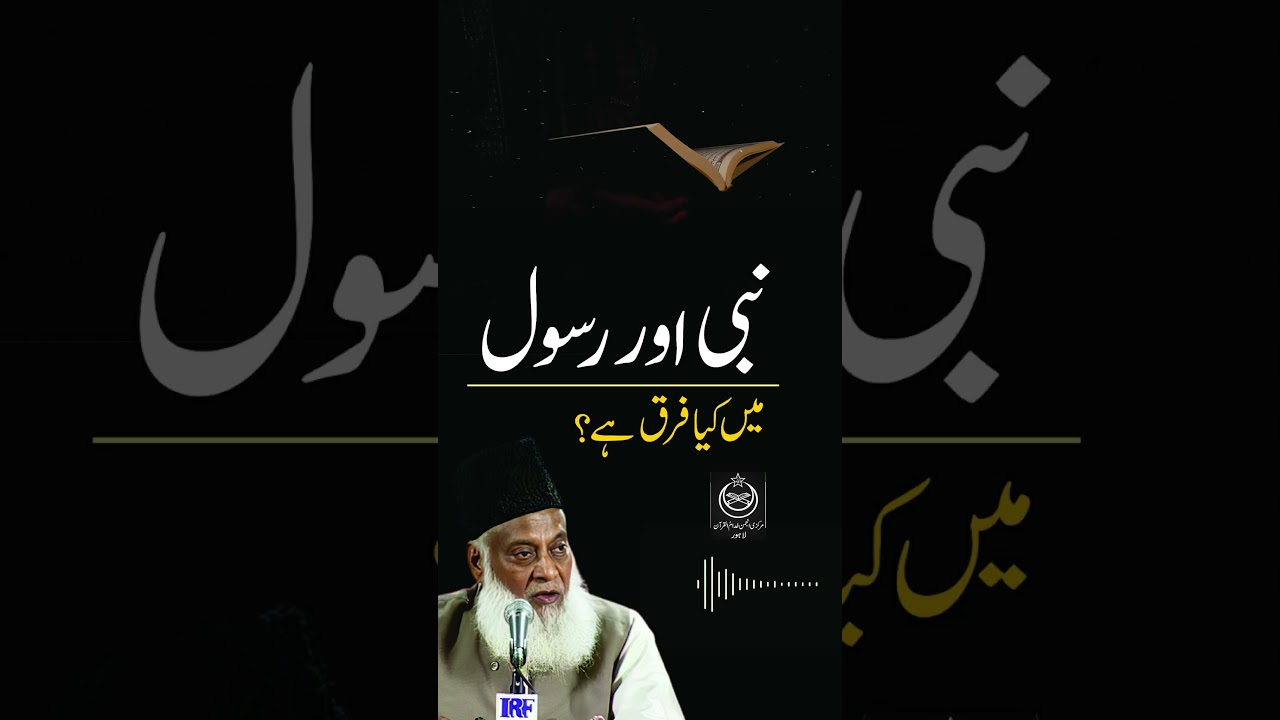
This lecture clarifies the distinction between *Nabuwat* (prophethood) and *Risalat* (messengership). It explains that all *Rusul* (messengers) are *Nabi* (prophets), but not all *Anbiya* (prophets) are *Rusul* (messengers). The analogy of a CSP officer’s career progression—qualifying through an exam, undergoing training, and then receiving specific assignments—illustrates the concept. Prophethood represents the foundational qualification, while messengership signifies a specific appointment to deliver a divine message. This appointment transforms the individual into a *Rasul*, tasked with conveying a warning or message to their people. The lecture emphasizes that this appointment defines the messenger’s role.
108

Time is presented as a powerful, swift force that relentlessly diminishes life. The speaker emphasizes that age isn't increasing, but rather decreasing with each passing moment. A person’s lifespan is finite; preoccupation with frivolous activities wastes this precious resource. A truly mindful and devout individual understands time’s value and refrains from squandering it on trivial pursuits. The lecture stresses the importance of recognizing time’s fleeting nature and utilizing it for meaningful endeavors. It highlights that a decreasing lifespan necessitates a focus on purpose and avoiding wasteful activities.
45
The Quran was revealed over a period of twenty-two years, equivalent to approximately 610-632 CE. The initial revelations were short verses, with many of the shortest surahs appearing first. The revelation occurred gradually, piece by piece. The commonly stated twenty-three-year period refers to the lunar calendar, while modern understanding often relies on the solar calendar.
71
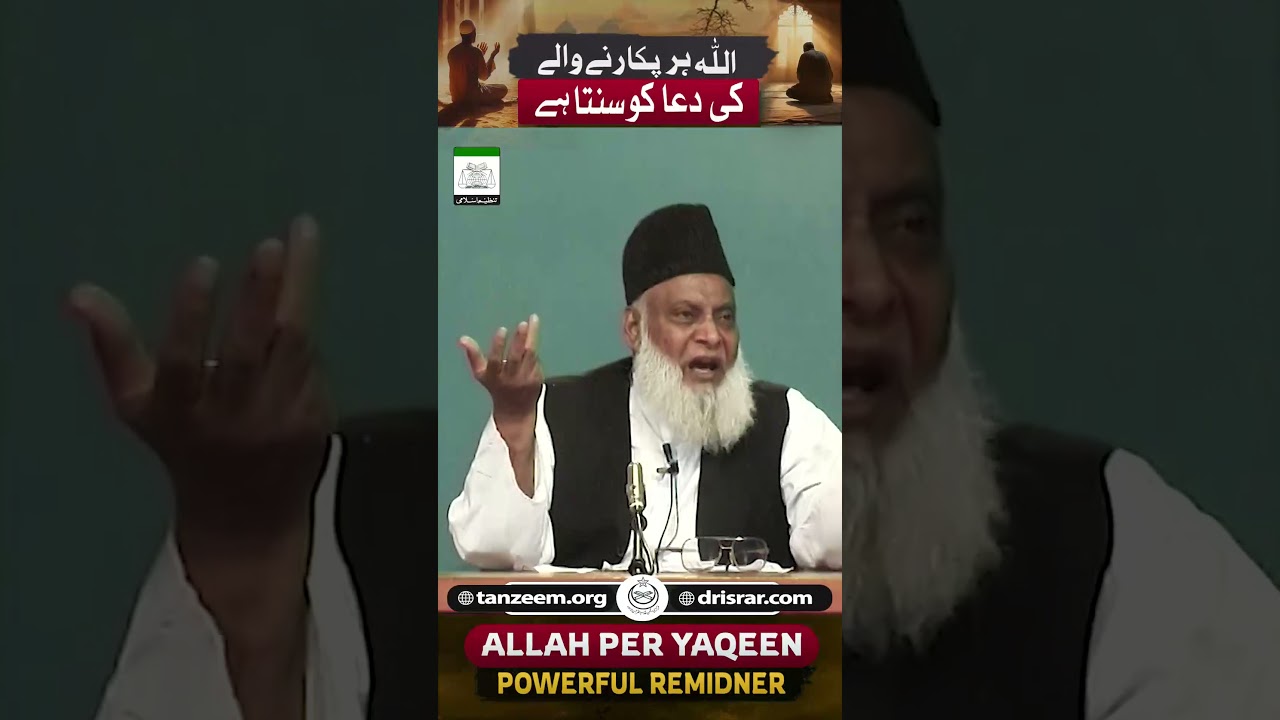
This lecture explores the deeper meaning of directing one’s attention towards God during prayer, specifically referencing Surah Fatiha. It explains that simply facing the Kaaba is insufficient; genuine connection requires inward focus and spiritual awakening. The speaker elucidates the verse concerning God’s responsiveness to sincere pleas, emphasizing His proximity to those who seek Him with earnestness. True prayer involves a complete turning towards God, a purification of intention, and an awareness of His presence. God answers every call, accepts every supplication, and responds to those who call upon Him sincerely, regardless of location.
99
