מִכְנָסַיִים קְצָרִים

Surah Al-Asr is among the shortest chapters of the Quran, consisting of only three verses. It is also among the earliest revealed chapters. The Quranic style, as described in Surah Hud, is to first establish firm principles and then elaborate upon them, originating from the All-Wise, All-Knowing. This lecture by Dr. Israr Ahmad explores the significance of Surah Al-Asr and its message of time, loss, and the importance of faith and righteous deeds.

62

This lecture emphasizes that prayer (dua) is the core of worship. God hears and responds to every sincere call, irrespective of the supplicant’s location or posture. God accepts prayers offered from any place, whether at home or elsewhere, and responds to those who turn to Him with devotion. The essence of faith lies in maintaining a constant connection with God through heartfelt supplication.
18

Human existence begins with a call to prayer at birth and concludes with a prayer upon death, differing only in the formalities of the *adhan* and *iqamat*. The time between these two prayers mirrors the brevity of worldly life. This lecture explores the concept that life is essentially the interval between the initial announcement of existence and the final prayer offered at its conclusion, emphasizing the transient nature of earthly existence and the importance of preparing for the afterlife. The formalities observed at birth and death—the *adhan* and *iqamat* at birth and the funeral prayer without them at death—highlight the fundamental transition between these two states.
50
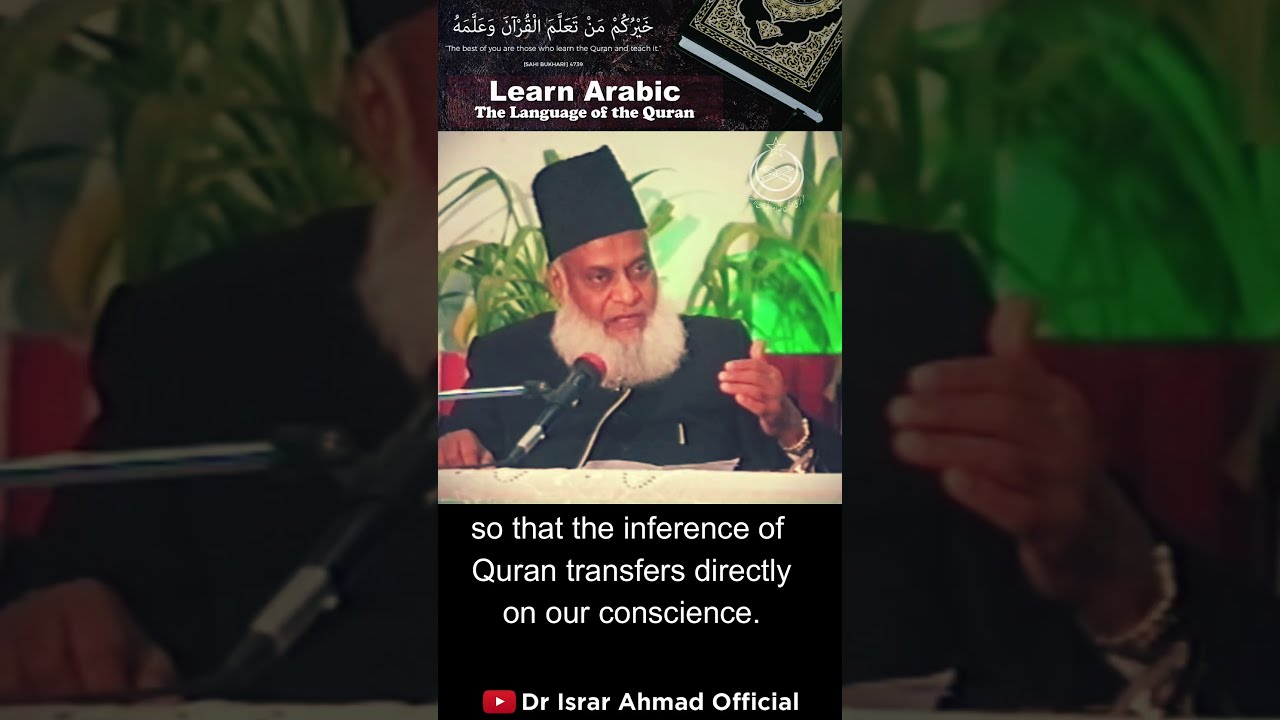
The Urdu language shares a profound connection with Arabic, extending beyond mere vocabulary. The script itself originates from Arabic, and numerous grammatical structures and lexical items are directly borrowed. This linguistic kinship makes learning Arabic particularly advantageous for Urdu speakers, facilitating a deeper understanding of religious texts like the Quran. Despite this inherent connection, sufficient effort hasn’t been directed towards mastering Arabic to directly grasp the Quran’s meaning. The speaker emphasizes the pervasive presence of Arabic-derived words in everyday Urdu speech, highlighting a missed opportunity for intellectual and spiritual enrichment.
53

This lecture discusses the significance of Friday sermons (Jum'ah) as a weekly reminder of life's true purpose: seeking the pleasure of God. It emphasizes that worldly possessions are merely necessities, not ultimate goals. The speaker highlights the importance of regularly renewing one's commitment to faith, clearing away distractions, and continuously seeking knowledge and spiritual training. The weekly gathering serves as a forum for reaffirming core beliefs and strengthening the foundations of faith, much like a revolutionary movement dedicated to God.
69

Human beings inherently seek to reassure their conscience, even those seemingly immersed in wrongdoing. This lecture explores the universal need to perform some act of goodness, offering a psychological solace amidst a life potentially dominated by negativity. The poet’s verse highlights how a continuous self-deception—finding justification in minor acts while overlooking greater failings—is essential for sustaining life, allowing individuals to cope with their inherent imperfections. The pursuit of goodness, however small, serves as a vital mechanism for maintaining psychological equilibrium.
62
