Kurze Hose
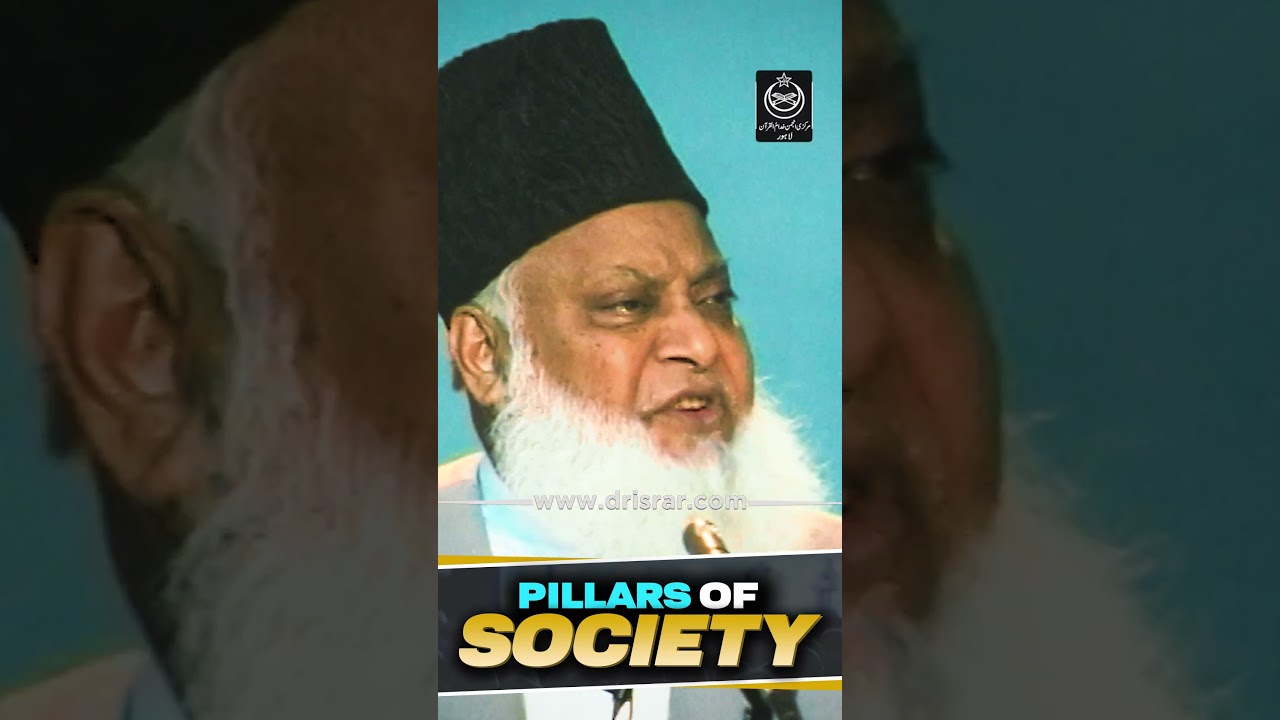
This lecture analyzes the power dynamics within a political system, asserting that media, particularly television, has become a dominant force, exceeding the influence of the traditional fourth estate. It argues that media outlets, especially those controlled by specific interests, shape public opinion and restrict independent thought. The speaker contends that this control effectively holds the nation hostage, dictating beliefs and perspectives. The analysis ultimately suggests a reduction in the pillars of power from four to three – the executive, judiciary, and legislature – due to the manipulative power of modern media.

39

The word ‘Sawm’ (fasting) fundamentally means to abstain or stop. This encompasses ceasing from eating and drinking, halting speech, or even pausing physical activity. The Quranic verse from Surah Maryam references a vow of abstinence. Historically, ‘Sawm’ in pre-Islamic Arabian society denoted refraining from desires, including sexual activity. It also described a horse standing perfectly still. The term was adopted by the Quran to define the act of fasting as a form of worship, signifying a complete cessation of bodily needs and worldly distractions. It’s a comprehensive cessation, not merely from food and drink, but from all impulsive desires and worldly engagements.
78

This lecture clarifies the concept of *shirk* (associating partners with God) as a profound injustice. It explains that *shirk* manifests in two ways: diminishing God's supreme status to the level of creation, or elevating a creation to the level of God. Both forms are described as a grave transgression and a significant injustice, as they displace something from its rightful place.
51

This lecture emphasizes the twin virtues of patience (sabr) and reliance on God (tawakkul) as fundamental principles for navigating life’s challenges. It stresses complete surrender to divine will, rejecting self-reliance on personal abilities, intelligence, or qualifications. True strength lies in enduring hardship with patience and placing unwavering trust in God’s plan. The core message advocates for abandoning dependence on one’s own efforts and instead, cultivating a complete and absolute trust in Allah for all outcomes.
71

Taghut refers to anything that transgresses the boundaries of worship and obedience to God. It originates from ‘tagha’, meaning to exceed limits. When something, be it an individual, institution, or state, oversteps the bounds of devotion intended solely for God, it becomes Taghut. This lecture defines Taghut as any entity that demands allegiance and submission outside of God’s commands. It emphasizes that the essence of worship is submission within defined limits, and exceeding these limits constitutes an act of Taghut. The concept extends beyond individuals to encompass systems and ideologies that usurp divine authority and demand absolute obedience, leading to a deviation from true worship.
49

This lecture explains that accountability for evil deeds is direct and proportionate to the harm caused. Conversely, the acceptance of good deeds is contingent upon faith—belief in God, the Day of Judgement, angels, scriptures, and prophets. Giving to relatives, orphans, and the needy are also emphasized as integral aspects of righteous conduct. True piety isn’t merely outward displays of devotion, but sincere belief and action rooted in faith. The core message stresses that actions are judged based on intention and belief.
50
