מִכְנָסַיִים קְצָרִים
Shirk fi zāt, considered the most egregious form of polytheism, involves associating partners with God's very essence. This belief, tragically prevalent amongst some communities claiming Abrahamic lineage, manifests as attributing offspring to God. The argument posits that just as offspring inherit traits from parents, a divine 'offspring' would necessarily share God's attributes, thereby equaling God. This concept fundamentally contradicts the absolute uniqueness and transcendence of God, and is a severe transgression. It represents the ultimate in associating partners with God, exceeding even the worship of idols.

70
The Quran is presented as the primary miracle of the Prophet Muhammad (peace be upon him). Its greatest miracle in the modern world is its demonstrated ability to instigate a monumental revolution in human history, establishing a just system. This entire process operates through the message of the Quran, emphasizing its role as the foundation of transformative change and a call to action through its teachings.
345
This lecture emphasizes the comprehensive responsibility of individuals, particularly heads of households, not only to provide for their families' material needs but also to ensure their spiritual well-being and protect them from the consequences of wrongdoing. It highlights that each person will be held accountable for the guidance and upbringing of those under their care – spouses, children, and other dependents. The speaker stresses that safeguarding one's family from the fires of hell is a positive and essential duty, drawing parallels to a shepherd being accountable for their flock.
92
This lecture elucidates the profound depth of Ghalib’s poetry, asserting it transcends mere artistic expression to become a vessel of divine communication. The speaker argues that each word chosen by Ghalib is deliberate and laden with meaning, functioning as a key to unlocking a treasury of wisdom. He draws parallels between Ghalib's verses and the Quran, emphasizing the significance of every letter and its connection to knowledge, philosophy, and spiritual insight. Ghalib’s poetry is presented not as exaggeration, but as a carefully constructed system of symbolic representation, revealing layers of hidden truths and divine guidance.
70
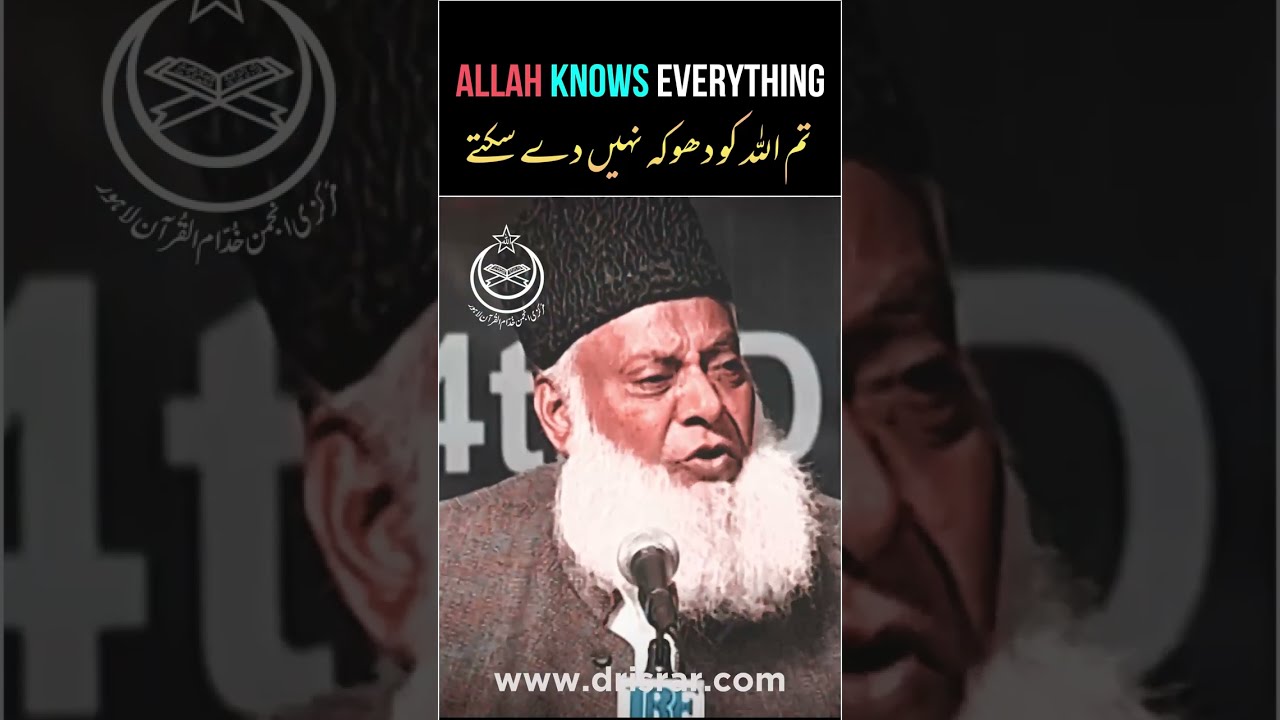
This lecture addresses the deceptive nature of presenting outward religious acts while harboring inner disobedience. It asserts that Allah is not fooled by superficial displays of piety, such as performing Hajj or Umrah with ill-gotten gains. Partial obedience is considered equivalent to disobedience, and true acceptance from Allah requires complete sincerity and adherence to divine commands. The speaker emphasizes that worldly punishments are a direct consequence of collective wrongdoing, despite the vast Muslim population globally, and that genuine faith demands more than mere ritualistic practice.
66
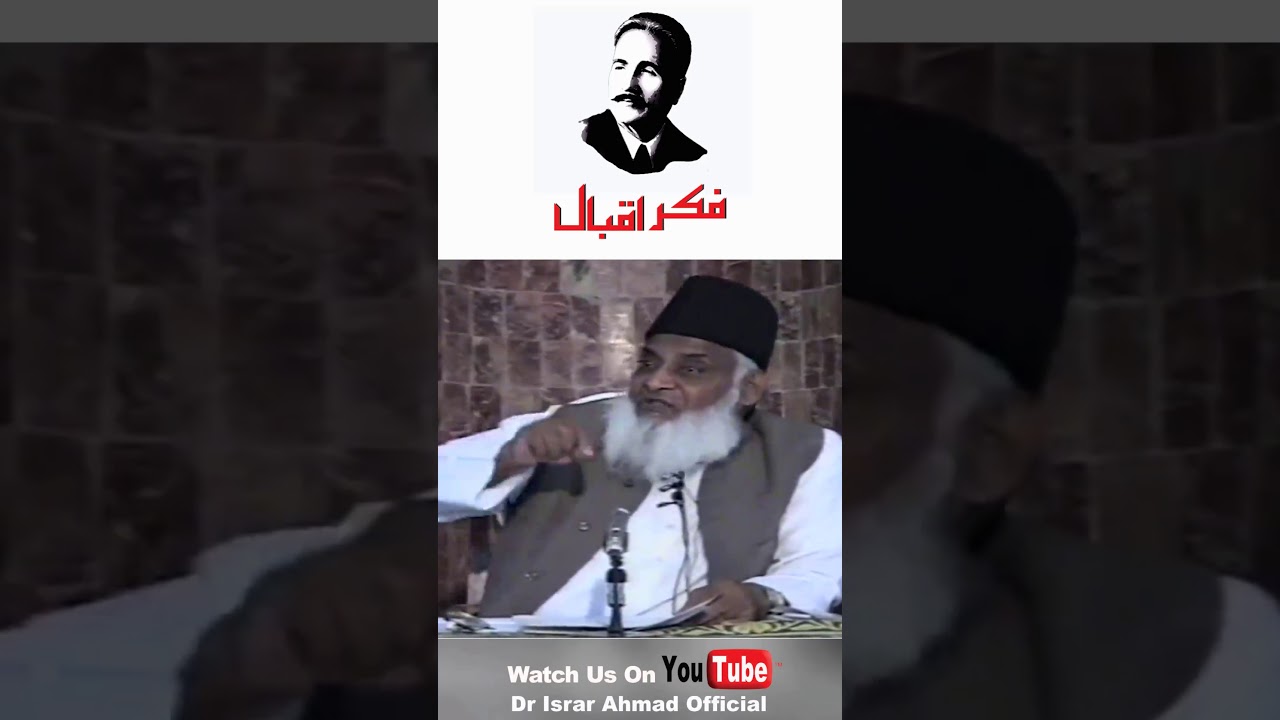
Iqbal critically analyzes modern ideologies, identifying secularism and nationalism as significant threats—forms of idolatry—to Islamic faith and societal values. He posits that prioritizing the nation-state over faith creates a new form of worship, eclipsing the divine. Iqbal warns that materialism, prevalent in contemporary civilization, further exacerbates this spiritual crisis. He emphasizes the strength of Islam and calls for a return to its principles, urging Muslims to resist these destructive ideologies and uphold their faith. He views the current age as marked by intense emotional fervor and the corruption of religious values.
62
