شلوار کوتاه

This narrative recounts the brutal torture inflicted upon Hazrat Samia and Hazrat Yasir, early converts to Islam, by Abu Jahl. Despite relentless physical abuse, including being tied to pillars and subjected to intense pain, they refused to renounce their faith. Abu Jahl offered to spare Hazrat Samia's life if she acknowledged the divinity of an idol, but she spat at it, intensifying his wrath. The account highlights their unwavering commitment to Islam in the face of extreme adversity and the prophetic announcement of their eventual reward in paradise, delivered by the Prophet Muhammad (peace be upon him).

50
This lecture explores the concept of national identity, presenting the nation-state as a modern construct akin to a deity. It argues that in the contemporary era, the nation has replaced traditional faiths as a primary source of allegiance and purpose. The poem emphasizes the nation’s all-encompassing nature, where national identity is interwoven with religious belief. The speaker calls for strength derived from the principles of Tawhid (Oneness of God) and emphasizes the importance of Islam as a guiding force for the nation. The lecture ultimately proposes that patriotism, when rooted in Islamic values, can be a powerful force for national progress and spiritual elevation.
48
This lecture asserts that true sovereignty rests solely with God, rejecting the concept of human or national governance. It emphasizes that ownership, in its entirety, belongs to God, with all possessions – including one’s own body and progeny – being held in trust. The discussion refutes any form of human rule, whether individual kingship, national dominion, or popular sovereignty, deeming them forms of associating partners with God. The speaker stresses that God, or His appointed representatives, are the sole law-givers, and true authority emanates only from the Divine.
65
This lecture discusses the permissibility of a mutual aid system (Imdad Bahawi) specifically for financing Hajj pilgrimage or fulfilling other needs. The system involves contributions from members, and a lottery or similar method determines the order in which members receive funds. It's explained that this is not considered interest-based, as members are simply pooling their resources and receiving funds back in a predetermined order. The lecture highlights the benefit of receiving a lump sum of money, enabling recipients to pursue business ventures or fulfill essential needs.
58
The core message of the Quran centers on the singular worship of Allah. This lecture explains that the foundational principle of the Quranic invitation is devotion to Allah alone, rejecting all other forms of worship. The Quran emphasizes establishing worship of the Creator, as highlighted in Surah Hud’s opening verses, which describe the Quran as a firmly established book with detailed revelations from the All-Knowing, Wise Creator. The Quranic command, 'Do not worship anyone besides Allah,' reinforces this central theme, making the exclusive worship of Allah the essence of the Quranic message. This singular devotion is the key takeaway of the entire scripture.
85
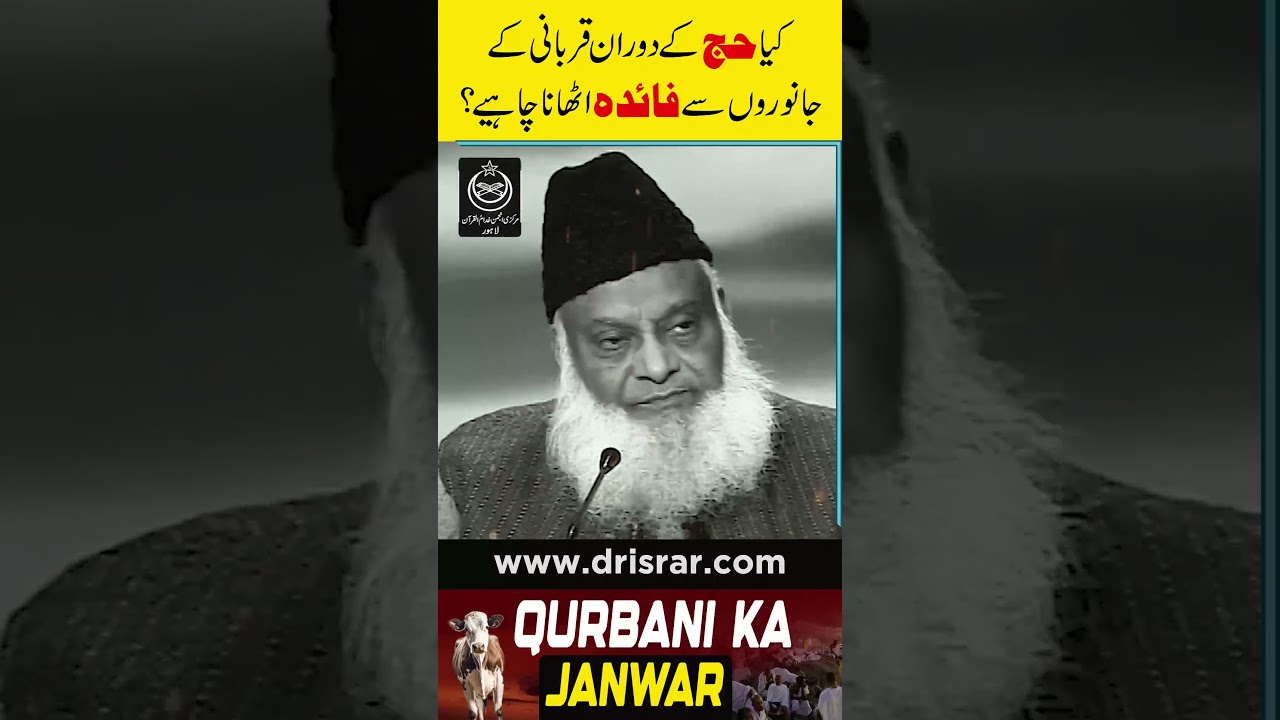
This lecture discusses the significance of sacrificial animals in Islam, specifically during Hajj and Eid al-Adha. It explains that these animals represent symbols of devotion to God and foster a spiritual connection. The benefits derived from these animals, such as milk and other resources, are permissible, highlighting the inherent goodness and blessings within the act of sacrifice. The practice reinforces faith and strengthens the believer’s relationship with the Divine.
50
