السراويل القصيرة

This narrative recounts the brutal torture inflicted upon Hazrat Samia and Hazrat Yasir, early converts to Islam, by Abu Jahl. Despite relentless physical abuse, including being tied to pillars and subjected to intense pain, they refused to renounce their faith. Abu Jahl offered to spare Hazrat Samia's life if she acknowledged the divinity of an idol, but she spat at it, intensifying his wrath. The account highlights their unwavering commitment to Islam in the face of extreme adversity and the prophetic announcement of their eventual reward in paradise, delivered by the Prophet Muhammad (peace be upon him).

50
This lecture clarifies the distinction between permissible (halal) and prohibited (haram) actions and foods in Islam. It specifically addresses ‘mushtabahat’ – the grey areas between clear halal and haram. The speaker emphasizes erring on the side of caution and avoiding ambiguous matters to maintain piety. While legally permissible to engage with ambiguous things if their prohibition isn’t definitively proven, true piety lies in restricting oneself to that which is demonstrably halal, based on evidence from the Quran and Sunnah. The lecture stresses that while the law may allow for ambiguity, religious devotion demands a higher standard of certainty.
65
Religion, or *deen*, is a timeless system of life, consistent throughout the ages with prophets like Noah, Abraham, Moses, Jesus, and Muhammad. *Shariat* (law) is a variable component that adapts to specific eras. True religion is a just system, a framework for social justice. Lasting positive results require the implementation of this just system, not merely the enforcement of laws. Both religious principles and Islamic law are essential for societal betterment.
47
This lecture emphasizes that the Quran is a gift from Allah, representing His grace and mercy. It is a source of guidance in this world and a promise of mercy in the hereafter. The speaker highlights its immeasurable value, surpassing all worldly possessions like wealth, property, and material comforts. The Quran provides true joy and fulfillment, exceeding the satisfaction derived from accumulating possessions or building luxurious homes. It is a treasure that should be cherished and celebrated.
67
The lecture defines migration (Hajrat) not merely as physical relocation, but as abandoning anything displeasing to God. It outlines three levels: renouncing interest-based transactions, establishing modesty and privacy within the home, and ultimately, sacrificing all worldly possessions – even family – to uphold and defend the faith when facing persecution and conflict. This final level represents the highest form of migration, undertaken when actively striving to establish God’s law.
57
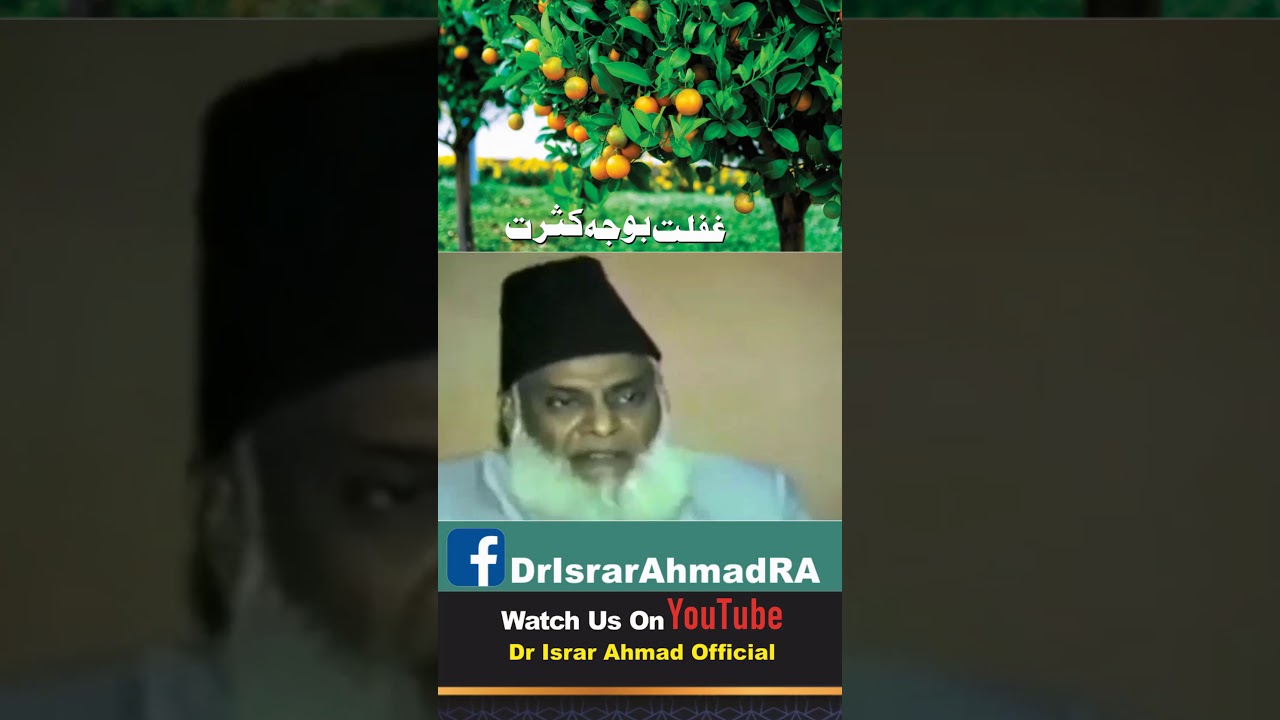
This lecture emphasizes the value of sufficiency over abundance. It highlights that having limited resources, but being content and self-reliant, is preferable to having plenty while being heedless and dependent on others. The core message is that fulfilling basic needs with dignity is superior to living a life of extravagance and reliance on external support. True well-being lies in avoiding debt and maintaining independence, even with modest means. Contentment and self-sufficiency bring peace of mind and protect one from humiliation.
73
