Calção
The Prophet Muhammad (peace be upon him) was asked about the most virtuous form of migration. He responded that the most excellent migration is abandoning everything displeasing to God. This necessitates a personal assessment of one’s life and the eradication of actions contrary to the spirit of Islamic law. The lecture emphasizes immediate action, stating that the time for rectifying oneself is now, before it is too late. It's a call for sincere repentance and a commitment to living a life aligned with divine guidance.

231
Shirk, or associating partners with God, manifests differently across eras. The forms of shirk prevalent centuries ago are not necessarily identical to those of today. New forms of shirk emerge, requiring continuous discernment and intellectual insight. Without this insight, individuals may mistakenly label practices as shirk based on historical rulings, while failing to recognize contemporary expressions of shirk. The ability to identify and reject the shirk of one’s own time is crucial, as demonstrated by scholars like Ibn Taymiyyah, but recognizing *current* forms of shirk demands ongoing vigilance.
51
This lecture clarifies the nature of faith (Iman) in Islam. It distinguishes between the declaration of faith – the verbal profession of ‘La ilaha illallah Muhammadur Rasulullah’ – and the inner conviction of the heart (yaqeen-e-qalbi). The speaker explains that simply being born into a Muslim family or joining a community adopting Islam does not automatically equate to true faith. True faith necessitates a deep, internal certainty. The initial declaration establishes a legal status of being a Muslim, but genuine belief requires a conviction within the heart. This discussion emphasizes the difference between outward profession and inward acceptance.
52
This lecture emphasizes the constant remembrance of Allah in all aspects of life. It highlights the importance of incorporating supplications (du'a) into daily routines – upon entering and exiting homes, markets, and even restrooms – without disrupting one's activities. The core message is maintaining a continuous connection with Allah through these acts of devotion. The speaker further emphasizes the significance of reciting the Quran and offering prayers as the greatest forms of remembrance. This constant connection, the lecture argues, is the essence of a believer’s life.
59
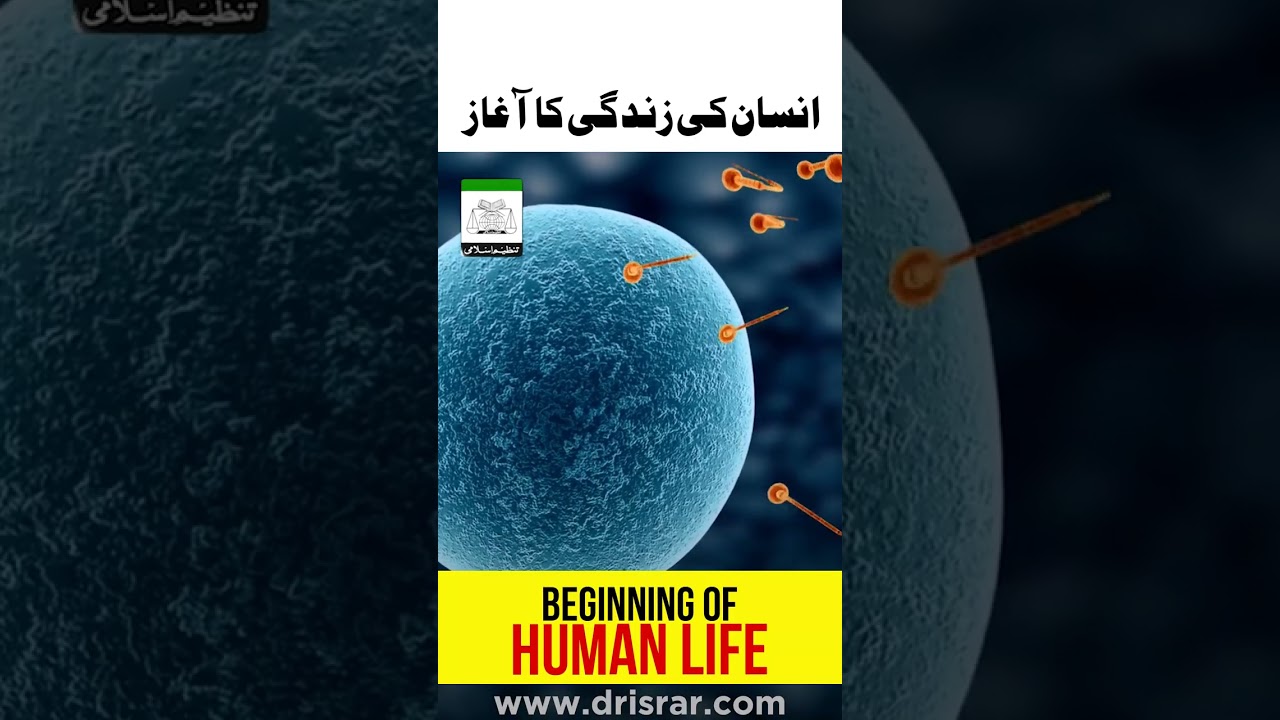
Modern microscopic observation confirms the Quranic description of human origins as detailed in Surah Qiyamah. The verse referencing the initial state as ‘nutfa’ (a drop) aligns with scientific understanding of fertilization. Microscopic analysis reveals the active, living spermatozoa originating from the male contribution, demonstrating life’s commencement at conception. The video elucidates that life does not begin 120 days after fertilization, but from the very beginning, supporting the Quranic account.
60
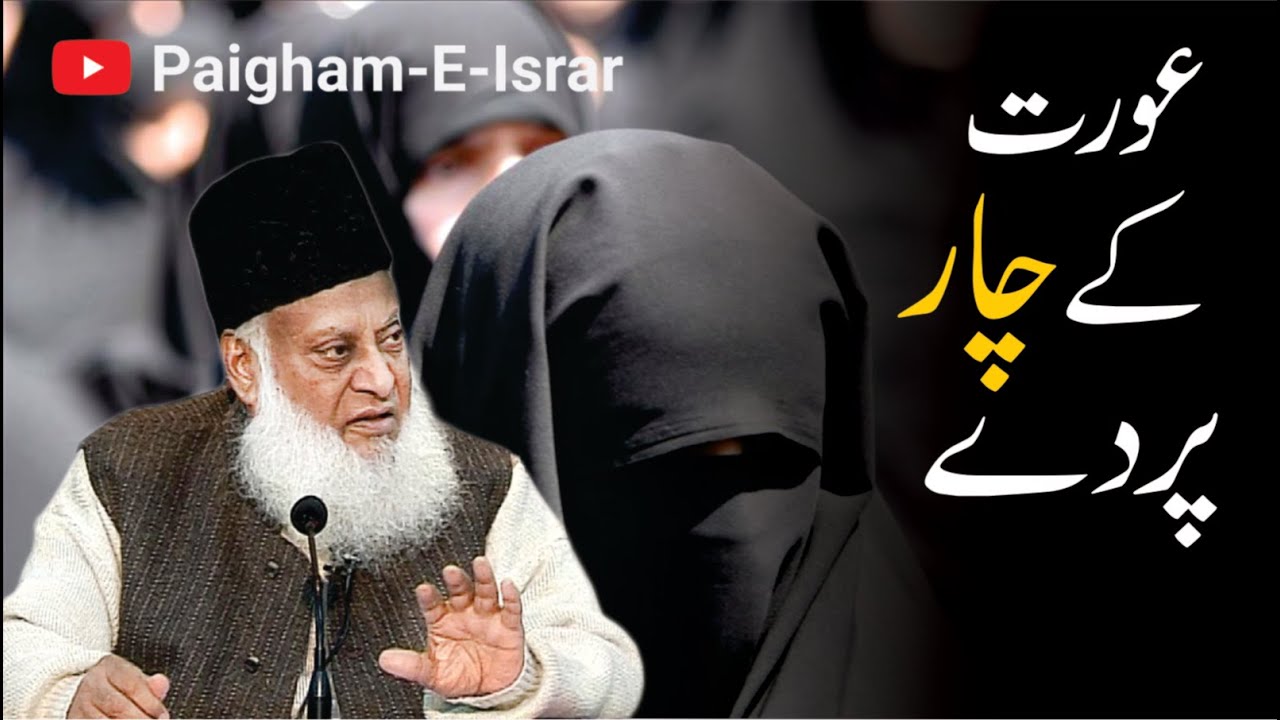
This lecture details the four levels of modesty (pardah) prescribed in Islam. The first level involves segregation of genders in social settings. The second concerns appropriate attire when leaving the home, evolving from the jilbab to the burqa for increased ease and protection. The third level restricts access to the home to only close male relatives (mahram). Finally, the fourth level mandates covering the entire body even before mahram relatives, leaving only the face, hands, and feet exposed. The speaker emphasizes that these principles are being eroded in modern times, representing a deliberate attack on Islamic teachings.
65
