Corti
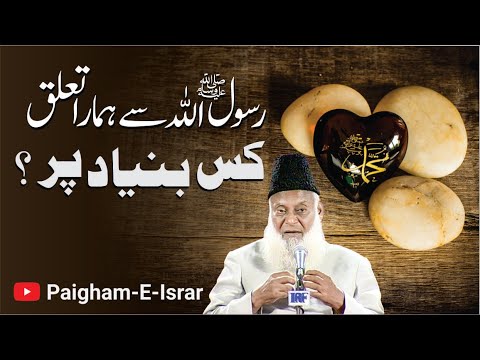
This lecture details the Prophet Muhammad’s (PBUH) unique mission, distinguishing it from those of previous prophets. The Prophet’s unwavering integrity, self-reliance, and dedication to establishing a complete system of life are emphasized. The discussion highlights the two phases of the prophetic mission: initial, common to all prophets (invitation to God, glad tidings, warnings), and the unique, comprehensive mission given to Muhammad (PBUH) – establishing a complete way of life based on divine guidance. The Quranic verses from Surah Taubah, Surah Safah, and Surah Fatah, which repeatedly emphasize this comprehensive mission, are referenced. The lecture underscores the Prophet’s unparalleled commitment to implementing a complete system of life, a responsibility not shared to the same extent by previous prophets.

70
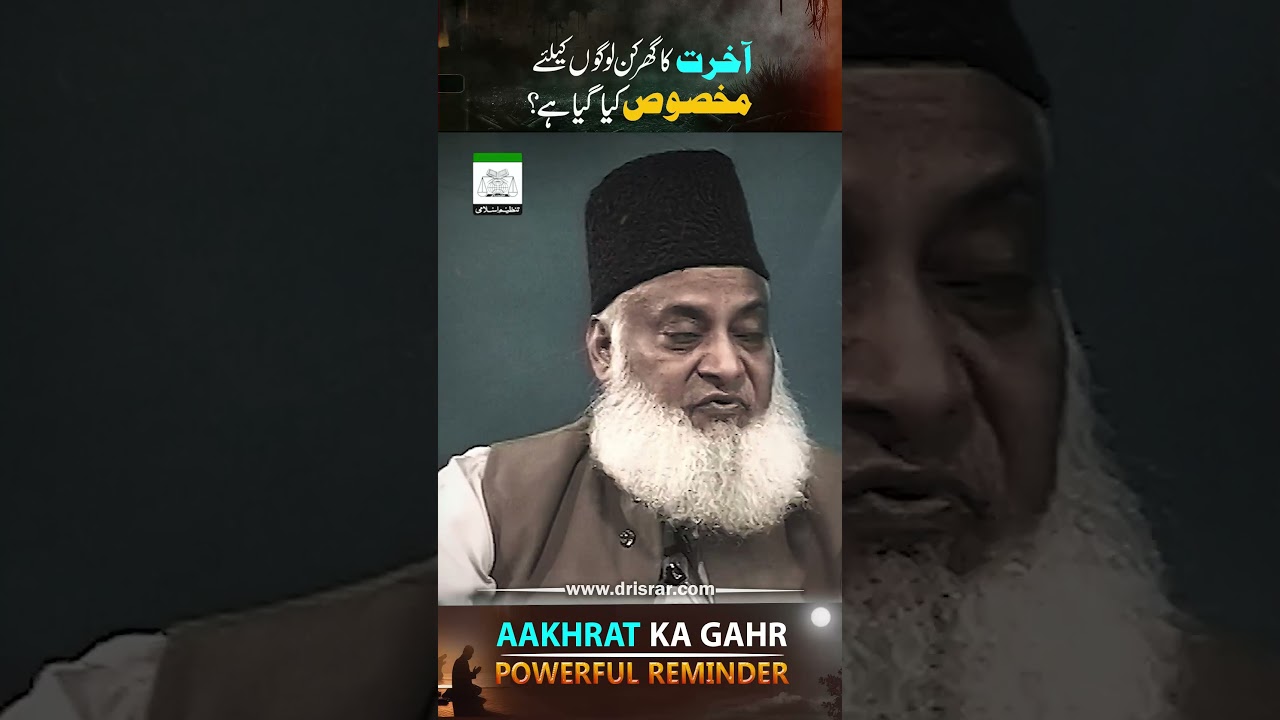
This lecture clarifies that the home of the hereafter is reserved for those who abstain from seeking power, dominance, or causing corruption on Earth. It emphasizes that this reward is specifically for the righteous, those who prioritize piety and fear of God. The ultimate outcome and blessings of the afterlife are exclusively for the God-conscious, who will experience lasting peace and fulfillment through divine grace. The lecture highlights that true success lies not in worldly achievements but in cultivating inner righteousness and striving for God's pleasure.
66
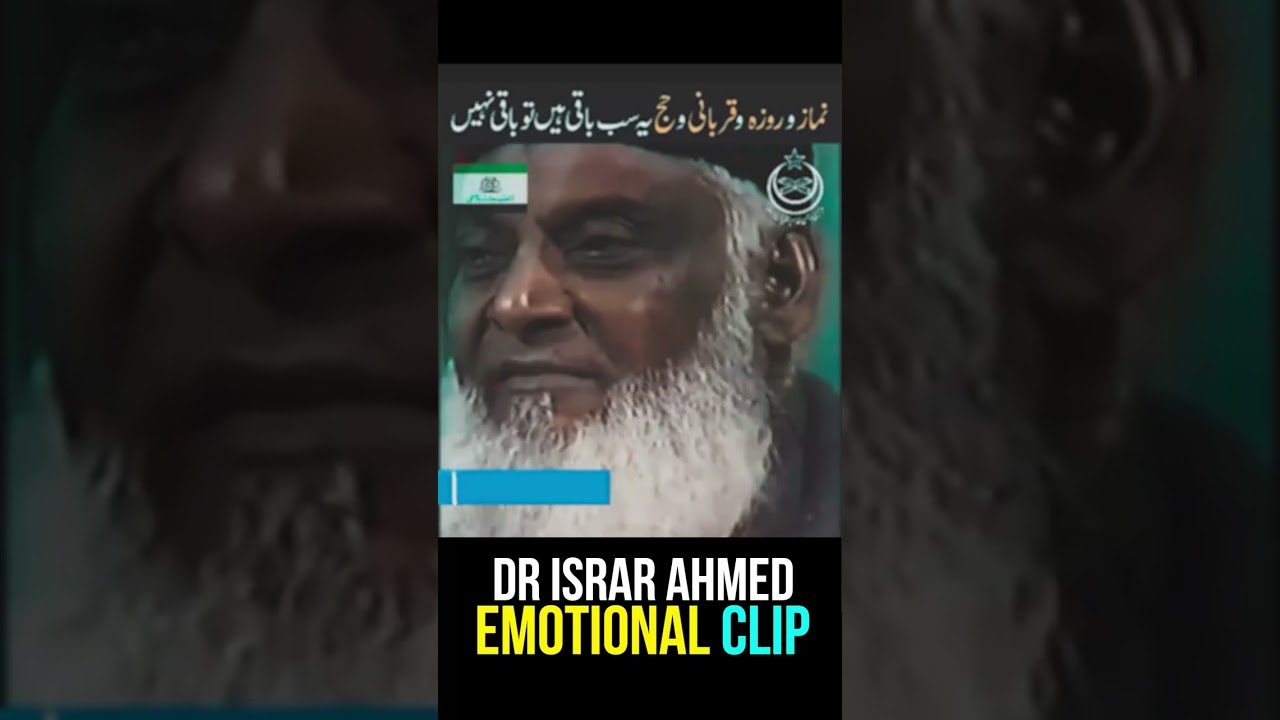
This lecture discusses the diminishing spiritual impact of rituals like mourning ceremonies, prayer, fasting, sacrifice, and pilgrimage. It argues that mere performance of these acts, without genuine inner transformation, yields no societal benefit. The speaker contends that individuals often return from these practices unchanged, even emboldened to sin, perceiving them as a license for future transgressions. True spiritual benefit requires a profound personal change, not simply the outward completion of religious duties. The speaker emphasizes the lack of positive impact on society despite large numbers participating in religious observances.
50
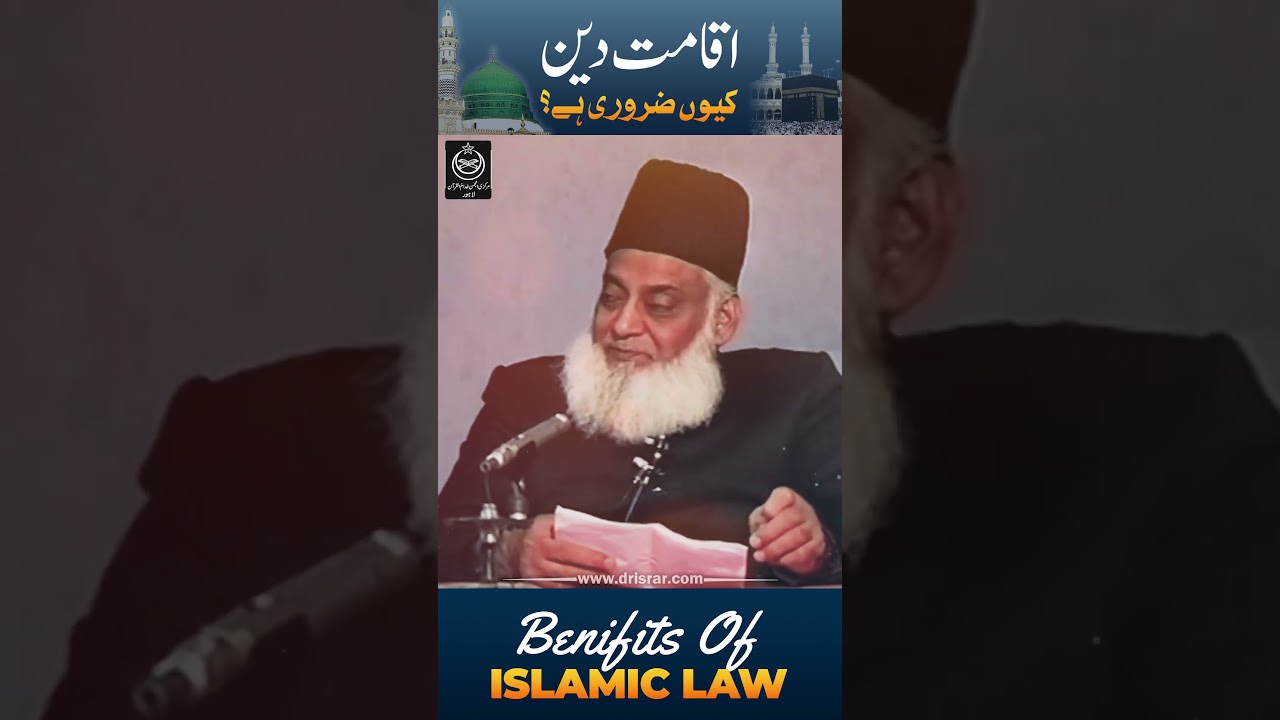
This lecture emphasizes the necessity of establishing a complete Islamic system of life, ensuring that divine law governs all aspects of society, including the legal and parliamentary systems. It argues that adherence to the Quran and the teachings of the Prophet Muhammad is crucial for societal well-being and that neglecting these principles leads to spiritual and societal decline. The speaker stresses that Islam is intended to be a dominant force for good, not to be subjugated, and highlights the importance of unwavering commitment to its principles, even in the face of opposition. The discussion also addresses the historical context of divine scriptures and the consequences of deviating from them.
60
Human personality is comprised of two essential aspects: knowledge and thought, and action and character. These two are inextricably linked; a person’s beliefs and ideas manifest in their actions, ethics, and dealings. Correct action stems from sound thinking; flawed foundations lead to flawed outcomes. Limited thought results in limited action and character. A skewed initial approach inevitably leads to a distorted final result.
44
This lecture addresses the challenges of raising children in a materialistic world. It clarifies that not all spouses and children are supportive, and some may lead one astray. The core message emphasizes that true success lies in nurturing children with Islamic values, providing them with a good education through lawful means, and avoiding compromise on principles for their sake. It warns against prioritizing children’s worldly desires over one’s own spiritual well-being and highlights that sacrificing integrity for their happiness is detrimental. The speaker stresses that the greatest misfortune is to ruin one’s afterlife while trying to build a good life for one's children.
104
