শর্টস
This lecture details the Prophet Muhammad’s (PBUH) unique mission, distinguishing it from those of previous prophets. The Prophet’s unwavering integrity, self-reliance, and dedication to establishing a complete system of life are emphasized. The discussion highlights the two phases of the prophetic mission: initial, common to all prophets (invitation to God, glad tidings, warnings), and the unique, comprehensive mission given to Muhammad (PBUH) – establishing a complete way of life based on divine guidance. The Quranic verses from Surah Taubah, Surah Safah, and Surah Fatah, which repeatedly emphasize this comprehensive mission, are referenced. The lecture underscores the Prophet’s unparalleled commitment to implementing a complete system of life, a responsibility not shared to the same extent by previous prophets.

70
This lecture details three elements that lead to salvation and three that lead to destruction. Salvation is achieved through fear of God in both private and public, speaking the truth regardless of anger or pleasure, and fulfilling one’s obligations. Destruction stems from following one's desires, excessive love of wealth, and self-admiration. Self-regard is presented as the most dangerous of these destructive traits, hindering spiritual progress and distancing one from divine guidance.
74
This lecture discusses the extension of the principles of Hajj beyond the physical pilgrimage. It explains how the reverence associated with specific locations in Hajj, and the importance of sacrifice within the Hajj rituals, are mirrored in the universal practice of offering sacrifice. The speaker highlights how participation in sacrifice, even when unable to physically perform Hajj, allows Muslims worldwide to share in a core tenet of the pilgrimage. Similarities between the restrictions observed during Ihram and the spirit of sacrifice are drawn, emphasizing the broader application of Hajj’s principles to the entire Muslim community.
70
This lecture clarifies whether good deeds remain valid despite the presence of evil actions, or if evil deeds nullify the effect of good deeds. It asserts that evil actions definitively diminish or invalidate the benefits of good deeds, rendering them ineffective. Committing grave sins, such as denying the Quran or the Prophet Muhammad, can completely negate all accumulated good deeds.
70
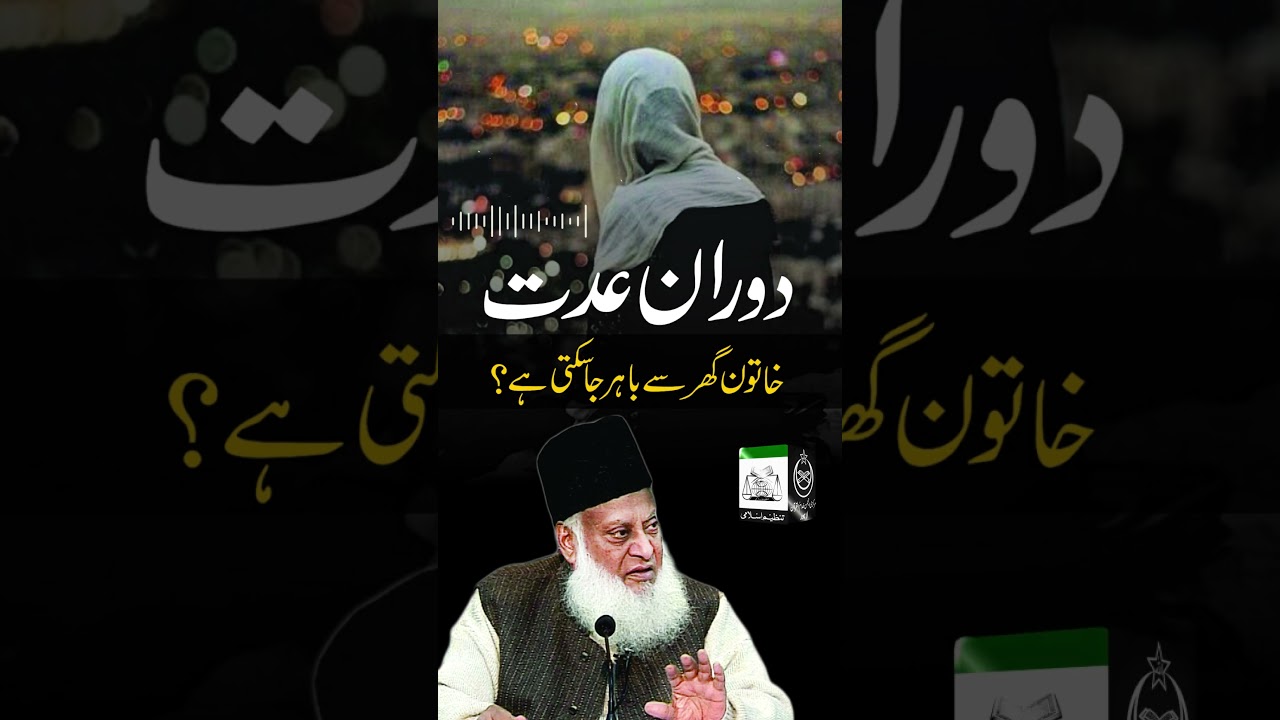
Many women arbitrarily fulfill numerical requirements for religious permissions, obtaining consent from scholars under duress. This practice is questioned as potentially disrespectful to Islamic law. The discussion clarifies that it doesn't prohibit leaving the home entirely, but emphasizes the importance of spending nights within the home and avoiding excessive adornment. The permissions sought are often linked to going out while still applying makeup, which is problematic.
62

Partial obedience is ultimately disobedience. True faith demands complete submission to divine commands. Selective acceptance of religious tenets renders all obedience void. This lecture details the severe consequences outlined in Surah Baqarah, verse 85, for those who pick and choose which aspects of faith to follow. Such individuals face humiliation in this world and intensified punishment on the Day of Judgement. The core message emphasizes that the veto power resides within one's own desires, and yielding to them when it comes to divine commands is unacceptable. Complete and sincere obedience is essential for spiritual well-being and salvation.
66
