短裤

This lecture explores the meaning of ‘Akbar’ as revealed in the initial verses concerning the prophethood. It emphasizes rising above complacency and recognizing the grandeur of God. The verses urge individuals to abandon their comfort and embrace a life dedicated to proclaiming the truth of resurrection and divine greatness. The core message centers on acknowledging God’s supremacy, establishing a system that reflects that greatness, and actively conveying this message to others. The lecture calls for a complete submission to God and a life lived in recognition of His power and majesty.

48
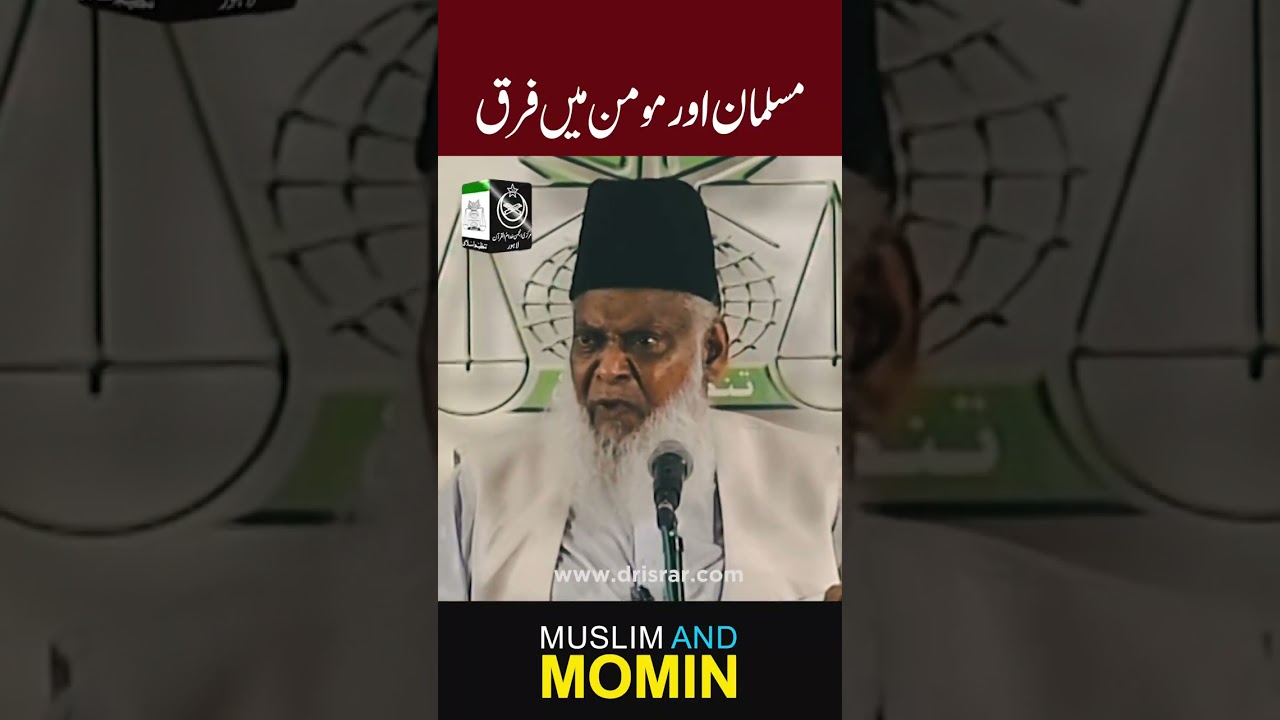
The lecture clarifies the distinction between being a Muslim—one who outwardly professes the faith—and a *mumin*—a true believer. It explains that merely claiming faith is insufficient; genuine belief requires complete trust in God and His Messenger, coupled with striving in His path with both wealth and life. The speaker references Surah Al-Hujurat, verse 14, highlighting that true faith enters the heart and manifests in dedicated action and sacrifice. A Muslim may adhere to the rituals, but a *mumin* embodies the complete essence of faith through unwavering dedication and continuous struggle for the sake of Allah.
75

This excerpt emphasizes the Quran as a profound blessing and healing from Allah. It highlights the Quran as a source of guidance, mercy, and a testament to Allah’s grace. The text stresses that true joy should stem from possessing this divine gift, as it surpasses all worldly possessions. It’s a reminder to cherish and internalize the Quran's message for lasting happiness and spiritual fulfillment.
50
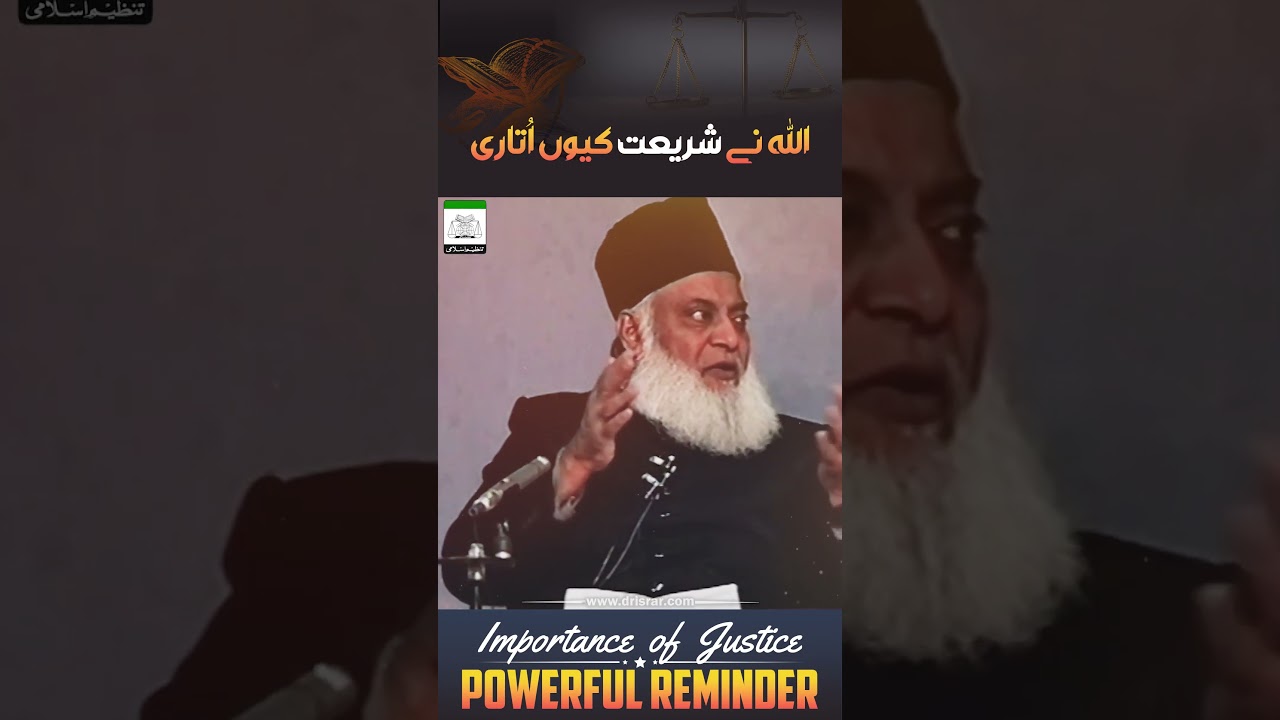
This lecture explores the fundamental importance of justice (Adl) in Islam, referencing Surah Aal-e-Imran and emphasizing the divine mandate for establishing equitable systems. It details how prophets were sent with clear teachings, scriptures, and a balance of rights and responsibilities—defining obligations for all levels of society, from individuals to employers and employees. The discussion highlights the consequences of neglecting justice and the impact of large-scale religious observances like Hajj on societal change. While rituals remain, the underlying spirit of striving for justice must be preserved. God sent messengers and revealed books so people could stand firm on justice.
43
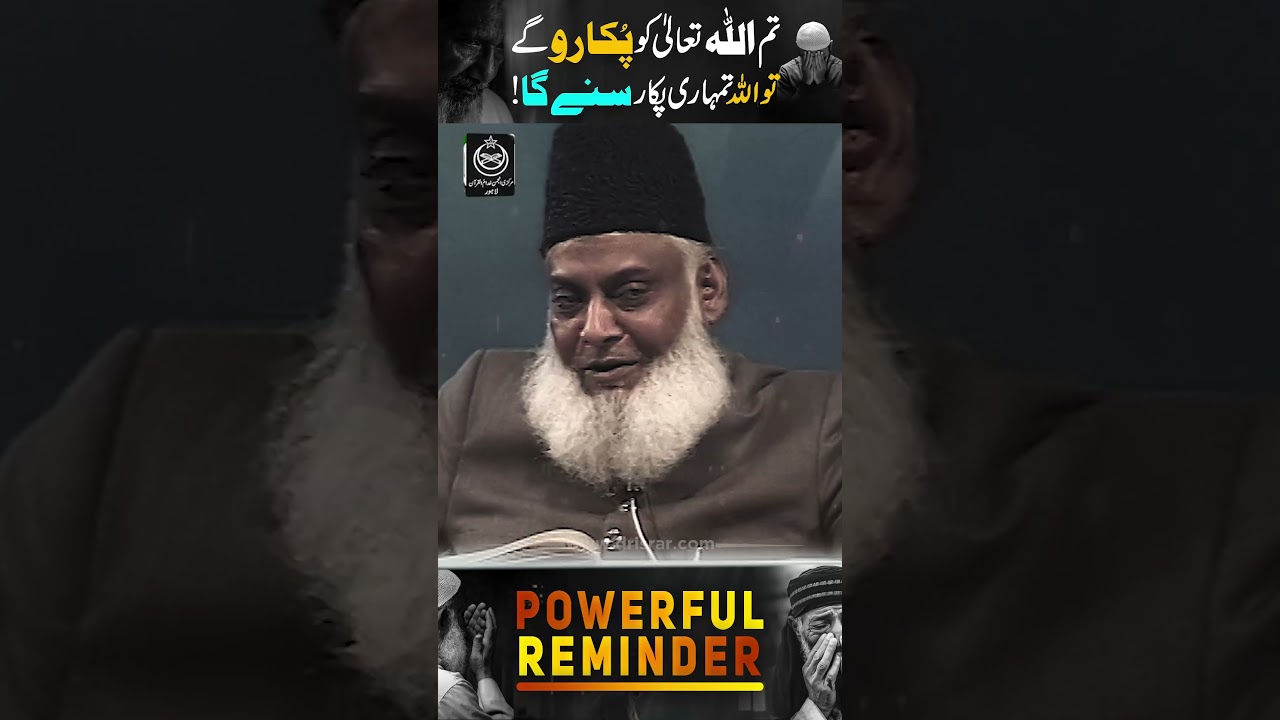
This lecture explores the barriers between humanity and its Creator, emphasizing a reciprocal relationship based on remembrance and gratitude. It asserts that God hears all calls, but responds through acceptance of supplication, contingent upon obedience. The lecture highlights a two-way covenant: remembrance begets remembrance, gratitude invites appreciation, and approaching God leads to divine response. Ultimately, repentance and turning towards God are met with His mercy and acceptance.
61

True success isn't found in wealth or power, as exemplified by figures like Qarun, Pharaoh, and Nimrod, who ultimately failed despite their riches and authority. Conversely, Abu Dharr Ghifari, despite his poverty, achieved genuine success. Allah elevates certain individuals to a status where even an unintentional oath is honored. This lecture highlights that real triumph comes from divine favor, not material possessions or worldly influence. The video emphasizes the importance of spiritual elevation and reliance on Allah for achieving lasting success and fulfillment.
57
