Korte broek
This lecture explores the profound connection between the Quran and spiritual well-being. It emphasizes that true guidance and divine mercy are attained not merely through ritualistic prayer, but through a heart cleansed of spiritual ailments and fully receptive to the Quran's message. The speaker highlights the Quran as an immense blessing and a source of joy, urging listeners to find celebration in its teachings rather than worldly possessions. The core message stresses that genuine happiness lies in recognizing and appreciating the Quran's unique value, surpassing all material wealth.

54
This lecture details the severity of sin in Islam, focusing on the disparity between the prohibition of pork and alcohol versus the prohibition of interest (riba). Dr. Israr Ahmad argues that the consequences of dealing with interest are far more devastating than those associated with consuming pork or alcohol. He asserts that the Quranic verses reveal a declaration of war against those who persist in dealing with interest, a level of severity not applied to the other two prohibitions. The lecture emphasizes that the gravity of the sin of riba is seventy times greater than that of pork or alcohol consumption.
53

This lecture emphasizes the importance of inviting people to the path of God with wisdom, good counsel, and respectful debate. It highlights that delivering the message of God is a duty, best fulfilled through gentle persuasion and eloquent communication. The speaker stresses that even in disagreement, one must maintain a dignified and courteous approach.
43
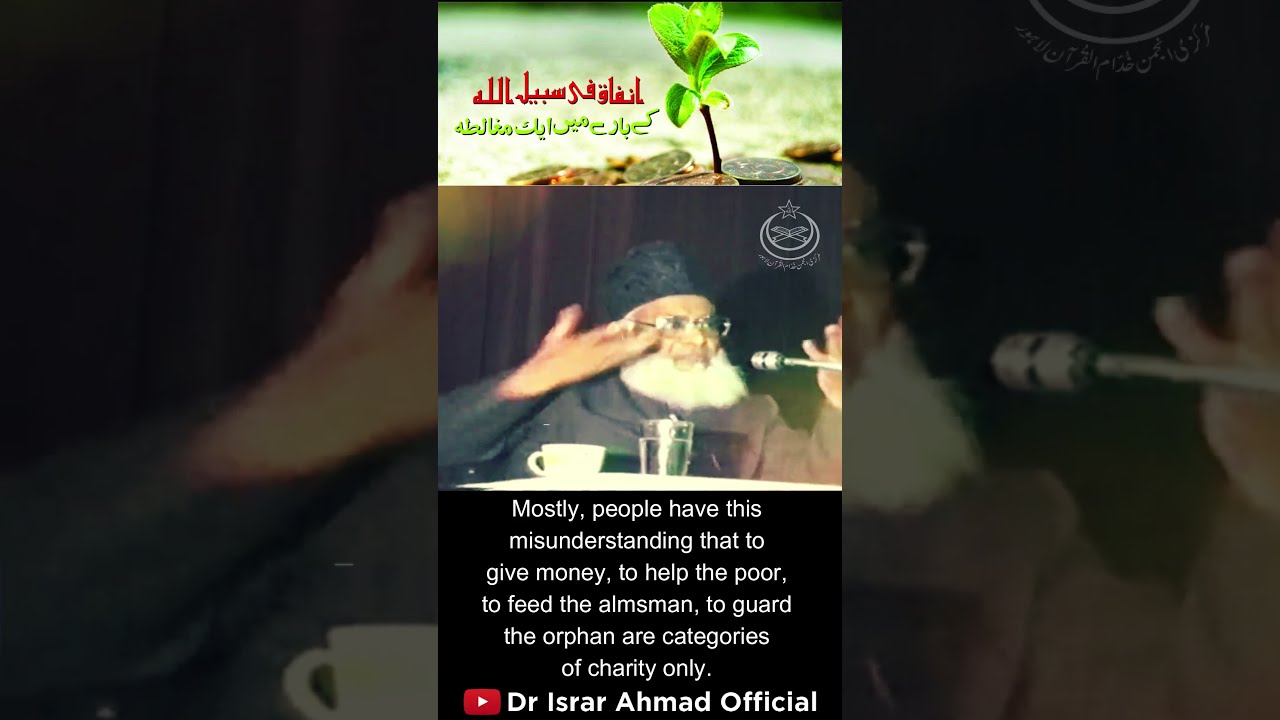
The term ‘Infaq’ in the Quran differs from general charity. It’s not limited to helping the poor, orphans, or the needy. Infaq specifically refers to spending in the way of Allah – for the propagation, elevation, and establishment of the religion. This spending, considered a loan to Allah, fuels the struggle for Islam's dominance. Supporting relatives is a personal obligation, while investing in the religion is a direct loan to Allah, a debt He Himself acknowledges. This concept distinguishes between familial support and investment in faith.
84
This lecture discusses the underlying unity of the African continent, despite its diverse cultures, languages, and physical appearances. The speaker highlights a shared spiritual resonance, symbolized by the continuous recitation of ‘Labbaik Allahumma Labbaik’ during pilgrimage, indicating a common faith and devotion. The continuous arrival of pilgrim groups exemplifies this widespread spiritual connection, creating a powerful, unifying presence across the land. The lecture emphasizes that this spiritual unity transcends geographical and cultural boundaries.
52
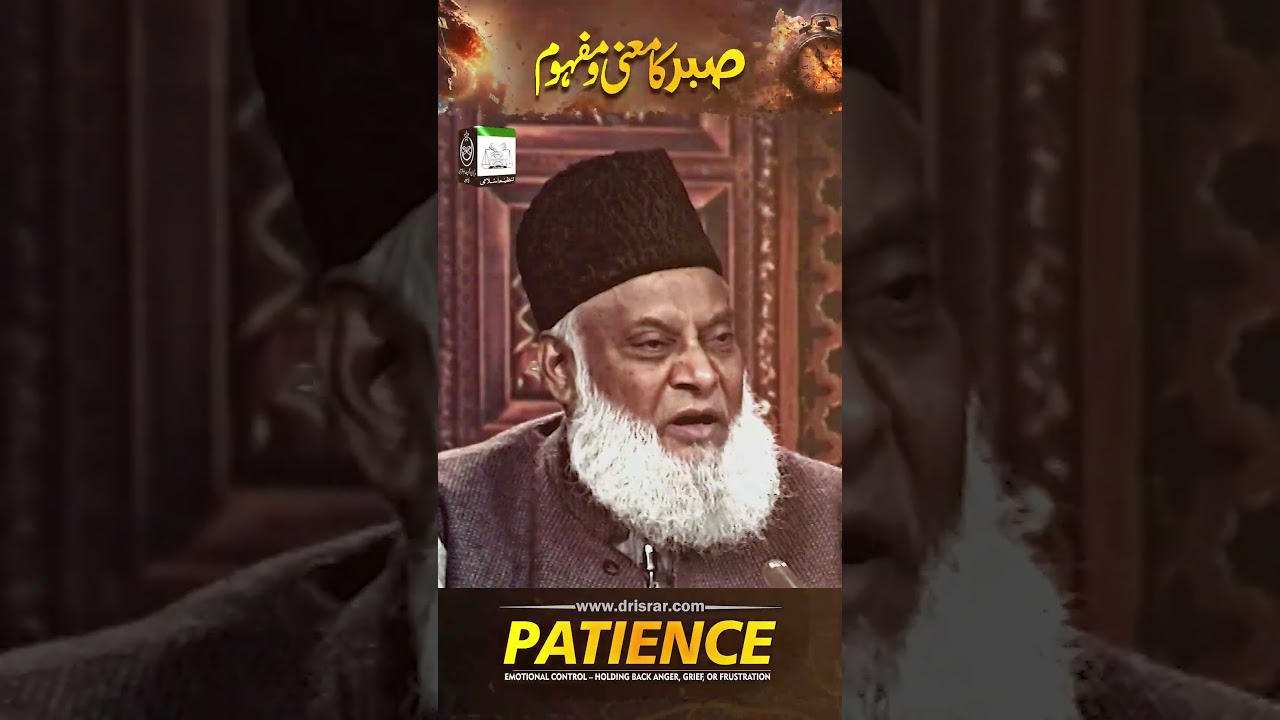
This lecture explores the etymological roots of the word 'Sabr' (patience) in Arabic and its connection to bitter substances historically used for medicinal purposes, specifically blood purification. The speaker details how the act of enduring bitterness—like consuming aloe vera or sour fruits—parallels the internal fortitude required to practice patience. The discussion extends to ancient practices of using aloe vera to preserve bodies, drawing a metaphorical link to its function in ‘cleansing’ and halting decay, mirroring the way patience preserves the soul. The core argument posits that the very essence of patience originates from the ability to withstand hardship and unpleasantness.
48
