شارٹس
The Quran is presented as the primary miracle of the Prophet Muhammad (peace be upon him). Its greatest miracle in the modern world is its demonstrated ability to instigate a monumental revolution in human history, establishing a just system. This entire process operates through the message of the Quran, emphasizing its role as the foundation of transformative change and a call to action through its teachings.

336
Taqwa, often translated as piety or God-consciousness, is fundamentally about safeguarding oneself from disobedience to God. It encompasses avoiding prohibited acts, adhering to divine commands, and shielding oneself from God’s wrath and the consequences of wrongdoing in this life and the hereafter. This involves a consistent, lifelong effort to protect oneself from anything that displeases God, fostering a constant awareness of divine judgment. It's a proactive approach to avoiding sin and seeking God's favor.
40
This lecture explains a crucial Islamic principle: the balance between reliance on God (Tawakkul) and utilizing practical means (Asbab) to achieve goals. The Prophet Muhammad (peace be upon him) rebuked a Bedouin for leaving his camel untethered, emphasizing that true faith requires both trust in God *and* responsible action. The speaker clarifies that simply relying on God without making an effort is incorrect, and neglecting to utilize available resources after making an effort is also a mistake. Results ultimately come from God, but effort is a prerequisite. It is crucial to strive, use resources, and *then* place trust in God for the outcome. True Tawakkul is not passivity, but a confident reliance on God *after* taking all necessary steps.
87

This lecture explores the concept of commitment and its manifestation in various agreements, from simple employer-employee contracts to the complex social contract of marriage. It emphasizes that upholding one's commitments isn't contingent on external oversight, but stems from internal integrity and adherence to the terms agreed upon. The speaker highlights the responsibilities within marriage – the husband’s provision of sustenance, shelter, and the wife’s corresponding duties – framing marriage as a solemn social agreement demanding mutual respect and fulfillment of obligations.
39
Human beings, like all animals, are driven by fundamental needs: sustenance and procreation. These base desires, originating from the *nafs* (ego/self), are inherently amoral, demanding satisfaction without regard for ethical considerations like *halal* (lawful) or *haram* (unlawful). The Quran emphasizes the need to control these primal urges. The human self is a source of both potential and temptation, requiring spiritual guidance and discipline to avoid succumbing to base instincts. This lecture explores the nature of these desires and the importance of self-control in Islam.
66
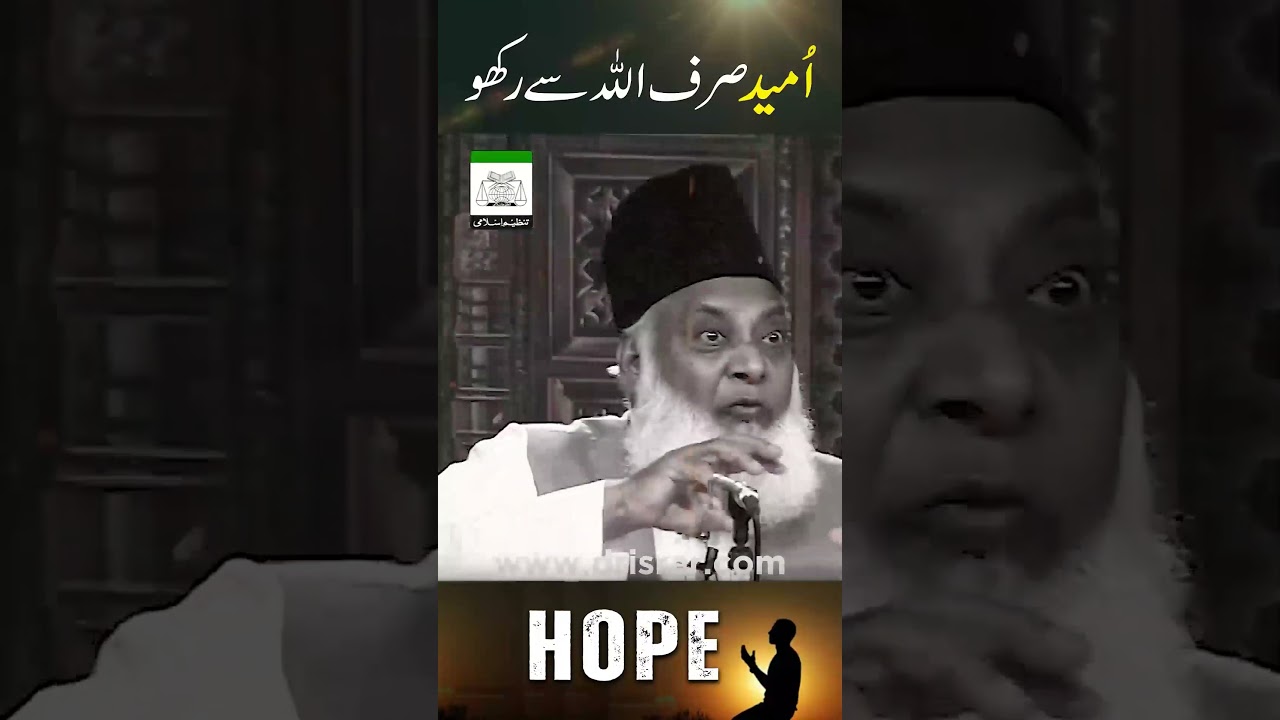
This lecture explores the connection between faith in God and the absence of fear and grief. It argues that true belief manifests as inner peace and confidence, even in the face of adversity. The speaker emphasizes that a troubled heart indicates a lack of complete trust in God’s sovereignty. Experiencing peace and freedom from anxiety are considered concrete proofs of genuine faith and a solidified connection with the Divine. The lecture highlights that reliance on God is the only path to overcoming these negative emotions and achieving true contentment.
57
