Shorts
The Quran is presented as the primary miracle of the Prophet Muhammad (peace be upon him). Its greatest miracle in the modern world is its demonstrated ability to instigate a monumental revolution in human history, establishing a just system. This entire process operates through the message of the Quran, emphasizing its role as the foundation of transformative change and a call to action through its teachings.

336
This lecture discusses the Islamic perspective on charitable giving and the rights of heirs. A companion of the Prophet Muhammad (peace be upon him) inquired about donating all his wealth for the sake of Allah. The Prophet advised against leaving heirs destitute, emphasizing their rightful share. The companion then proposed donating half, then a third, with the Prophet accepting the one-third contribution as appropriate. This highlights a balanced approach to charity, respecting both the act of giving and the welfare of one’s family.
63
The origins of the name Ramadan are debated. One view connects it to the intense heat that historically impacted the Arabian Peninsula, causing hardship and natural purification. This led to a belief that Ramadan offered a time of spiritual cleansing. Another perspective links the name to one of the names of God, signifying that Ramadan is God's month. This is supported by a saying of the Prophet Muhammad, who identified Sha’ban as his month and Ramadan as the month of God. The purpose of fasting during Ramadan is fundamentally to purify the impurities accumulated within the human body.
60
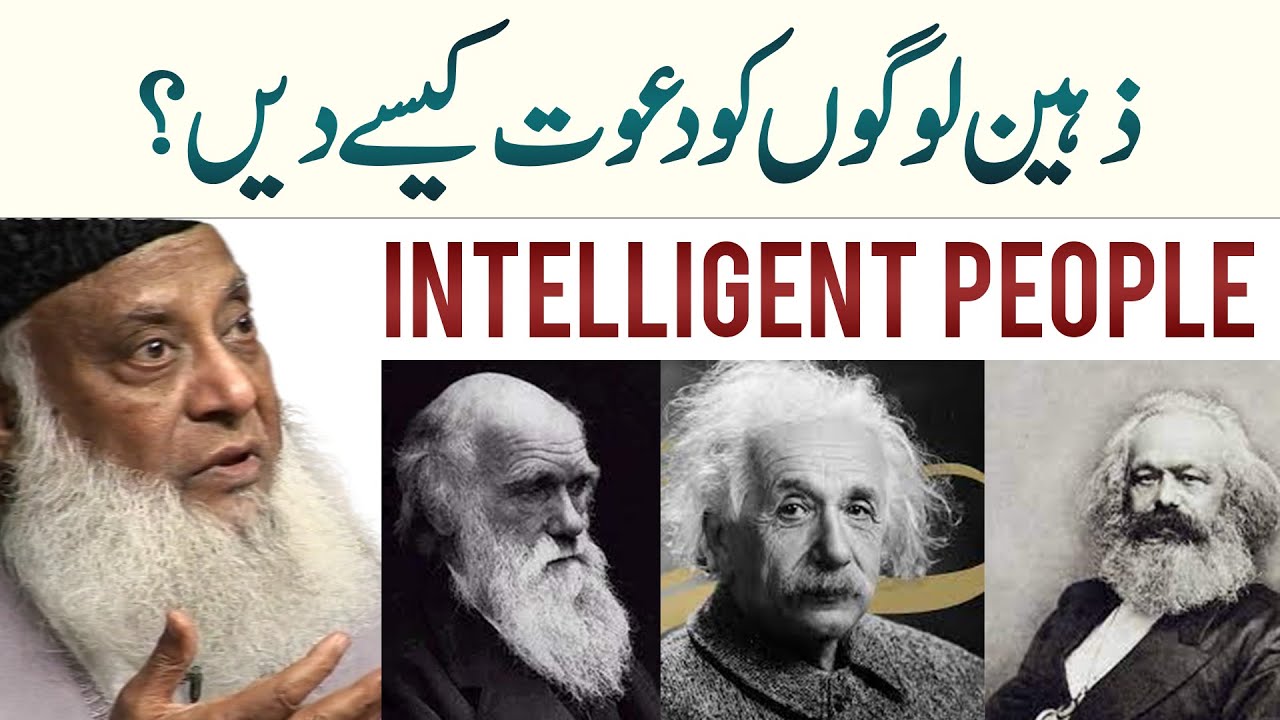
The lecture addresses the necessity of clearing the mind of conflicting ideologies, specifically Darwinian evolution and other Western philosophies, before accepting Islamic teachings. The speaker emphasizes that preconceived notions and intellectual impurities act as barriers to true understanding of religious concepts like the story of Adam and Iblis. He critiques the influence of thinkers such as Darwin, Freud, Marx, Adler, Bertrand Russell, and Sartre on contemporary thought, asserting that these philosophies obstruct a clear reception of Islamic principles. The speaker highlights the importance of intellectual purification to facilitate genuine faith and understanding.
45
Human life is inherently filled with hardship, regardless of socioeconomic status. Those who have left their homes face particular struggles, but even the wealthy experience a different kind of toil – mental anguish. While physical labor may be less prevalent among the affluent, they often rely on tranquilizers and sleep aids to cope with stress. In contrast, a laborer, after eight hours of physical work, achieves natural, restorative sleep. True peace of mind and contentment are elusive, manifesting as either physical or mental strain for everyone.
81

This lecture details the rulings surrounding I'tikaf during the last ten days of Ramadan. It clarifies that I'tikaf begins on the 21st night after the 20th night has passed. The lecture emphasizes that physical intimacy is prohibited for those observing I'tikaf within the mosque, although wives may visit for essential consultations or meetings. This session explains the wisdom behind these rulings and the permissible interactions during I'tikaf.
61
