短裤
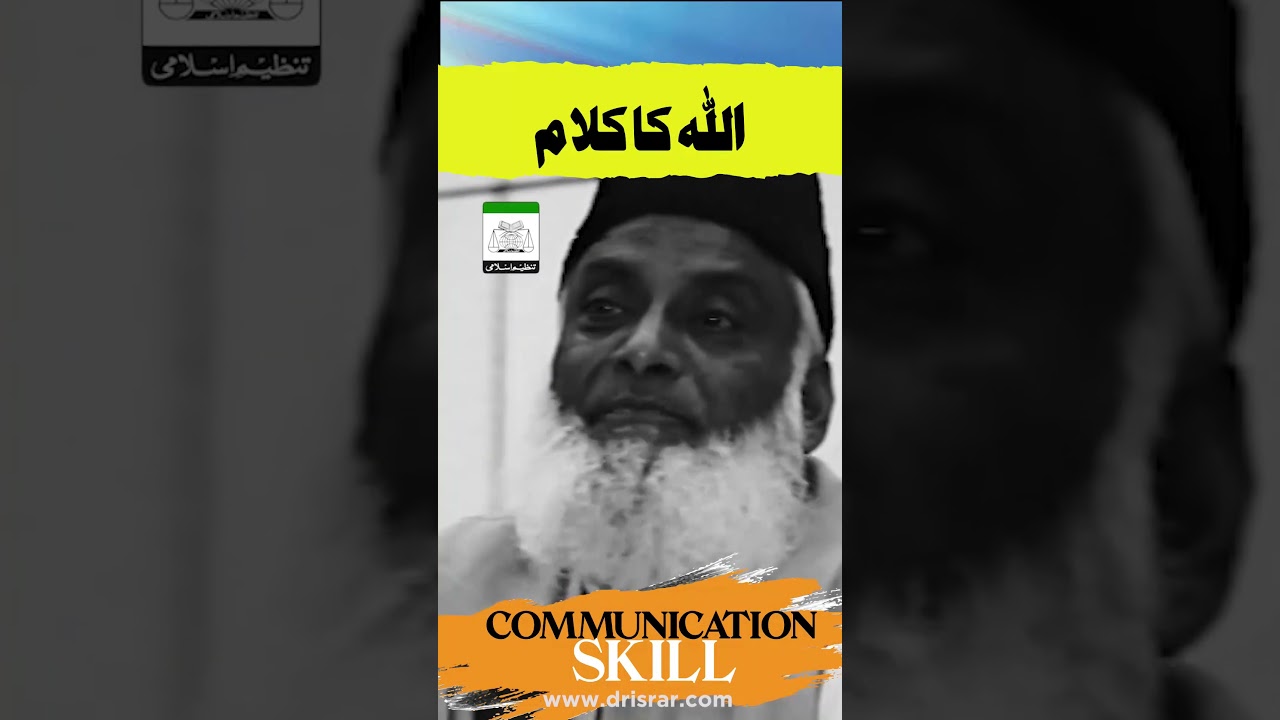
The Quran’s true greatness lies in its being the expression of the Divine Speaker, revealing the entirety of God's attributes. Just as one can discern a person's intellect, understanding, and character from their speech, the Quran manifests all of God’s qualities. The text’s eloquence embodies complete divine attributes, making it a reflection of the Divine Being.

64

The core of a person’s character lies in their priorities: worldly possessions or the afterlife. True faith demands prioritizing the hereafter and seeking Allah’s pleasure above all else. Sufficient provision, even if modest, is superior to excessive wealth that leads to spiritual negligence. Self-sufficiency and reliance on Allah are preferable to a life of abundance and detachment from the Divine. A life of modest means, free from dependence on others, is more virtuous than a life of luxury that breeds spiritual heedlessness. Prioritizing contentment over excess fosters a stronger connection with Allah.
52

The Prophet Muhammad (peace be upon him) once asked his companions about bankruptcy. They defined it as a lack of wealth. The Prophet corrected them, stating the true bankrupt in his nation will be the one who comes with a large number of prayers, fasts, and pilgrimages, but also with the burdens of having wronged others – having insulted someone, unjustly taken their wealth, or falsely accused them. On the Day of Judgment, these wronged individuals will present their claims, depleting the bankrupt’s good deeds. If the deeds are insufficient, their sins will be transferred to them, leading to their destruction in Hell. This is the true meaning of bankruptcy – a spiritual and moral deficiency.
50

This lecture clarifies the conditions for sincere repentance (tawbah) and its implications regarding past sins. It explains that genuine repentance, marked by remorse and a commitment to abstain from sin, leads to Allah's forgiveness. Regarding missed prayers, the speaker suggests making up for them as if they were voluntary prayers (nawafil). For rights violated against others, repentance requires seeking forgiveness from the wronged, compensation, or facing consequences in the afterlife, with potential recompense through good deeds or bearing the burden of sins. Complete and valid repentance serves as expiation for all sins.
46

This supplication, recited by Prophet Moses (peace be upon him), seeks divine assistance in fulfilling the challenging task of delivering a message. It requests an expansion of the heart, facilitation of affairs, and removal of speech impediments. The prayer emphasizes the importance of clear communication to ensure the message is understood by all. This dua is essential for anyone involved in da’wah or conveying a message, as it addresses the core need for effective and understandable articulation.
42

This lecture emphasizes that true faith necessitates action, striving, and sacrifice. It refutes the misconception that mere belief alone guarantees salvation or progress. The speaker argues that a life devoid of effort, dedication, and selfless contribution is ultimately futile. Genuine faith, coupled with righteous deeds, mutual encouragement towards truth, and patience in adversity, are essential for a meaningful existence and achieving success in this life and the hereafter. It stresses the imperative of continuous effort and commitment as fundamental requirements for spiritual and worldly advancement, rejecting the notion of effortless attainment.
64
