Şort

This excerpt details the catastrophic events preceding and occurring on the Day of Judgement. It describes the dimming of vision, the extinguishing of the moon, the merging of the sun and moon, and the resulting panic and desperation of humanity. People will search for any refuge, but find none. The verse emphasizes ultimate accountability before God, where every deed—past and future—will be revealed. It highlights that on that day, humanity will be made to realize the consequences of their actions and be held accountable for everything they have done.

94

Effective training requires both encouragement and warning. Sometimes, firm discipline is necessary to correct behavior, while other times, positive reinforcement builds confidence and unlocks potential. The Quran utilizes both approaches – *tabshir* (giving glad tidings) and *anzar* (warning). Surah Al-Asr specifically highlights the consequences awaiting those who do not fulfill four conditions: faith, righteous deeds, advocating truth, and encouraging one another to uphold it. This lecture explores the balance between these methods and their importance in personal and societal development.
87

This lecture explores the unparalleled glory and status of the Prophet Muhammad (peace be upon him). It emphasizes that after Allah, the Prophet is the most significant figure in existence. The speaker highlights the Prophet’s luminous face as the source of all light and acknowledges the human mind’s inability to fully comprehend the Prophet’s greatness. The lecture ultimately asserts that seeking refuge in the Prophet’s presence is the path to salvation, recognizing his unmatched spiritual stature.
86
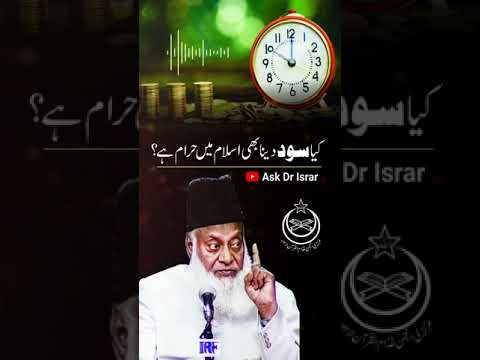
Interest (riba) and illicit relationships are major sins in Islam, both considered haram (forbidden). This lecture details the severity of riba, framing it as a declaration of war by God. The speaker emphasizes that even the smallest involvement in riba is comparable to a grave sin. The discussion highlights the comprehensive nature of Islamic law, which demands adherence to the Quran and the teachings of the Prophet Muhammad.
79

The speaker addresses a concern raised by his wife regarding his beard. He clarifies that growing a beard is a commandment of the Prophet Muhammad, following the practice of all prophets. He emphasizes the Prophet’s directive to trim the mustache and grow the beard, urging adherence to this sunnah with the expectation that acceptance will follow gradually. The discussion highlights the religious significance of beard growth as an act of obedience and a means of aligning oneself with the traditions of the prophets.
75

The Quran is structured into groups of verses – Makki (Meccan) and Madni (Medinan). Each group centers around a core theme, with the Makki verses presenting one aspect of that theme and the Madni verses revealing another. This creates a layered understanding of each topic within the Quran. The structure implies seven primary divisions within the Quran, alternating between Makki and Madni verses to comprehensively explore each subject. This layered approach ensures complete coverage of each theme.
59
