Quần short
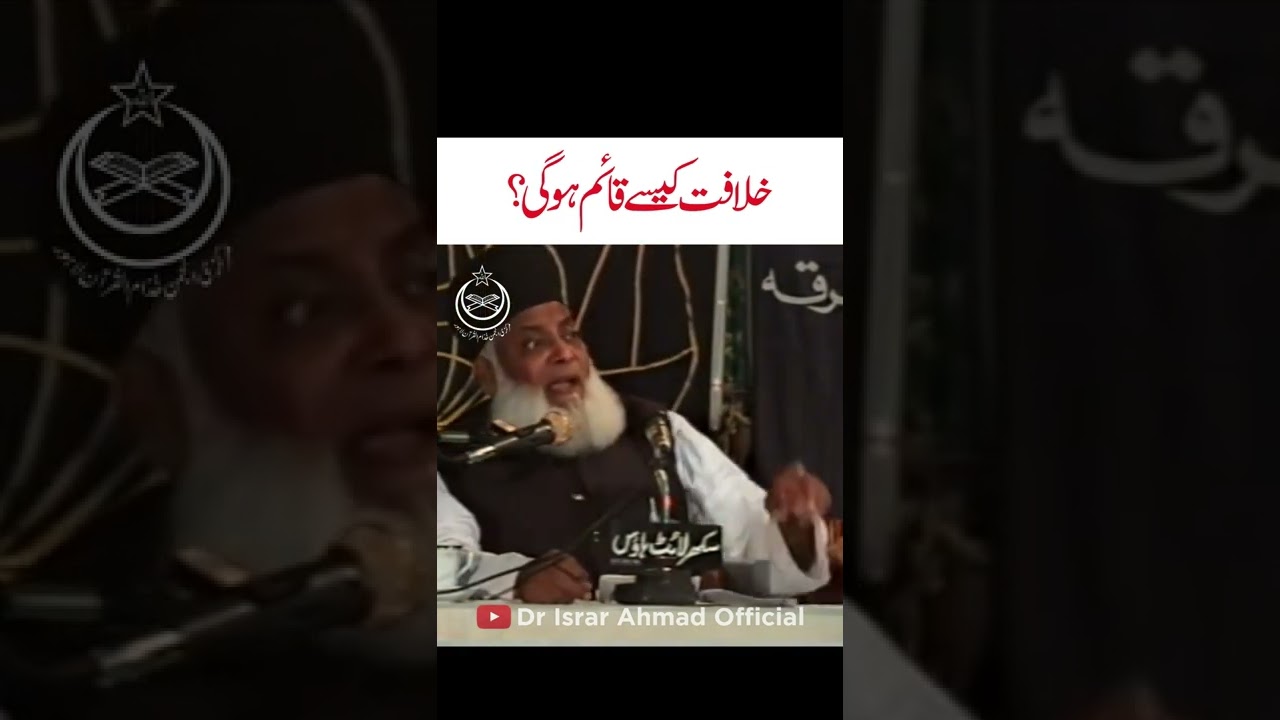
Dr. Israr Ahmad discusses the future establishment of a global caliphate rooted in the prophetic tradition. He references prophecies indicating a time when the message of Islam will permeate every corner of the earth, reaching all of humanity. He describes a vision where no home or dwelling will remain untouched by the teachings of Islam, and that his community will govern the entirety of the earth, having witnessed its eastern and western reaches in a divine revelation.

93
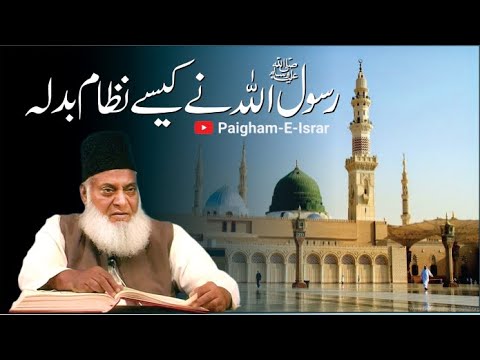
Dr. Israr Ahmad discusses the true nature of revolution as exemplified by the life of the Prophet Muhammad (peace be upon him). He emphasizes that genuine change doesn’t come through mere promises or superficial reforms, but through a comprehensive process of spiritual purification (tazkiya), organization, and unwavering commitment to establishing justice. He explains that this involves a disciplined, morally upright society prepared to challenge oppressive systems and establish a just order, guided by divine principles. He highlights the historical attempts at reform and the necessity of a strong, dedicated leadership committed to implementing Islamic principles in all aspects of life. The lecture also touches on the difference between implementing Sharia at a micro and macro level, and the historical precedent of Sharia being implemented for over a thousand years.
70
This lecture emphasizes the significance of fulfilling commitments within societal and Islamic frameworks. Agreements, whether formal contracts like employment or social contracts like marriage, establish mutual obligations and trust. The speaker highlights that upholding one's promise is a fundamental aspect of faith, as individuals will be held accountable by God for their commitments. Every agreement is witnessed by God, and failure to fulfill a promise is considered a serious matter. The lecture underscores that maintaining integrity and fulfilling promises is essential for a righteous life.
45
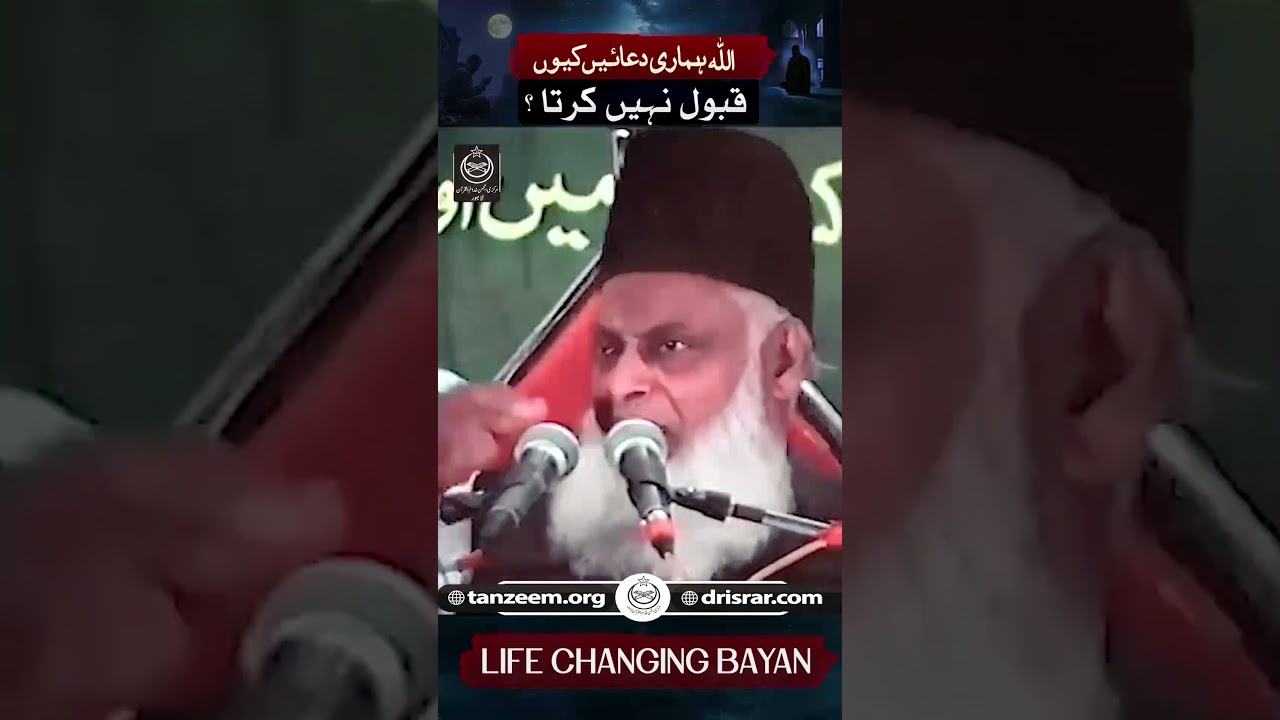
This lecture addresses why prayers often go unanswered. It asserts that simply performing religious rituals like Hajj and reciting the Quran are insufficient. True connection with God requires practical implementation of divine teachings in one’s life and community. The speaker emphasizes establishing faith within oneself, in one’s home, and then uniting with others in a covenant to uphold those principles. This involves a commitment to living by the entirety of revealed scripture, encompassing both Quran and Hadith, and acting upon its guidance.
65
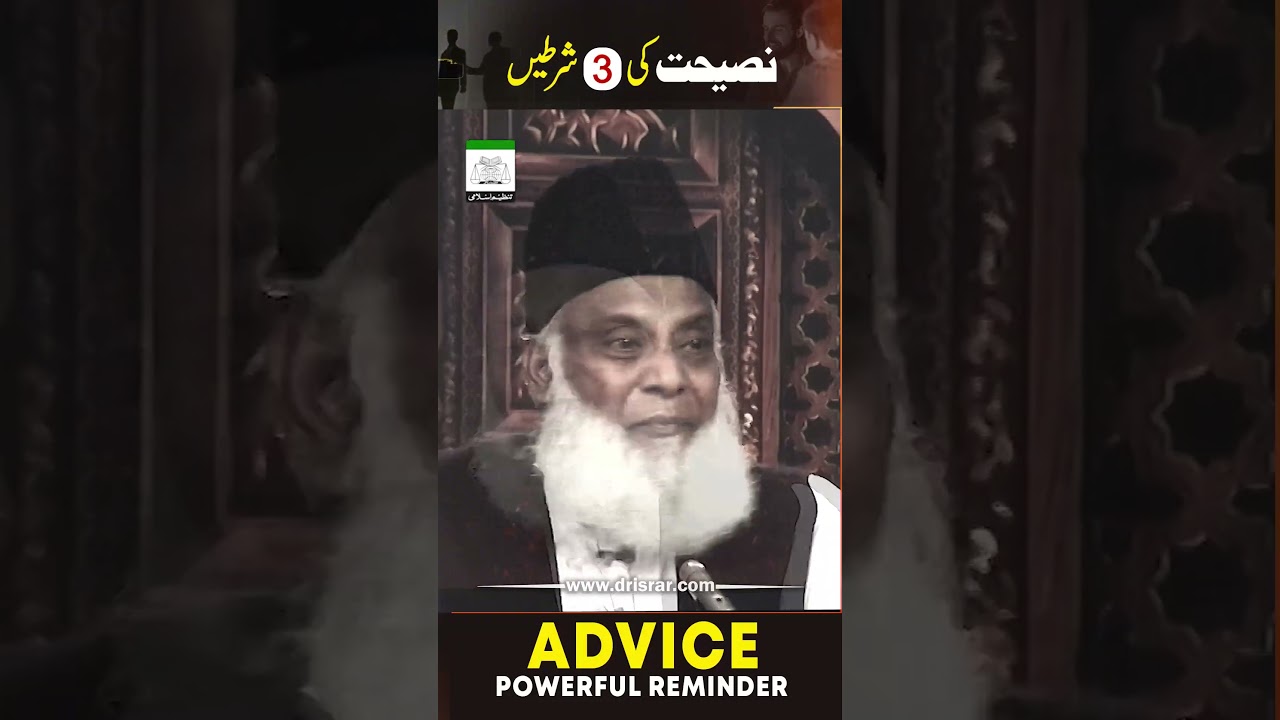
True well-wishing stems from sincerity and a genuine desire for another’s betterment. It requires approaching someone lost in ignorance or error with compassion, not arrogance or intellectual superiority. Effective guidance involves embodying the principles you preach; hypocrisy renders your message ineffective. Genuine concern means prioritizing the other person’s well-being and acting with consistency between words and deeds. Those who command good but fail to practice it themselves contradict their own message and discredit their efforts. True guidance requires internalizing the principles you advocate.
66

This lecture emphasizes that the Quran is a manifestation of Allah’s grace and mercy, offering guidance in this world and reward in the hereafter. It surpasses all worldly possessions – wealth, property, business ventures, and luxurious homes – in value. The Quran provides true joy and is a source of ultimate contentment, offering a path to spiritual fulfillment far beyond material gain. It is a complete guide for life, providing both worldly direction and eternal reward.
58
