Pantalones cortos

Dr. Israr Ahmad warns of a time when the Muslim community will be left with only the name of Islam, and the Quran will be reduced to its calligraphy and letters. He emphasizes a divine guarantee for the preservation of the Uthmani script. He predicts a proliferation of mosques that are devoid of guidance, and describes scholars who will be the worst of people, fostering discord and conflict. These scholars will be the source and destination of fitna (discord), promoting sectarianism and exacerbating differences among Muslims. He observes that a vast majority of contemporary religious leaders exhibit these characteristics.

98

The word ‘Sawm’ (fasting) fundamentally means to abstain or stop. This encompasses ceasing from eating and drinking, halting speech, or even pausing physical activity. The Quranic verse from Surah Maryam references a vow of abstinence. Historically, ‘Sawm’ in pre-Islamic Arabian society denoted refraining from desires, including sexual activity. It also described a horse standing perfectly still. The term was adopted by the Quran to define the act of fasting as a form of worship, signifying a complete cessation of bodily needs and worldly distractions. It’s a comprehensive cessation, not merely from food and drink, but from all impulsive desires and worldly engagements.
86

This lecture explores the boundless power and knowledge of Allah. It emphasizes humanity's limited capacity to fully comprehend divine attributes. The speaker highlights the vastness of creation, from the Earth to the galaxies, and how our understanding falls short. The discussion centers on recognizing Allah’s absolute power while acknowledging the limits of human perception and intellect. It asserts that while we cannot measure Allah’s attributes, we can perceive His signs and become grateful worshippers. The lecture underscores the importance of acknowledging Allah’s greatness and submitting to His will.
63
The lecture discusses the difference between reciting or listening to the Quran merely for information versus acting upon its teachings. The companions of the Prophet Muhammad (peace be upon him) immediately assessed their ability to fulfill the commands of each verse revealed. When the verse commanding adherence to *taqwa* (God-consciousness) was revealed, they questioned how anyone could fully fulfill God’s right to it. A subsequent verse clarified that individuals should strive to fulfill God’s commands to the best of their ability, recognizing the limitations of human capacity. The core message emphasizes sincere intention and striving within one's means.
65
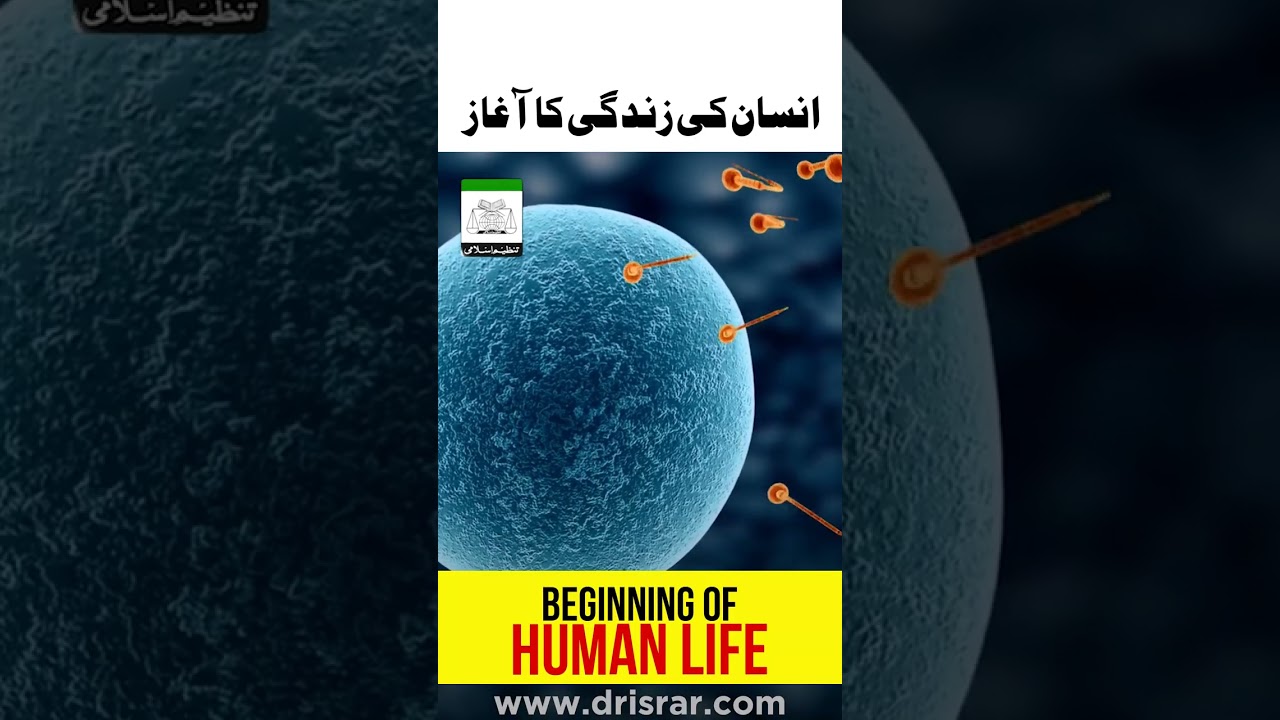
Modern microscopic observation confirms the Quranic description of human origins as detailed in Surah Qiyamah. The verse referencing the initial state as ‘nutfa’ (a drop) aligns with scientific understanding of fertilization. Microscopic analysis reveals the active, living spermatozoa originating from the male contribution, demonstrating life’s commencement at conception. The video elucidates that life does not begin 120 days after fertilization, but from the very beginning, supporting the Quranic account.
68
This lecture discusses the historical and economic benefits of sacrificial meat (Qurbani) in a specific region. It highlights how, traditionally, communities utilized every part of the animal, ensuring no waste. The speaker details how this practice provided a livelihood for local herders and a year-round meat supply for residents. The lecture contrasts this sustainable system with modern practices and argues against claims of wastefulness, emphasizing the economic support Qurbani provided to the community. It describes a time when communities thrived due to the efficient use of resources from the sacrificial animals, providing economic stability for local residents and herders. The lecture points out that Qurbani was not merely a religious ritual but a crucial element of the local economy.
102
