निकर

Dr. Israr Ahmad warns of a time when the Muslim community will be left with only the name of Islam, and the Quran will be reduced to its calligraphy and letters. He emphasizes a divine guarantee for the preservation of the Uthmani script. He predicts a proliferation of mosques that are devoid of guidance, and describes scholars who will be the worst of people, fostering discord and conflict. These scholars will be the source and destination of fitna (discord), promoting sectarianism and exacerbating differences among Muslims. He observes that a vast majority of contemporary religious leaders exhibit these characteristics.

98
This lecture explores the concept that those who oppose divine guidance attempt to extinguish the light of God through baseless claims and actions. The speaker clarifies that this attempt is futile, as God will always perfect and sustain His light. The analogy of blowing out a lamp is used to illustrate the misguided effort to negate truth with falsehood, a concept beautifully expressed in a poetic verse by Maulana Zafar Ali Khan. The message emphasizes the invincibility of divine truth and the ultimate triumph of faith over opposition.
58
The Prophet Muhammad (peace be upon him) stated that honoring someone who promotes innovation (bid'ah) is equivalent to undermining the foundations of Islam. He further warned that supporting a corrupt individual strengthens their wrongdoing and invites divine displeasure, even causing the divine throne to tremble. These teachings emphasize the importance of adhering to authentic Islamic principles and rejecting deviations.
60
This lecture emphasizes the importance of respectful communication among believers. It advises maintaining polite language even when responding to rudeness, avoiding mirroring negative behaviors, and prioritizing peaceful interactions. The speaker highlights Satan's intent to sow discord and animosity, urging listeners to counter this by fostering kindness and understanding. Maintaining a gentle demeanor, even in the face of provocation, is presented as a crucial aspect of Islamic ethics and a safeguard against conflict. This promotes building harmonious relationships and strengthening the Muslim community.
53
The lecture details the immense hardship faced by the Prophet Muhammad (peace be upon him) during the Year of Taif, considered the greatest personal trial. It then discusses the Battle of Uhud as the greatest collective trial for the companions. Following these trials, enhanced protection was granted to the Prophet. The year also marked the beginning of conversions to Islam, with six accepting faith during Hajj, twelve the following year, and seventy-two thereafter. This led to the Pledge of Aqabah and the opening of the path for migration, ultimately leading to triumph and success.
61
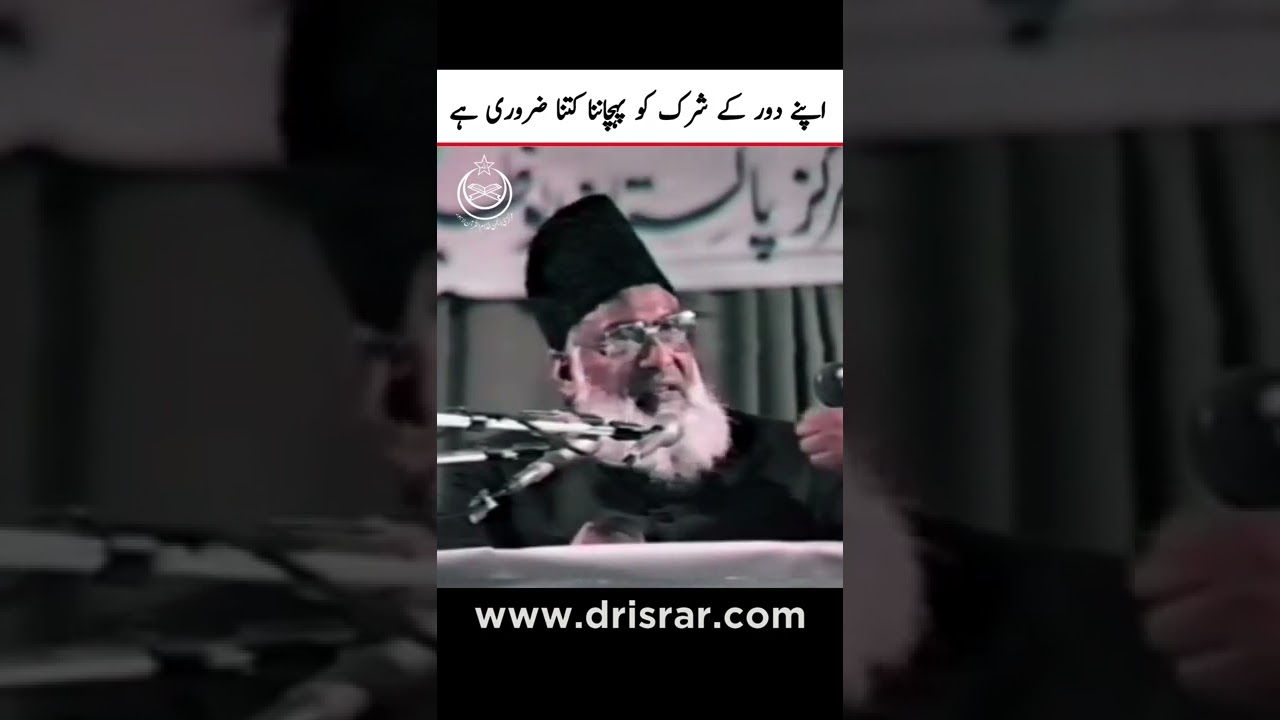
Shirk, or associating partners with God, manifests differently across eras. The forms of shirk prevalent centuries ago are not necessarily identical to those of today. New forms of shirk emerge, requiring continuous discernment and intellectual insight. Without this insight, individuals may mistakenly label practices as shirk based on historical rulings, while failing to recognize contemporary expressions of shirk. The ability to identify and reject the shirk of one’s own time is crucial, as demonstrated by scholars like Ibn Taymiyyah, but recognizing *current* forms of shirk demands ongoing vigilance.
60
