Shorts
Human beings possess an inherent understanding of good and evil, stemming from a divinely inspired moral compass embedded within their nature. This internal faculty guides individuals towards righteousness and away from wrongdoing. The core principles of ethical conduct – fulfilling obligations, avoiding prohibited acts like usury and intoxicants, and embracing virtues like prayer and fasting – are foundational to this innate understanding. This inherent moral sense is not learned but rather a natural attribute of the human soul, a divine endowment that distinguishes humanity.

53
This lecture addresses the grave sin of infanticide, particularly in times of poverty. It emphasizes that sustenance comes from God, not self-reliance, and that He provides for both children and parents. The speaker refutes the justification of killing children due to financial hardship, highlighting God’s provision and wisdom in distributing resources. It's a strong condemnation of this practice, rooted in Islamic teachings, and a reassurance of divine support even in difficult circumstances.
76
The Quraysh delegation arrived to Abu Talib during his final moments, issuing an ultimatum: control Muhammad or face open conflict. They didn’t seek wealth, power, or possessions, but demanded Muhammad cease his proclamation of One God. Abu Jahl immediately recognized the core issue – this message threatened the foundations of their entire belief system and the idols they worshipped. This bayān details the pivotal confrontation and the essence of the demand made against the Prophet Muhammad.
74
Extremism in charitable giving is undesirable. Intense emotion can lead individuals to impulsively donate all their wealth, potentially harming themselves. The Quran and the teachings of the Prophet emphasize the necessity of balance in spending. The verse from Surah Al-Furqan highlights that true believers spend neither stingily nor wastefully, but maintain a moderate course between these extremes. This approach ensures both the well-being of the giver and the effective distribution of resources to those in need. It’s crucial to consider consequences and adopt a reasoned approach to charity.
60
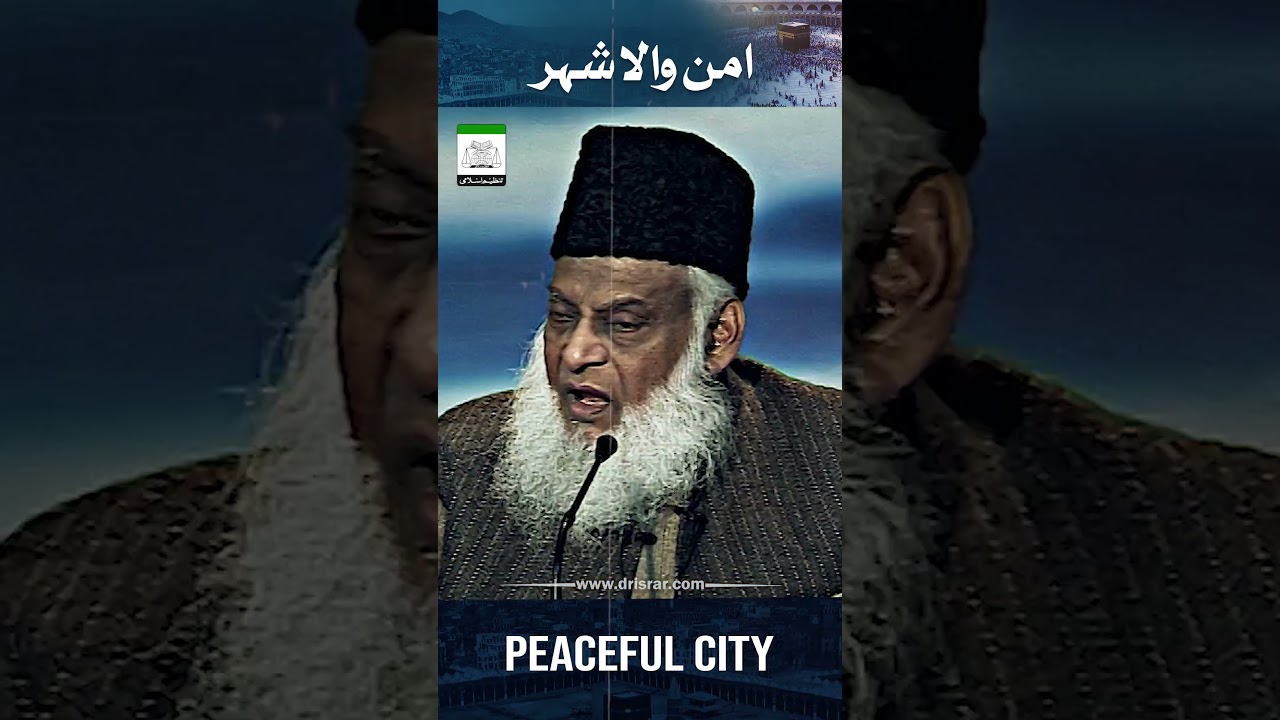
This lecture discusses the unique sanctity of Mecca, highlighting its historical role as a place of peace amidst a turbulent Arab society. Despite centuries of tribal conflict, feuds, and cycles of revenge killings, Mecca’s sacred precinct remained a sanctuary. Even those seeking retribution for deeply personal grievances—like the murder of a father—would refrain from violence within its boundaries. This demonstrates Allah’s provision of security and peace to the city, earning it the title 'City of Peace.' This inherent protection continues to be a defining characteristic of Mecca today.
43

This lecture emphasizes that the Quran is a gift from Allah, representing His grace and mercy. It is a source of guidance in this world and a promise of mercy in the hereafter. The speaker highlights its immeasurable value, surpassing all worldly possessions like wealth, property, and material comforts. The Quran provides true joy and fulfillment, exceeding the satisfaction derived from accumulating possessions or building luxurious homes. It is a treasure that should be cherished and celebrated.
70
