Korte broek
Dr. Israr Ahmad explains that memorizing the Quran is one task, and *retaining* it is another. Forgetting memorized verses is a serious offense. Consistent recitation and revision are crucial for long-term retention. Many who claim to have memorized the entire Quran struggle to recall it throughout the year, requiring frequent re-memorization. He highlights that consistent practice is more valuable than merely claiming complete memorization, even if one is unable to perform regular prayers.

61
This lecture clarifies the Islamic rulings regarding beards and mustaches. It states that growing a beard is a Sunnah, and interfering with its natural growth is discouraged. Trimming for balance is permissible if growth is uneven. Shaving the beard completely or excessively is considered a greater sin than not growing one at all. The lecture emphasizes that adhering to these practices is considered obligatory by some scholars, as it aligns with the teachings and practices of the Prophet Muhammad (peace be upon him).
80
This lecture emphasizes that genuine access to the essence of the Quran is only possible through self-purification. The speaker highlights a lament about humanity’s disregard for this immense blessing – neglecting to read, understand, implement, or make the Quran a guiding principle in life. Instead, many actively reject it, shaping their own unfortunate destiny through denial. The core message is a call to prioritize internal purification to unlock the true meaning and benefits of divine revelation.
620
This lecture emphasizes that assisting others in their needs is a direct path to receiving divine help. True service isn't about expecting reward from people, but establishing a sincere connection with God. When a person dedicates themselves to God’s purpose, divine assistance is guaranteed. This assistance manifests through fulfilling essential needs – faith, certainty, and trust in God. A genuine connection with God is fostered by inner reflection and the unwavering belief that God will never abandon those who turn to Him sincerely.
63
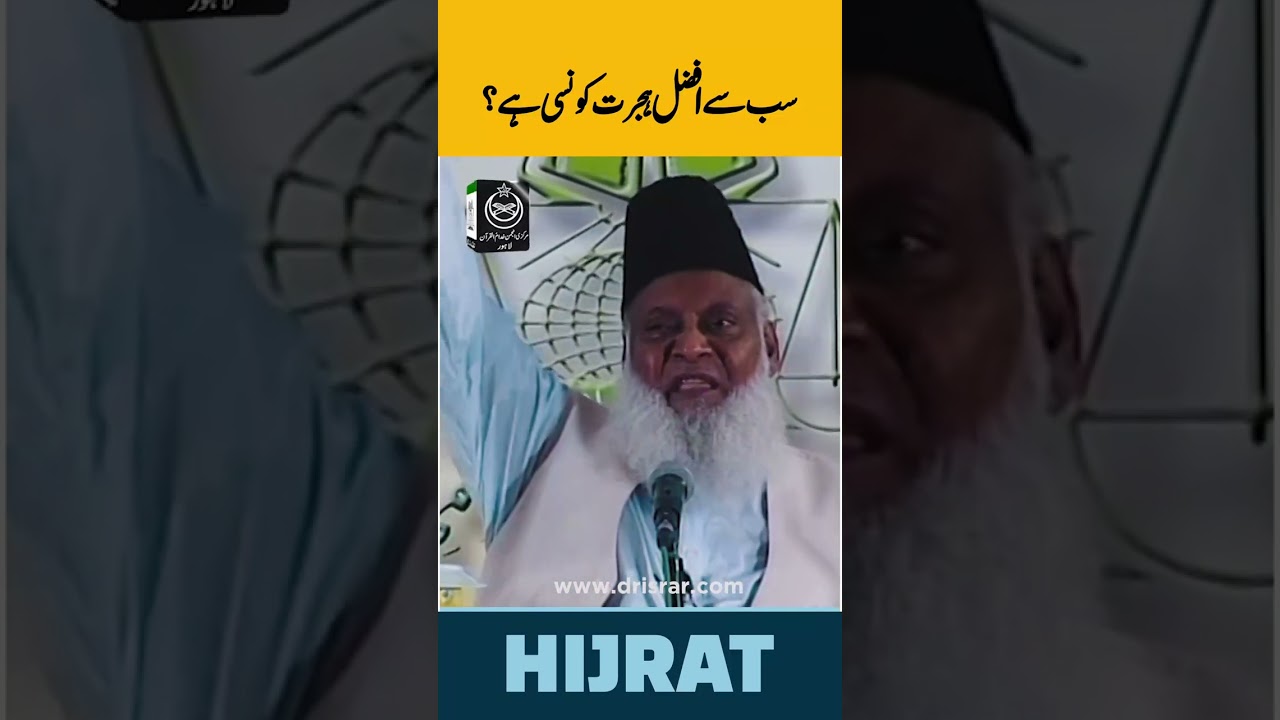
The lecture defines migration (Hajrat) not merely as physical relocation, but as abandoning anything displeasing to God. It outlines three levels: renouncing interest-based transactions, establishing modesty and privacy within the home, and ultimately, sacrificing all worldly possessions – even family – to uphold and defend the faith when facing persecution and conflict. This final level represents the highest form of migration, undertaken when actively striving to establish God’s law.
65
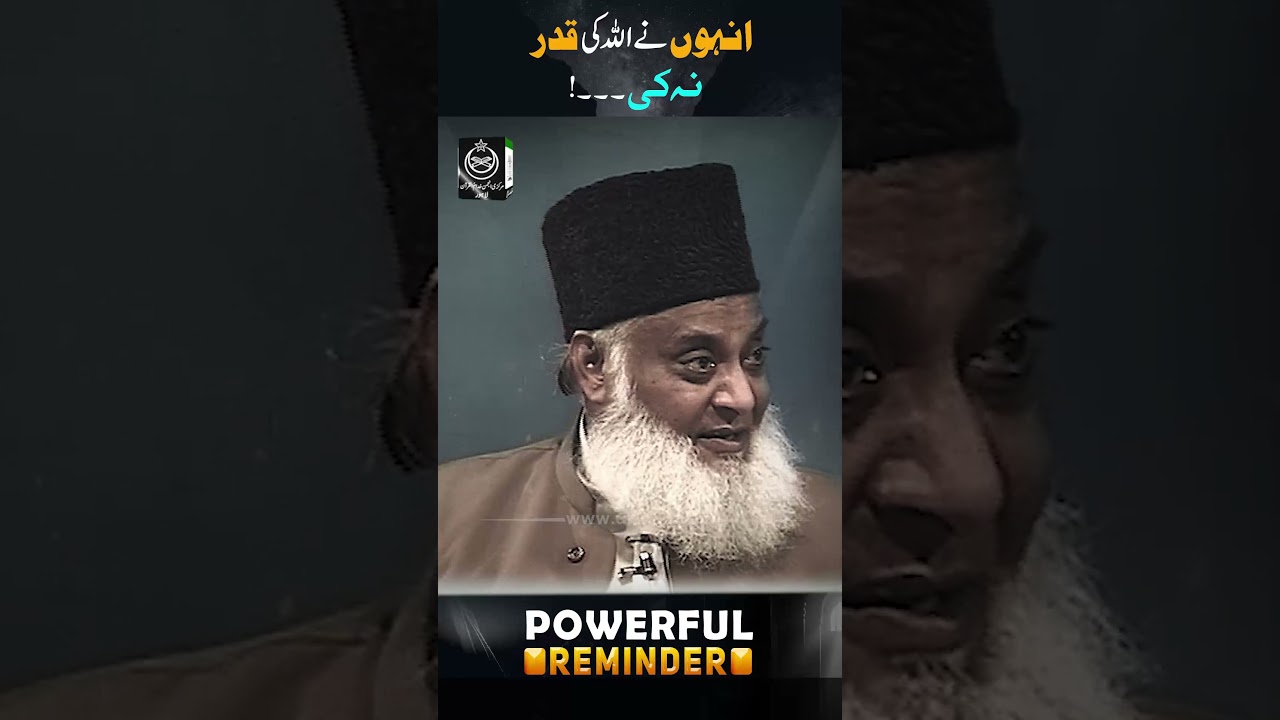
This lecture explores the profound inability of humanity to truly comprehend and appreciate the majesty of Allah. It asserts that genuine recognition of God is the foundation of all true connection and devotion. Those who fail to grasp this divine essence will inevitably seek solace in lesser things, becoming attached to worldly illusions and neglecting the ultimate source of beauty and truth. The discussion highlights the consequences of spiritual blindness, where individuals remain unaware of the manifestations of God’s glory, grandeur, and perfection, and instead wander aimlessly through life, chasing ephemeral pleasures and superficial connections. True love and devotion arise from a deep understanding of God's attributes.
64
