Pantalones cortos
This lecture discusses the inevitability of trials and tribulations, referencing a prophetic warning about a significant upcoming trial. Hazrat Ali inquired about the means of escape during this trial, prioritizing practical solutions over seeking to understand the ‘why’ or ‘how’ of its occurrence. The Prophet Muhammad (peace be upon him) responded that the Quran is the path to safety and deliverance during times of hardship. The focus is on proactive preparation and seeking refuge in divine guidance rather than solely analyzing the nature of the trial itself.

57
The lecture clarifies the distinction between a Nabi (prophet) and a Rasul (messenger), emphasizing that all Rasul are Nabi, but not all Nabi are Rasul. It focuses on the exemplary character of prophets, using the examples of Yusuf, Yaqub, and Ayyub to illustrate virtues like patience and righteousness. The talk highlights that prophetic figures embody moral excellence and serve as models for ethical conduct. The core message is that studying the lives of prophets reveals lessons in good character and spiritual strength.
63
The Quran places significant emphasis on the performance of Salah (prayer) and Zakat (charity), repeatedly outlining their importance. While instructions regarding fasting and Hajj are present, the Quran dedicates numerous verses to Salah and Zakat. The complete rulings on fasting are concentrated within six verses of Surah Baqarah, while mentions of fasting elsewhere primarily relate to expiation. Fasting, as an independent pillar of Islam, lacks the same consistent, detailed emphasis as Salah and Zakat throughout the Quran.
67
The Prophet Muhammad’s life exemplified a perfect balance between fulfilling obligations to people and devotion to God. He showed immense love and attention to his wives, ensuring their emotional well-being and rights were always met. Simultaneously, at the call to prayer, he would immediately and completely devote himself to worship, appearing as if unaware of his surroundings. This demonstrates a harmonious integration of worldly responsibilities and spiritual pursuits, highlighting the importance of both aspects of a balanced life. His behavior showed complete dedication to both rights of God and rights of people, a perfect example for all believers.
65

This lecture details three elements that lead to salvation and three that lead to destruction. Salvation is achieved through fear of God in both private and public, speaking the truth regardless of anger or pleasure, and fulfilling one’s obligations. Destruction stems from following one's desires, excessive love of wealth, and self-admiration. Self-regard is presented as the most dangerous of these destructive traits, hindering spiritual progress and distancing one from divine guidance.
74
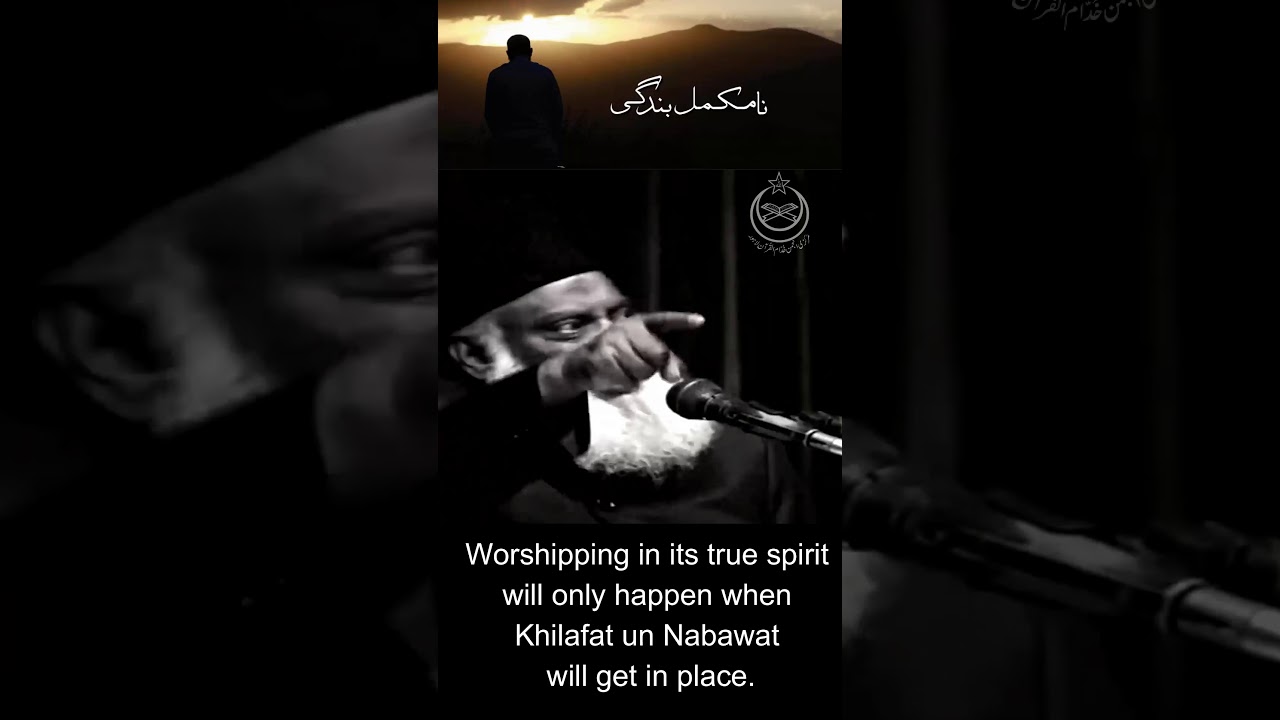
This lecture emphasizes that complete devotion to God requires the establishment of a caliphal system mirroring the Prophetic methodology. Without it, adherence to divine law is incomplete. The speaker highlights the necessity of implementing all of God’s commands, including legal penalties, to achieve true worship. Current selective obedience, mixing divine and man-made laws, constitutes *shirk* (associating partners with God). Complete worship and obedience will only be realized with the restoration of a rightly guided caliphate, ensuring exclusive devotion to God.
185
