Celana pendek
This lecture discusses the inevitability of trials and tribulations, referencing a prophetic warning about a significant upcoming trial. Hazrat Ali inquired about the means of escape during this trial, prioritizing practical solutions over seeking to understand the ‘why’ or ‘how’ of its occurrence. The Prophet Muhammad (peace be upon him) responded that the Quran is the path to safety and deliverance during times of hardship. The focus is on proactive preparation and seeking refuge in divine guidance rather than solely analyzing the nature of the trial itself.

57
The presence of photographs within a home prevents angels from entering. This impacts the spiritual well-being of all inhabitants, hindering their worship. While angels of mercy refrain from entering homes displaying images, recording angels remain present. The prohibition stems from a divine disapproval of pictorial representations, serving as an expression of displeasure. The issue is one of religious preference, not a strict legal matter. Displaying pictures is discouraged, but not considered a fatal flaw in faith.
86
This excerpt emphasizes the importance of patience (sabr) and prayer (namaz) in facing life’s hardships. It instructs believers to seek help through these means, assuring them that God is with those who persevere. The message specifically addresses the Prophet, instructing him to deliver glad tidings to the patient—those who, when afflicted with adversity, respond by acknowledging their origin and ultimate return to God. It highlights a complete reliance on God during times of difficulty and emphasizes acceptance of divine decree.
69
This lecture addresses the challenges of raising children in a materialistic world. It clarifies that not all spouses and children are supportive, and some may lead one astray. The core message emphasizes that true success lies in nurturing children with Islamic values, providing them with a good education through lawful means, and avoiding compromise on principles for their sake. It warns against prioritizing children’s worldly desires over one’s own spiritual well-being and highlights that sacrificing integrity for their happiness is detrimental. The speaker stresses that the greatest misfortune is to ruin one’s afterlife while trying to build a good life for one's children.
104

This lecture explores the Prophet Muhammad’s (peace be upon him) acknowledgement of uncertainty regarding the timing of divine victory. The Quranic verses cited reveal that even the Prophet did not know whether the promised events were imminent or distant. This highlights a crucial understanding: knowledge of the unseen rests solely with God. The lecture emphasizes that such knowledge is not granted to even the most revered messengers, and that uncertainty about the future is a natural human condition. The verses also suggest that trials and tribulations may be part of the divine plan, serving as both tests and opportunities for growth. The core message is acceptance of divine will and a focus on present action rather than speculation about the future.
45
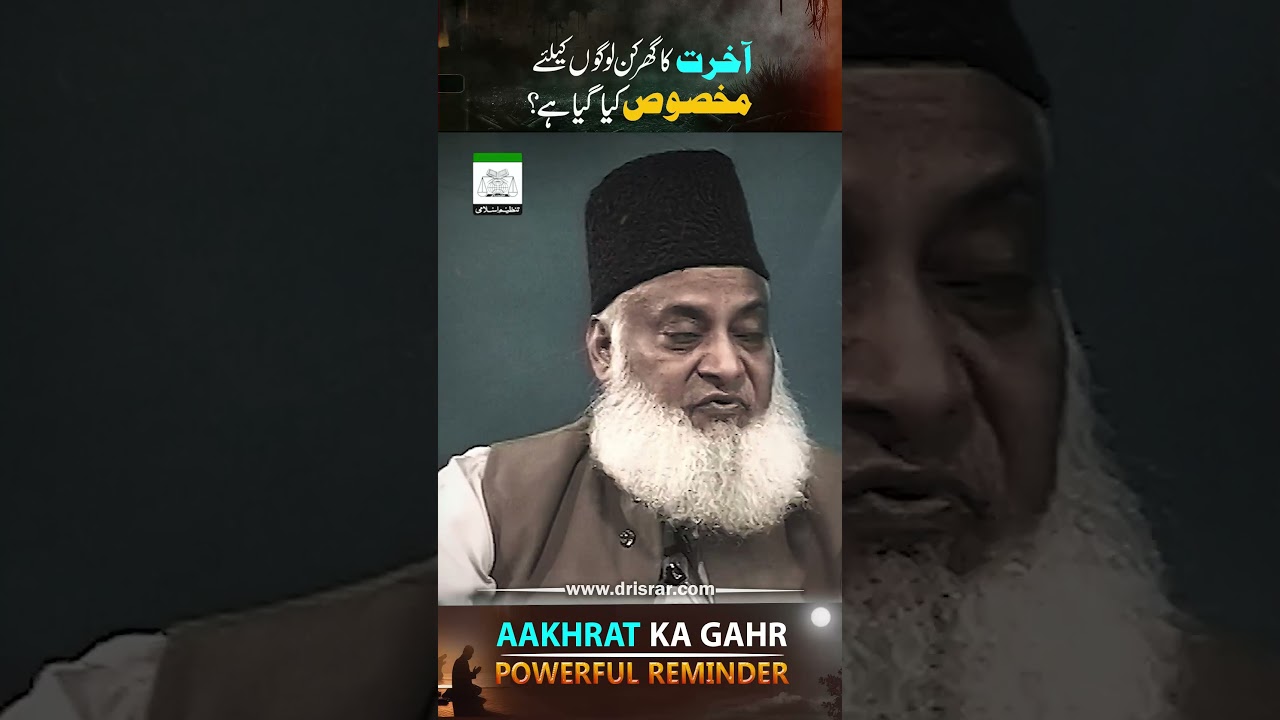
This lecture clarifies that the home of the hereafter is reserved for those who abstain from seeking power, dominance, or causing corruption on Earth. It emphasizes that this reward is specifically for the righteous, those who prioritize piety and fear of God. The ultimate outcome and blessings of the afterlife are exclusively for the God-conscious, who will experience lasting peace and fulfillment through divine grace. The lecture highlights that true success lies not in worldly achievements but in cultivating inner righteousness and striving for God's pleasure.
66
