Shorts
This lecture discusses the foundational principles of Pakistan’s political system, highlighting its historical roots in British parliamentary democracy. It emphasizes the concept of a shared national identity encompassing both Muslims and non-Muslims, established during the creation of Pakistan. The speaker points out that despite establishing Pakistan with a different vision, the country largely retained the British parliamentary system. The lecture examines the perception that this system was considered divinely ordained, leaving little room for alternative models and solidifying its place as the established political norm.

72
This lecture clarifies the position of a prophet (Nabi) in Islam. It distinguishes a prophet from other pious individuals by highlighting the unique role of divine revelation (wahy). A prophet's assignment isn't to enforce belief through threats, but to convey the message due to an inherent natural compulsion. The lecture draws a parallel to a civil servant passing an exam and awaiting appointment, explaining that authority and responsibility come with official designation, similar to how a prophet’s role is defined by divine appointment. The core message is that a prophet is primarily a messenger of God, and his guidance is based on conveying the message, not coercion.
48
This lecture explores the dual nature of *dawat* (invitation) and *tabligh* (propagation). It clarifies that both involve conveying a message and guiding someone toward a particular path. *Dawat* focuses on reaching out and delivering the message, while *tabligh* emphasizes bringing someone along that path, accepting the invitation. The lecture highlights that these are not separate actions, but two sides of the same effort—communicating a message and encouraging acceptance. The speaker emphasizes the importance of conveying the message and guiding others towards righteousness.
53
This lecture details the fundamental tenets of faith in Islam. It covers belief in Allah, the prophets, the final prophet Muhammad (peace be upon him), revealed scriptures including the Quran, the Day of Judgment, accountability, life after death, Paradise, and Hell. The discussion highlights the extensive treatment of these topics within the Quran, particularly in its earlier Meccan verses.
62
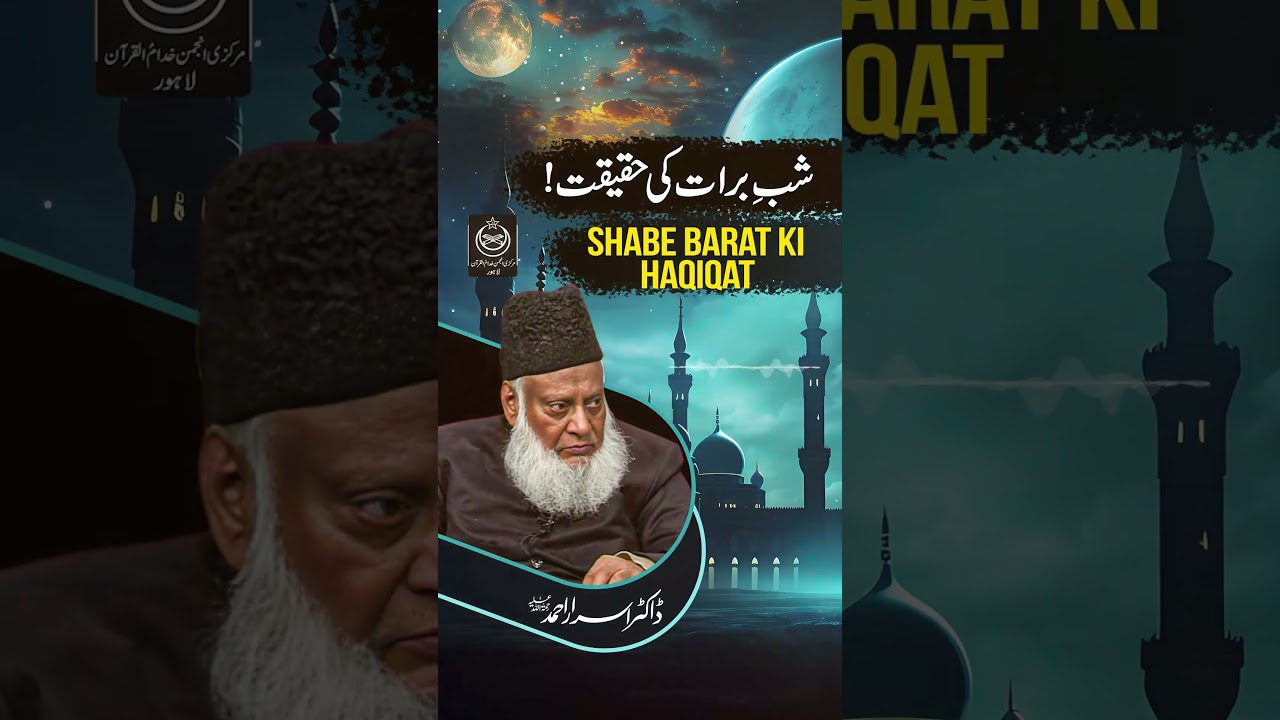
This lecture clarifies the significance of Shab-e-Barat based on authentic hadith. It explains that the Prophet Muhammad (peace be upon him) would visit the Baqi graveyard to seek forgiveness for the deceased. The speaker emphasizes that while night-long worship is virtuous, celebrating with fireworks and imitating Diwali practices are not part of Islamic tradition. Fasting on the 15th of Sha'ban is also discussed, linking it to the Prophet’s regular practice of fasting on the 13th, 14th, and 15th of each lunar month. The core message is to focus on sincere worship, seeking forgiveness, and remembering the deceased.
77
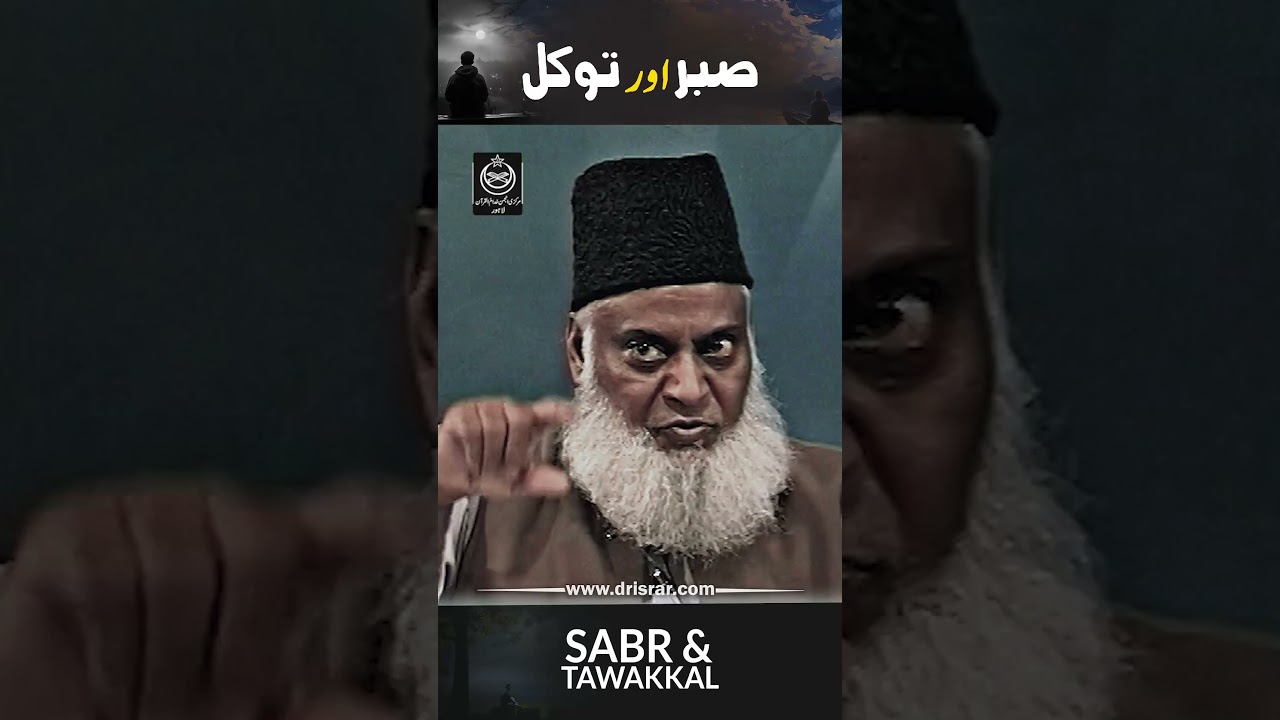
This lecture emphasizes the twin virtues of patience (sabr) and reliance on God (tawakkul) as fundamental principles for navigating life’s challenges. It stresses complete surrender to divine will, rejecting self-reliance on personal abilities, intelligence, or qualifications. True strength lies in enduring hardship with patience and placing unwavering trust in God’s plan. The core message advocates for abandoning dependence on one’s own efforts and instead, cultivating a complete and absolute trust in Allah for all outcomes.
71
