Shorts

This lecture emphasizes the core concept of *jihad* as an internal struggle against one's own base desires and ego. True *jihad* is presented not merely as external warfare, but as a relentless effort to control the self and purify the heart. The speaker highlights that conquering one’s internal enemies is a prerequisite for engaging in righteous external struggles. This internal battle against the *nafs*—the ego—is the foundation of spiritual growth and achieving closeness to God. The ultimate goal is self-discipline and the eradication of negative inclinations.

488
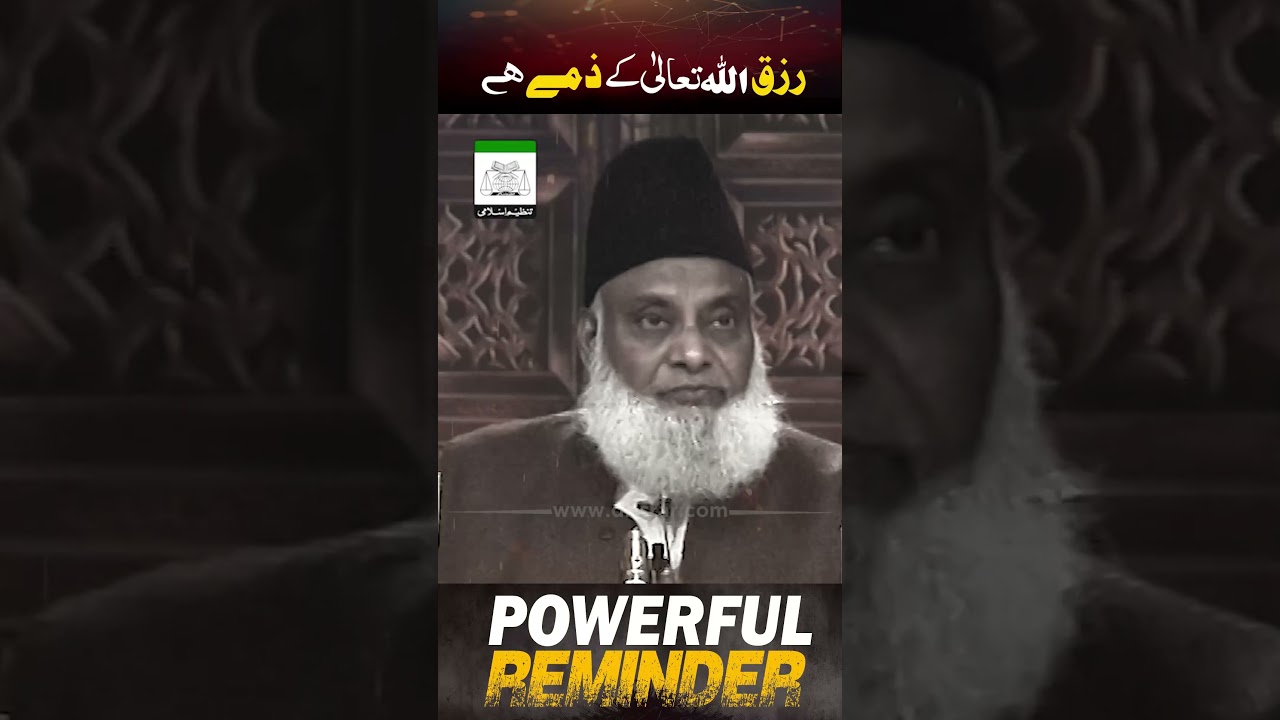
This lecture addresses the grave sin of infanticide, particularly in times of poverty. It emphasizes that sustenance comes from God, not self-reliance, and that He provides for both children and parents. The speaker refutes the justification of killing children due to financial hardship, highlighting God’s provision and wisdom in distributing resources. It's a strong condemnation of this practice, rooted in Islamic teachings, and a reassurance of divine support even in difficult circumstances.
69
The true appreciation of the Quran’s majesty rests solely with Allah and the Prophet Muhammad (peace be upon him). Worldly assessments, even by kings and gem appraisers, only perceive a superficial aspect or historical facts. Genuine understanding of the Quran’s greatness is attainable only through divine revelation or the Prophet’s teachings.
61

This lecture clarifies the Islamic obligation of Hajj for those with the means to perform it. It emphasizes that Hajj is a right of Allah upon those who are physically and financially able, and delaying it after fulfilling the necessary conditions constitutes a grave sin. The discussion frames Hajj not merely as a religious act, but as a debt owed to Allah, requiring immediate fulfillment once capacity exists. The lecture underscores the importance of providing for dependents during the period of pilgrimage, highlighting the complete preparation needed for this sacred journey.
67
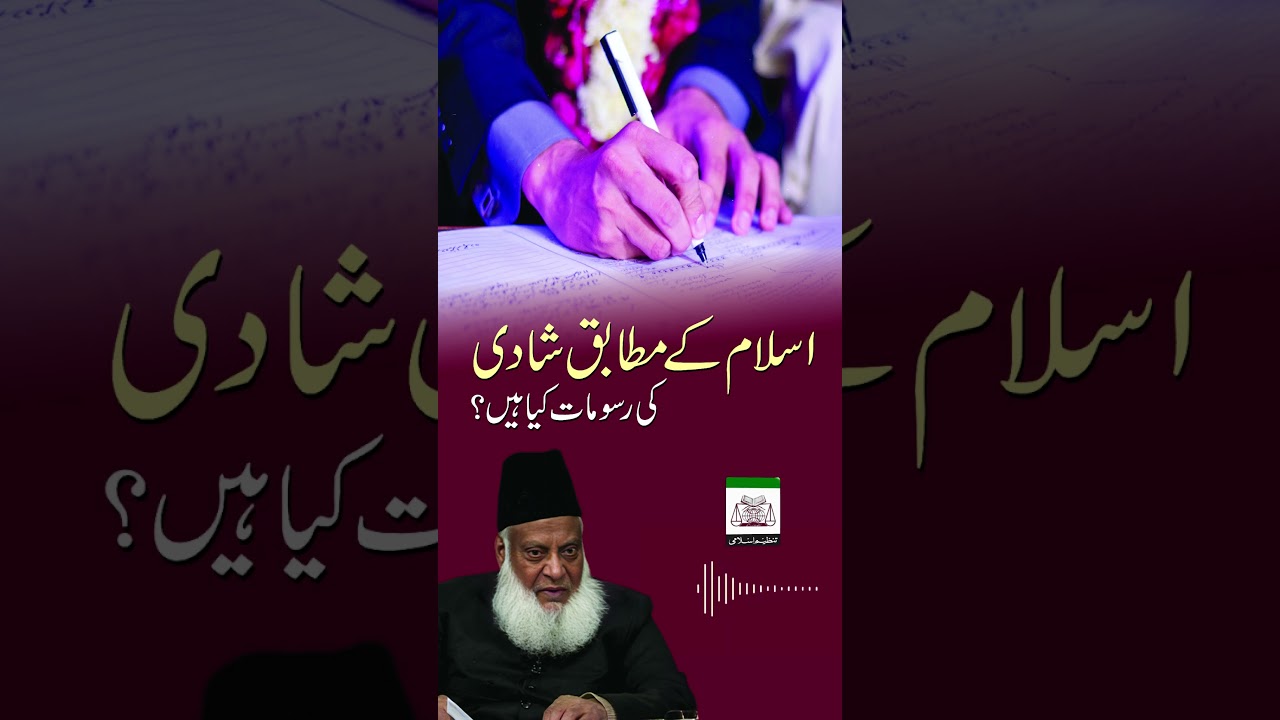
This lecture clarifies Islamic perspectives on marriage, contrasting them with prevalent Hindu customs. Islam encourages marriage ceremonies to be held in mosques, with the groom’s family hosting the celebratory feast. The bride’s family is not expected to host a separate event. Furthermore, Islam does not recognize the concept of dowry, as daughters are considered equal inheritors alongside sons, receiving their share of the family estate upon division of assets. This ensures financial security for the daughter without the need for a dowry.
66

This lecture discusses the inevitable trials and tribulations faced by believers. It explains that hardship and adversity are not punishments, but rather tests of faith designed to distinguish those genuinely committed to their beliefs from those who are not. True believers willingly sacrifice their lives and possessions for the promise of Paradise. These trials—fear, hunger, loss of wealth, and life—are the price of admission to eternal reward. Those who persevere through these difficulties demonstrate their sincerity and earn their place in Paradise. The lecture emphasizes that genuine faith requires a willingness to endure hardship for the sake of God.
41
