短裤
This lecture emphasizes the core concept of *jihad* as an internal struggle against one's own base desires and ego. True *jihad* is presented not merely as external warfare, but as a relentless effort to control the self and purify the heart. The speaker highlights that conquering one’s internal enemies is a prerequisite for engaging in righteous external struggles. This internal battle against the *nafs*—the ego—is the foundation of spiritual growth and achieving closeness to God. The ultimate goal is self-discipline and the eradication of negative inclinations.

488
This lecture clarifies the true meaning of ‘Uswa-e-Hasana’ (the excellent example) as revealed in the Quran, specifically during the Battle of the Trenches. It moves beyond superficial interpretations like simply growing one's beard or raising trousers above the ankles. The core of the prophetic example lies in actively confronting falsehood, even at the cost of life and possessions. True adherence to the Prophet's way is demonstrated through unwavering struggle against evil, not merely through ritualistic observance of religious practices while remaining complacent in the face of injustice. It challenges the notion of a comfortable faith and emphasizes the proactive struggle against falsehood as the essence of the prophetic example.
89
This lecture explains that determining the precise status of an expert in any field can only be done by someone superior in that same field. Applying this principle, no prophet can fully comprehend the elevated status of Prophet Muhammad ﷺ, as no one surpasses him. The lecture emphasizes that understanding the true rank of Prophet Muhammad ﷺ is beyond the capacity of any being, including other prophets, and is a matter of faith for the common person.
73
This lecture discusses the Islamic perspective on charitable giving and the rights of heirs. A companion of the Prophet Muhammad (peace be upon him) inquired about donating all his wealth for the sake of Allah. The Prophet advised against leaving heirs destitute, emphasizing their rightful share. The companion then proposed donating half, then a third, with the Prophet accepting the one-third contribution as appropriate. This highlights a balanced approach to charity, respecting both the act of giving and the welfare of one’s family.
63
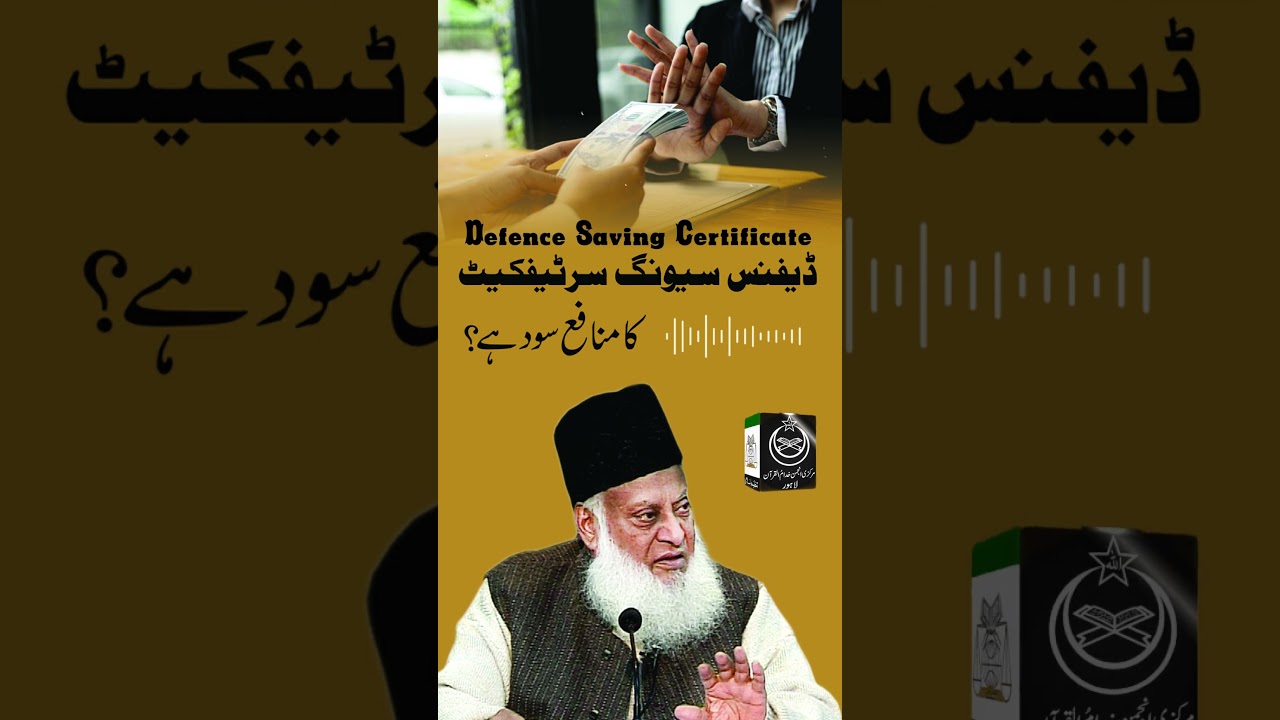
Many of Dr. Israr Ahmad’s educated friends and acquaintances advised him to deposit his retirement funds in fixed-rate Defense Savings Certificates, believing it to be the most beneficial solution. He disagreed. This lecture explains the impermissibility of interest, even when deposited in seemingly permissible schemes. They have fixed their money and are consuming the profit, believing it to be permissible, which he identifies as a significant error. The profit derived is direct interest – *haram* – and not a permissible form of trade or investment.
56
The core of a person’s character lies in their priorities: worldly possessions or the afterlife. True faith demands prioritizing the hereafter and seeking Allah’s pleasure above all else. Sufficient provision, even if modest, is superior to excessive wealth that leads to spiritual negligence. Self-sufficiency and reliance on Allah are preferable to a life of abundance and detachment from the Divine. A life of modest means, free from dependence on others, is more virtuous than a life of luxury that breeds spiritual heedlessness. Prioritizing contentment over excess fosters a stronger connection with Allah.
52
