Шорты
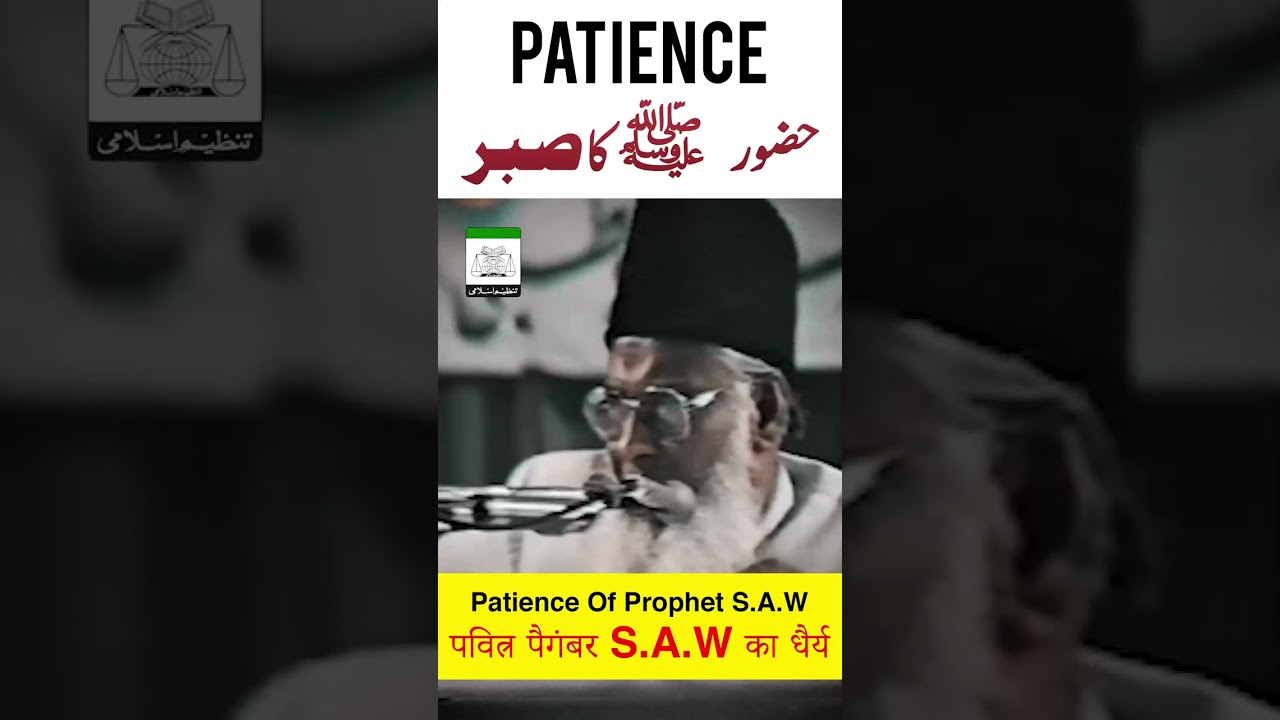
The text details a skeptical response from a prominent Quraishi man, Itbah ibn Rabi'ah, to Prophet Muhammad’s claim of receiving divine revelation. Itbah suggests the Prophet may be suffering from a malevolent spirit or affliction and offers to enlist the help of his connections to find a cure. This illustrates the initial disbelief and attempts to rationalize the Prophet’s message through pre-Islamic beliefs. The text highlights the Prophet's unwavering conviction amidst this skepticism and the challenges faced in conveying a new message.

50

This lecture details the profound encounter between Prophet Moses (peace be upon him) and Allah on Mount Tur. Despite direct communication, Moses expresses a desire to behold Allah. Allah responds that direct vision is beyond human capacity, but offers a demonstration through the mountain. When Allah manifests a glimpse of His glory upon the mountain, it is utterly destroyed, and Moses falls unconscious. This event highlights the immense power and majesty of Allah and the limitations of human perception when encountering the Divine.
61

The gathering of a nation within the ‘Houses of God’ – primarily mosques, but extending to any place where the remembrance of God occurs – is a source of divine tranquility. Those assembled recite and contemplate the Quran, leading to the descent of divine peace, God's mercy, and the encirclement by angels. God takes pride in these devoted individuals, acknowledging their pursuit of understanding His word. This highlights the special status of those who gather solely to comprehend divine revelation.
81
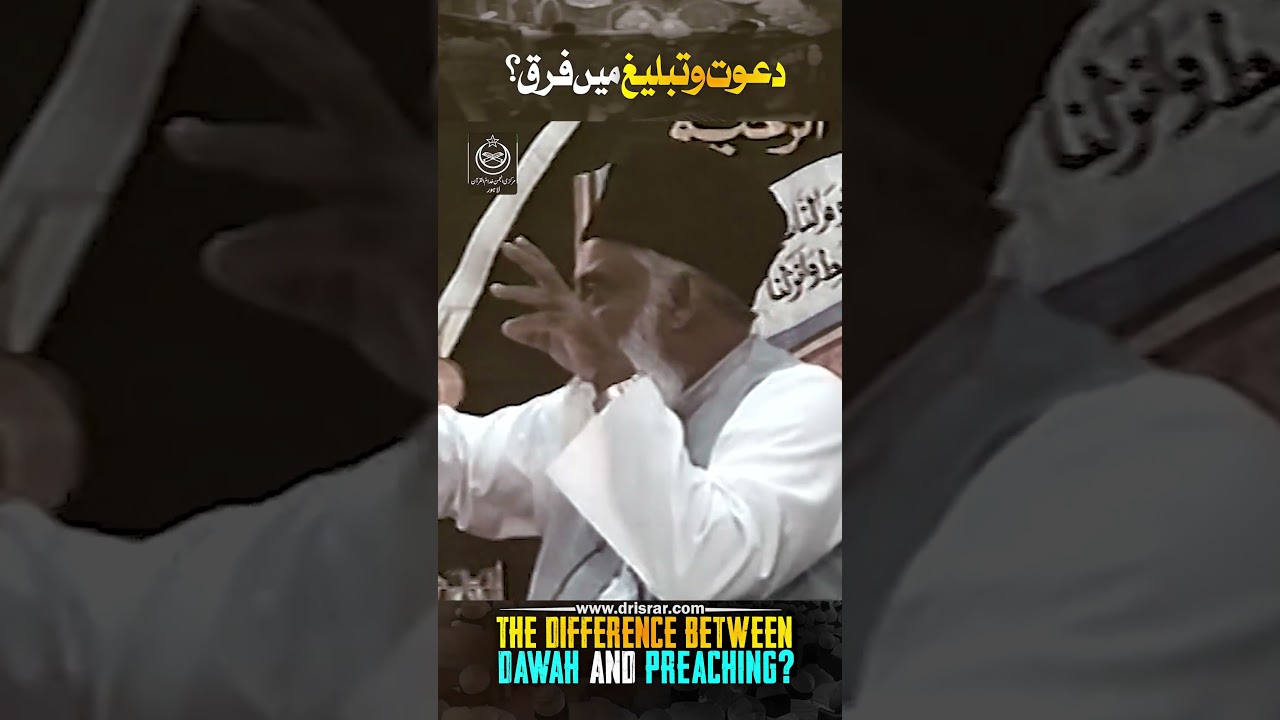
This lecture explores the dual nature of *dawat* (invitation) and *tabligh* (propagation). It clarifies that both involve conveying a message and guiding someone toward a particular path. *Dawat* focuses on reaching out and delivering the message, while *tabligh* emphasizes bringing someone along that path, accepting the invitation. The lecture highlights that these are not separate actions, but two sides of the same effort—communicating a message and encouraging acceptance. The speaker emphasizes the importance of conveying the message and guiding others towards righteousness.
53

This lecture discusses the human tendency to form opinions and suspicions about others. It emphasizes that forming negative judgments without concrete evidence is harmful and unjust. While doubt itself is not inherently bad, it should prompt caution and careful consideration rather than immediate negative action. The speaker stresses the importance of avoiding pre-judgment and treating others with fairness, even when suspicions arise. Caution and thoughtful evaluation are preferable to hasty, unjust decisions.
50

This lecture explores the concept of trials and tribulations as a test of one’s faith. It explains that difficulties and hardships are not merely punishments, but crucial tests to reveal the purity of belief. Just as gold is tested by fire to determine its authenticity, individuals are tested through adversity to expose genuine faith from mere claims. The lecture emphasizes that true believers are revealed through their resilience and steadfastness in the face of hardship, while those with insincere beliefs are exposed. The core message is that trials refine faith and distinguish the sincere from the hypocritical.
50
