Corti
This lecture clarifies the distinction between *Nabuwat* (prophethood) and *Risalat* (messengership). It explains that all *Rusul* (messengers) are *Nabi* (prophets), but not all *Anbiya* (prophets) are *Rusul* (messengers). The analogy of a CSP officer’s career progression—qualifying through an exam, undergoing training, and then receiving specific assignments—illustrates the concept. Prophethood represents the foundational qualification, while messengership signifies a specific appointment to deliver a divine message. This appointment transforms the individual into a *Rasul*, tasked with conveying a warning or message to their people. The lecture emphasizes that this appointment defines the messenger’s role.

118
This lecture details the immense sacrifices parents make, particularly mothers, during pregnancy and early childhood. It highlights the physical and emotional burdens mothers endure, from carrying the child in the womb for nine months to nurturing and feeding them for two years. The text emphasizes the profound debt of gratitude children owe their parents, both for their care and as a reminder of our ultimate return to God, mirroring the parent-child relationship. It stresses that acknowledging and appreciating parents is a fundamental aspect of faith and righteousness.
66
This supplication, recited by Prophet Moses (peace be upon him), seeks divine assistance in fulfilling the challenging task of delivering a message. It requests an expansion of the heart, facilitation of affairs, and removal of speech impediments. The prayer emphasizes the importance of clear communication to ensure the message is understood by all. This dua is essential for anyone involved in da’wah or conveying a message, as it addresses the core need for effective and understandable articulation.
51
Musab bin Umair, a companion of the Prophet Muhammad, was a standard-bearer in the Battle of Ahzab. Despite suffering severe injuries—losing both hands while defending the Muslim flag—he refused to let it fall. He held the flag with the remnants of his arms until he was martyred. A problem arose during his burial as the cloth covering his body was too small to cover his head and feet simultaneously. The Prophet Muhammad instructed his followers to cover his head and place grass over his feet.
78
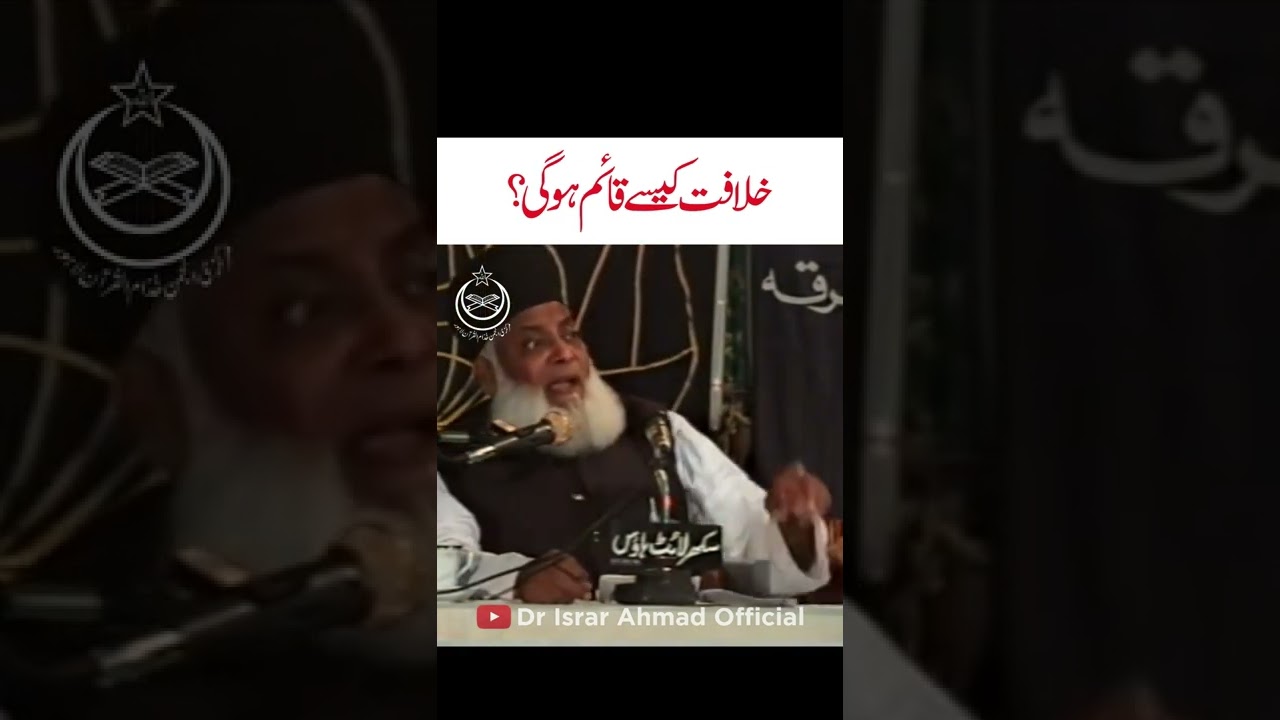
Dr. Israr Ahmad discusses the future establishment of a global caliphate rooted in the prophetic tradition. He references prophecies indicating a time when the message of Islam will permeate every corner of the earth, reaching all of humanity. He describes a vision where no home or dwelling will remain untouched by the teachings of Islam, and that his community will govern the entirety of the earth, having witnessed its eastern and western reaches in a divine revelation.
93
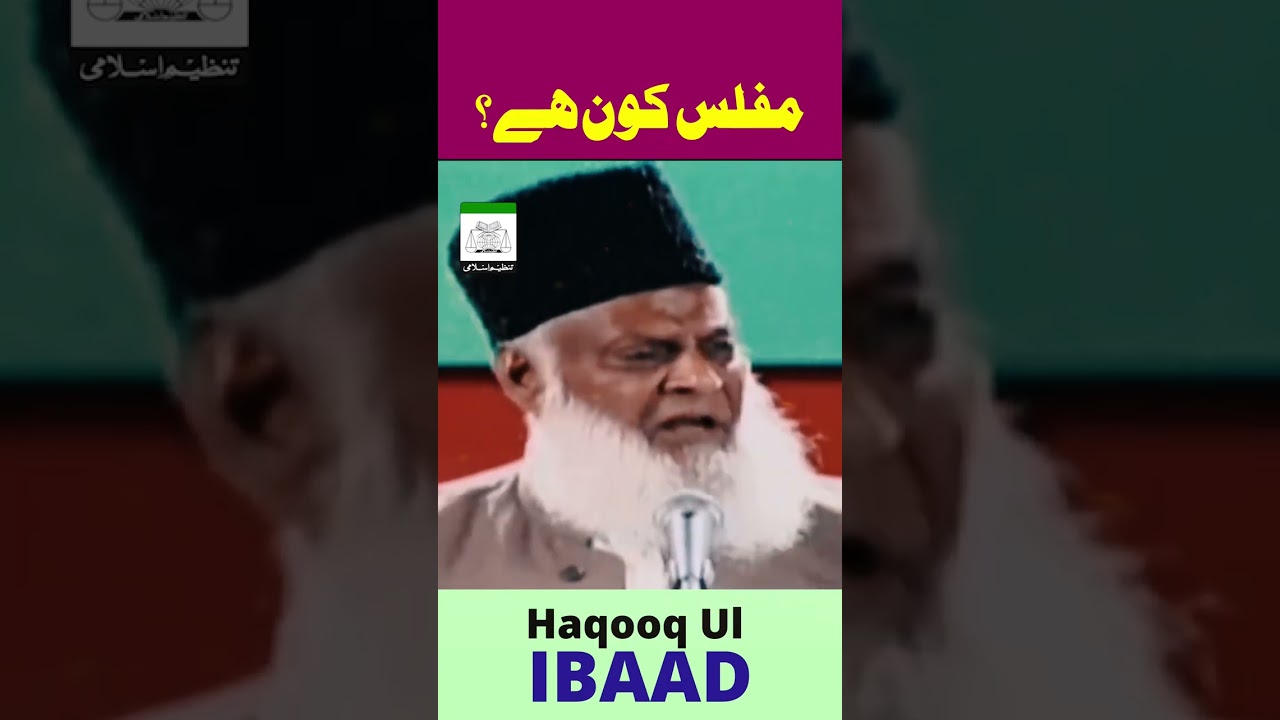
Dr. Israr Ahmad explains the true meaning of poverty (miskin) in Islam. It isn’t merely a lack of wealth, but rather the failure to fulfill obligations to others. A person may perform many acts of worship – prayers, fasting, pilgrimage – yet be considered bankrupt on the Day of Judgment if they have wronged people by depriving them of their rightful inheritance, slandering them, or otherwise violating their rights. Their good deeds will be distributed to those they harmed, leaving them with nothing but the weight of their sins and ultimately destined for Hell. This lecture clarifies that true poverty lies in spiritual bankruptcy, not material lack.
75
