Shorts
Maghira Ibn Shuba was among the companions who pledged allegiance to the Prophet Muhammad under the Tree of Ridwan, as mentioned in Surah Al-Fath. He was a staunch supporter of Hazrat Ali during the civil war between Hazrat Ali and Amir Muawiya, consistently siding with Hazrat Ali's faction.

51
Buying and selling shares in a company is permissible for a Muslim if the company conducts legitimate business. However, involvement with a company that manufactures alcohol is prohibited, making any shareholding or trade in it unlawful. Speculation within stock exchanges is also considered haram. Basic share trading itself is not forbidden, but additional complexities can render it impermissible.
103
The Quran’s true greatness lies in its being the expression of the Divine Speaker, revealing the entirety of God's attributes. Just as one can discern a person's intellect, understanding, and character from their speech, the Quran manifests all of God’s qualities. The text’s eloquence embodies complete divine attributes, making it a reflection of the Divine Being.
64
Dr. Israr Ahmad discusses the true nature of revolution as exemplified by the life of the Prophet Muhammad (peace be upon him). He emphasizes that genuine change doesn’t come through mere promises or superficial reforms, but through a comprehensive process of spiritual purification (tazkiya), organization, and unwavering commitment to establishing justice. He explains that this involves a disciplined, morally upright society prepared to challenge oppressive systems and establish a just order, guided by divine principles. He highlights the historical attempts at reform and the necessity of a strong, dedicated leadership committed to implementing Islamic principles in all aspects of life. The lecture also touches on the difference between implementing Sharia at a micro and macro level, and the historical precedent of Sharia being implemented for over a thousand years.
61
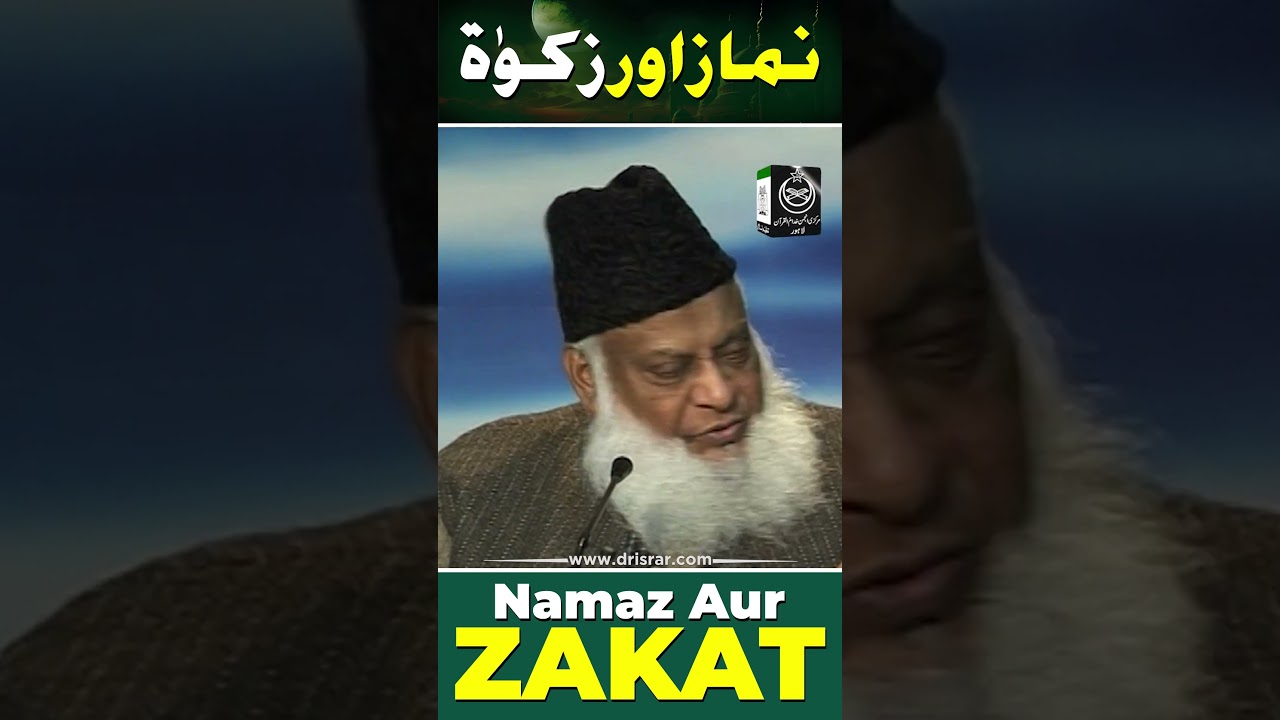
The Quran places significant emphasis on the observance of Salah (prayer) and Zakat (charity), repeatedly outlining their importance. While the verses detailing the complete regulations for fasting are concentrated in Surah Al-Baqarah, references to fasting are often limited to instances requiring expiation. Unlike fasting, the Quran consistently presents Salah and Zakat as independent, fundamental obligations. The repeated emphasis on these two pillars suggests their central role in Islamic practice and faith.
51
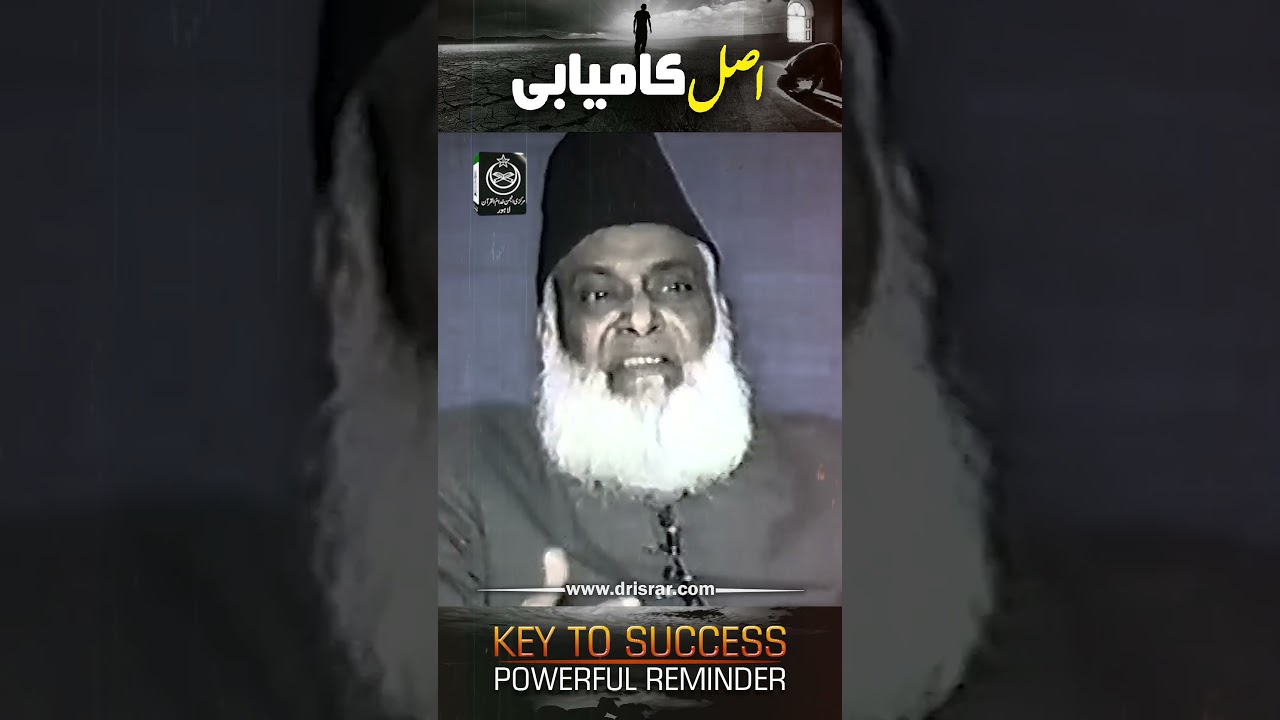
Human life is a constant series of choices. At every moment, individuals face a crossroads, deciding between worldly gain and divine guidance. This perpetual decision-making process defines our values and priorities. Each step involves prioritizing some things over others, a continuous evaluation of what we hold most dear. The choice between immediate profit and long-term spiritual well-being, between embracing corruption or adhering to ethical principles, shapes our destiny. This lecture explores the fundamental nature of these choices and their impact on our lives.
57
