Шорты
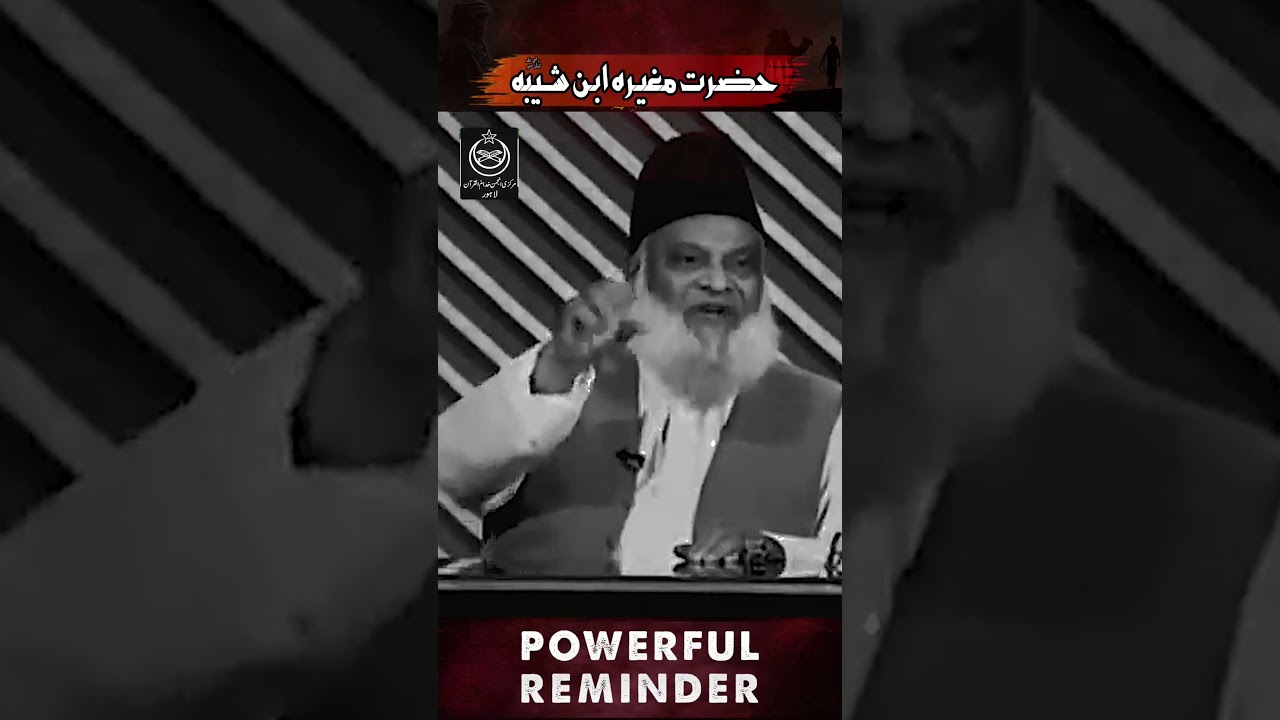
Maghira Ibn Shuba was among the companions who pledged allegiance to the Prophet Muhammad under the Tree of Ridwan, as mentioned in Surah Al-Fath. He was a staunch supporter of Hazrat Ali during the civil war between Hazrat Ali and Amir Muawiya, consistently siding with Hazrat Ali's faction.

51

Maintaining sincerity in good deeds requires constant self-monitoring and deliberate practice. The speaker emphasizes performing acts of charity and worship discreetly, concealing them even from close family, to cultivate genuine sincerity. This consistent practice strengthens the habit of performing good deeds solely for the pleasure of God, rather than seeking recognition or reward. By consistently prioritizing intention and concealing good deeds, one can solidify a habit of sincerity and avoid hypocrisy.
38

This lecture discusses a dangerous mindset prevalent among some communities: the belief that belonging to a specific lineage or group guarantees forgiveness and exempts them from accountability. This mindset leads to moral decay, justification of wrongdoing, and a rejection of responsibility. The speaker warns against prioritizing worldly pleasures and neglecting spiritual obligations, emphasizing the fleeting nature of life and the importance of striving for righteousness. He asserts that accountability is universal and that true salvation comes through sincere repentance and adherence to divine guidance, not through false assurances of inherited privilege.
66
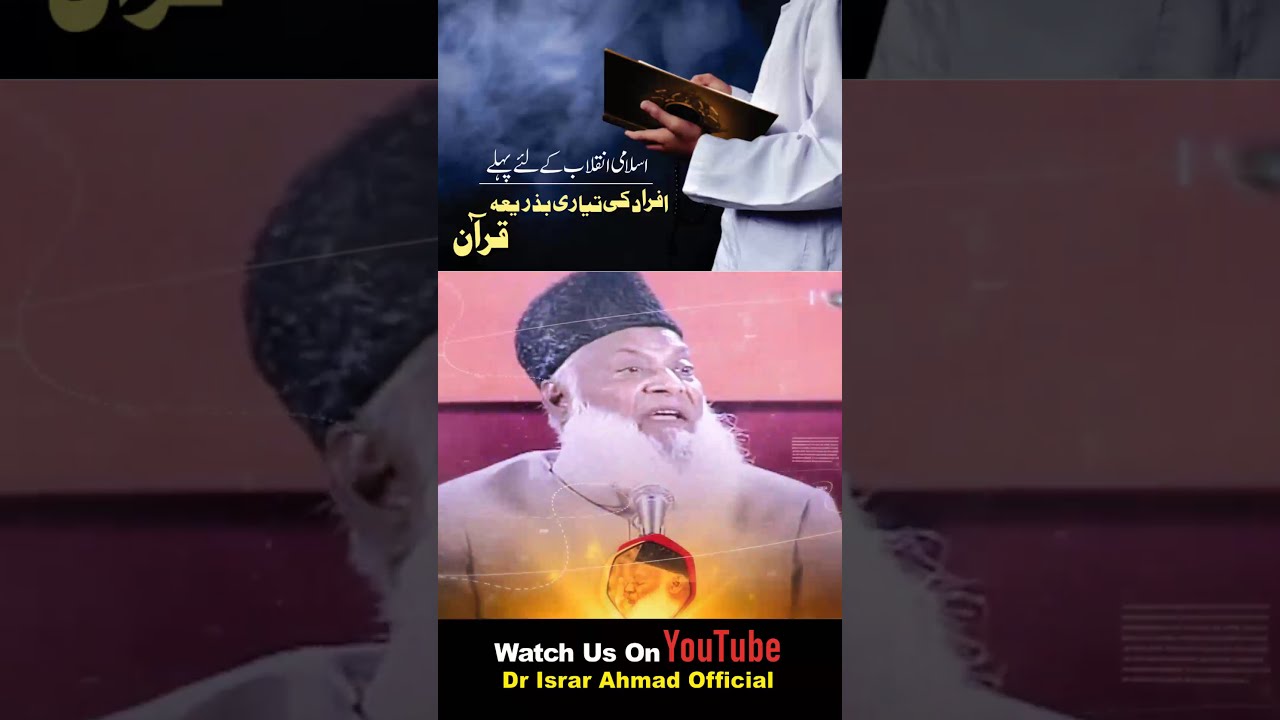
Dr. Israr Ahmad emphasizes the pivotal role of the individual in shaping the destiny of nations. He asserts that a nation's fate rests in the hands of its people, with each individual acting as a guiding star for the community. True progress stems from individual piety, devotion, and sincerity of purpose – working solely for the pleasure of God and striving for success in the afterlife. This lecture stresses the importance of solidifying individual character before uniting for collective advancement, with the Quran as the essential binding force.
82

Genuine success requires a balance of effort and prayer. Prayer alone is insufficient; it must be coupled with practical action. Divine acceptance of supplication is contingent upon sincere exertion and adherence to divine guidance. The lecture emphasizes that divine assistance is earned through one’s own efforts, referencing the Quranic principle that help from God comes to those who strive. The speaker critiques a reliance on mere supplication without corresponding action, highlighting the futility of prayers offered without diligent effort. The lecture stresses that divine support isn't a one-way street but a reciprocal relationship contingent upon human striving and commitment to faith.
49

Humanity has been created in the best form, but when individuals descend to a bestial level, they become worse than animals. This lecture explores the inner self—the spiritual personality that perceives beyond the physical senses of sight, hearing, and intellect. It emphasizes the role of the heart in true understanding and perception, contrasting it with reliance solely on rational thought. This inner being witnesses, hears, and contemplates not through eyes or ears, but through the heart.
50
