Corti
This lecture details the immense sacrifices parents make, particularly mothers, during pregnancy and early childhood. It highlights the physical and emotional burdens mothers endure, from carrying the child in the womb for nine months to nurturing and feeding them for two years. The text emphasizes the profound debt of gratitude children owe their parents, both for their care and as a reminder of our ultimate return to God, mirroring the parent-child relationship. It stresses that acknowledging and appreciating parents is a fundamental aspect of faith and righteousness.

66
This lecture emphasizes the immense disgrace of the Hereafter compared to worldly humiliation. It stresses the importance of seeking refuge with Allah from both, highlighting that the exposure of sins before all of creation will be a severe reckoning. The speaker urges consistent supplication to Allah for protection from disgrace in this world and the next, requesting His covering mercy and concealment.
72
This lecture clarifies the essence of sacrifice, emphasizing that its core is submission to God and fostering piety. Mere ritualistic observance without a genuine connection to the Divine renders the act meaningless. The speaker critiques ostentatious displays of wealth during sacrifice, highlighting that true devotion lies in internalizing the spirit of humility and surrender. Genuine sacrifice necessitates a relationship with God and cultivating inner devotion. It is a demonstration of complete submission and sincerity.
66
This lecture explains that I'tikaf represents the culmination of the month of Ramadan, a peak spiritual experience. It’s a period of complete devotion where individuals disconnect from worldly routines and dedicate themselves entirely to worship. This disconnection isn’t merely physical; it’s a complete turning of the soul towards God, severing ties with everything else. I'tikaf signifies a total focus on the Divine, an all-encompassing surrender, and a complete disconnection from all distractions. It’s the highest point of spiritual intensity achieved during Ramadan.
86
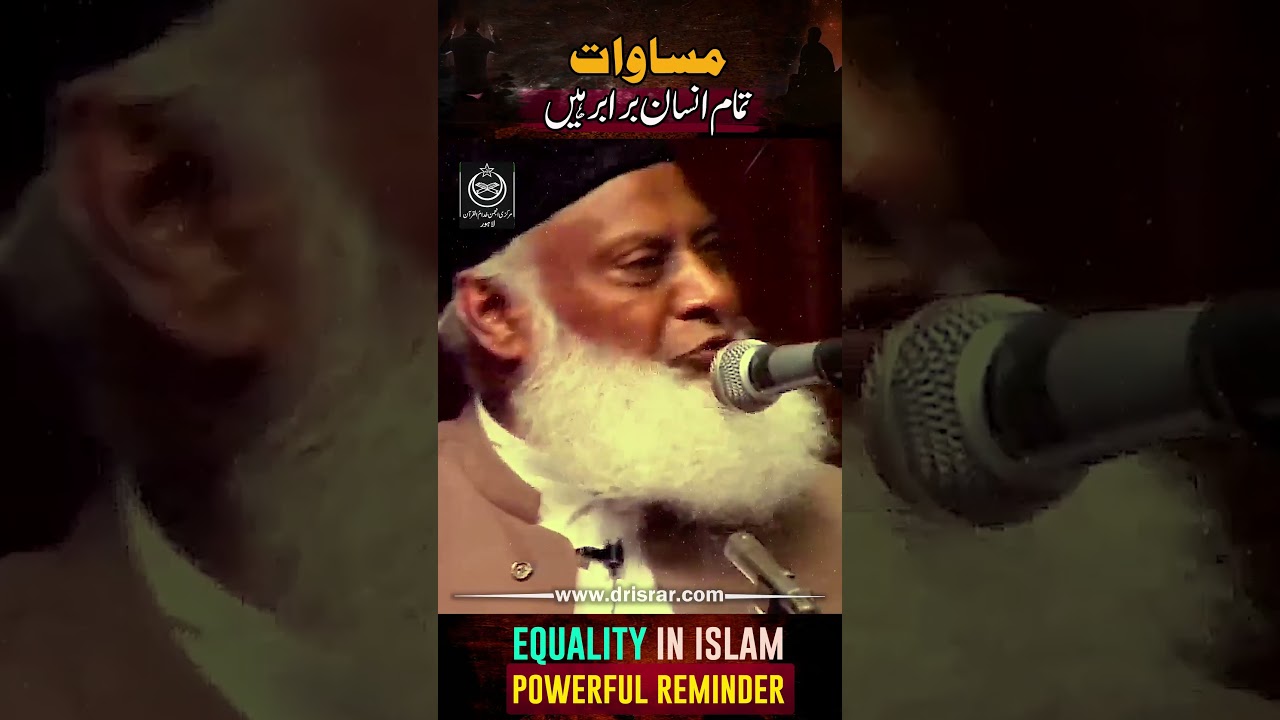
All humans are born equal, possessing inherent dignity regardless of birth, race, or gender. Social hierarchies are not innate but are acquired through knowledge, piety, and character. True honor is derived from devotion to God, with the most esteemed individual being the most righteous. While men may hold institutional leadership roles within the family, this does not equate to inherent superiority. Women can surpass men in moral and spiritual standing. Examples like Maryam, Khadija, Asiya, and Aisha demonstrate the potential for women to achieve exceptional spiritual heights. The core message emphasizes equality, character, and spiritual elevation as the foundations for respect and honor.
50
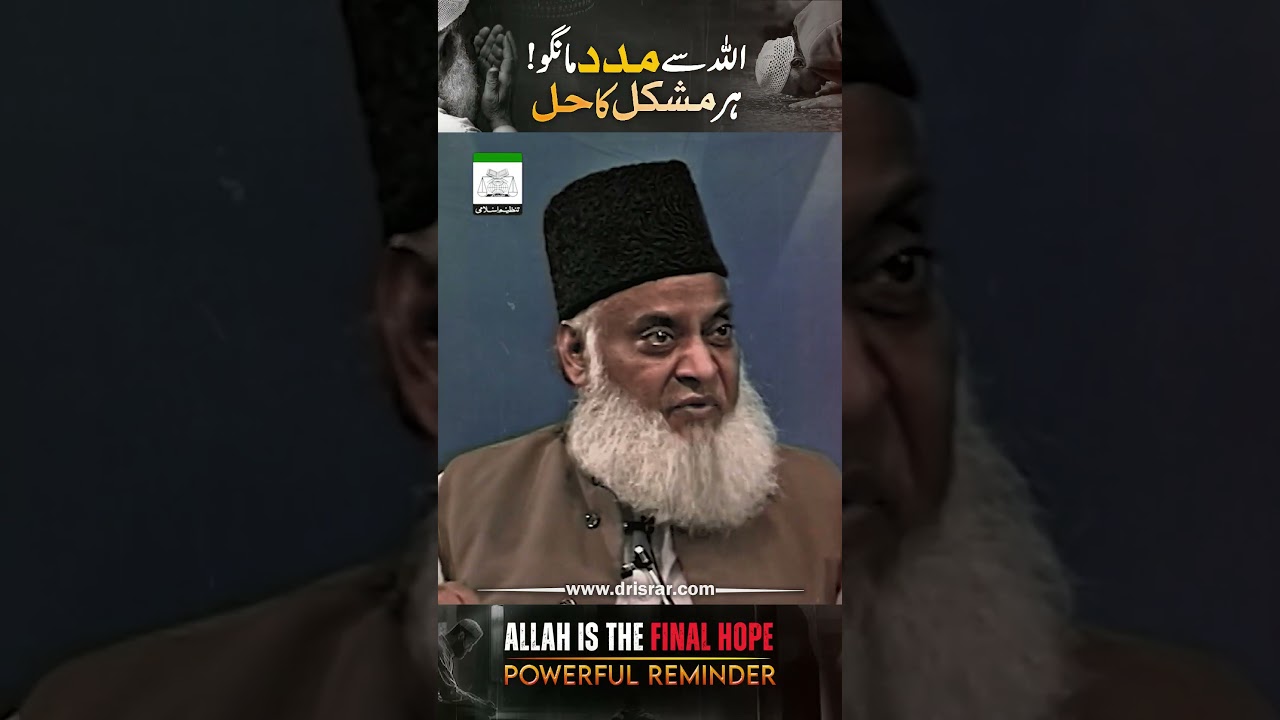
This lecture clarifies that true support and reliance should only be placed in Allah. The world is full of false hopes and dependencies. People often seek help from others, believing they will provide assistance, but these relationships are ultimately fragile and unreliable, like spiderwebs. True strength comes from a connection with Allah alone. Seeking support from anyone or anything other than Allah is a mistake, as only He is the ultimate protector and provider. This concept emphasizes the importance of tawakkul (trust in Allah) and the transient nature of worldly relationships.
58
