Kratke hlače
This lecture details the immense sacrifices parents make, particularly mothers, during pregnancy and early childhood. It highlights the physical and emotional burdens mothers endure, from carrying the child in the womb for nine months to nurturing and feeding them for two years. The text emphasizes the profound debt of gratitude children owe their parents, both for their care and as a reminder of our ultimate return to God, mirroring the parent-child relationship. It stresses that acknowledging and appreciating parents is a fundamental aspect of faith and righteousness.

66
This lecture explores the concept of divine uniqueness, emphasizing that God is free from any partners, progeny, or need for support. It highlights the attributes of God as the sole sovereign, creator, and sustainer of the universe, deserving of all praise and magnification. The discussion centers on the affirmation of God’s absolute oneness and transcendence, rejecting any form of association or limitation to His divine essence. It underscores the importance of recognizing God's perfect attributes and submitting to His will.
54
This lecture clarifies that true support and reliance should only be placed in Allah. The world is full of false hopes and dependencies. People often seek help from others, believing they will provide assistance, but these relationships are ultimately fragile and unreliable, like spiderwebs. True strength comes from a connection with Allah alone. Seeking support from anyone or anything other than Allah is a mistake, as only He is the ultimate protector and provider. This concept emphasizes the importance of tawakkul (trust in Allah) and the transient nature of worldly relationships.
58
Salvation is not attainable through personal effort alone; it is contingent upon divine mercy, as all humans are prone to error. The Quranic verse emphasizes that while everyone makes mistakes, the best among them are those who sincerely repent. Achieving God’s mercy requires faith, righteous deeds, patience, and striving towards truth. It is a believer’s duty to exert their utmost effort in seeking divine favor, recognizing that ultimate salvation rests solely with God.
56
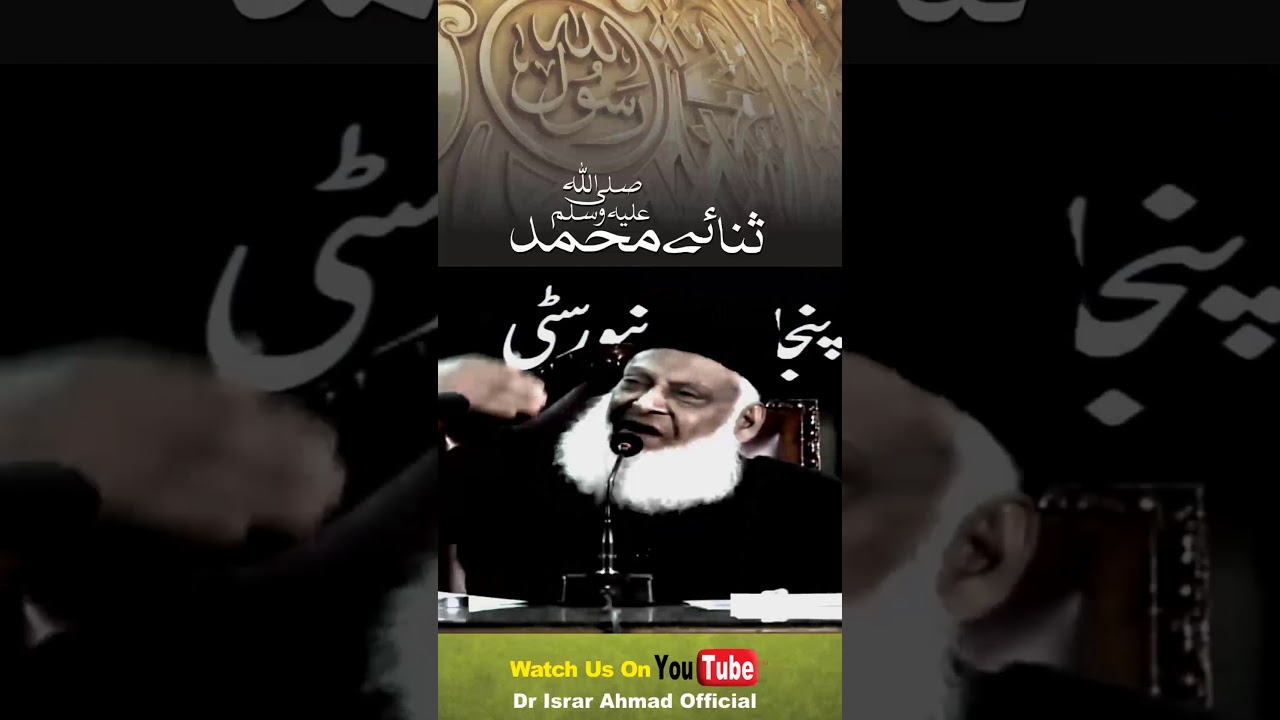
This lecture explores the profound and ineffable status of Prophet Muhammad (peace be upon him). Dr. Israr Ahmad cautions against attempting to fully comprehend or articulate this status, emphasizing its transcendence of human understanding. He draws a parallel to a rural man’s limited worldview, represented by his highest reference point being a local land administrator, to illustrate the human inability to grasp divine realities. The speaker highlights that any attempt to define the Prophet’s status risks diminishing it, and true reverence lies in acknowledging its sacredness and submitting to divine knowledge.
71
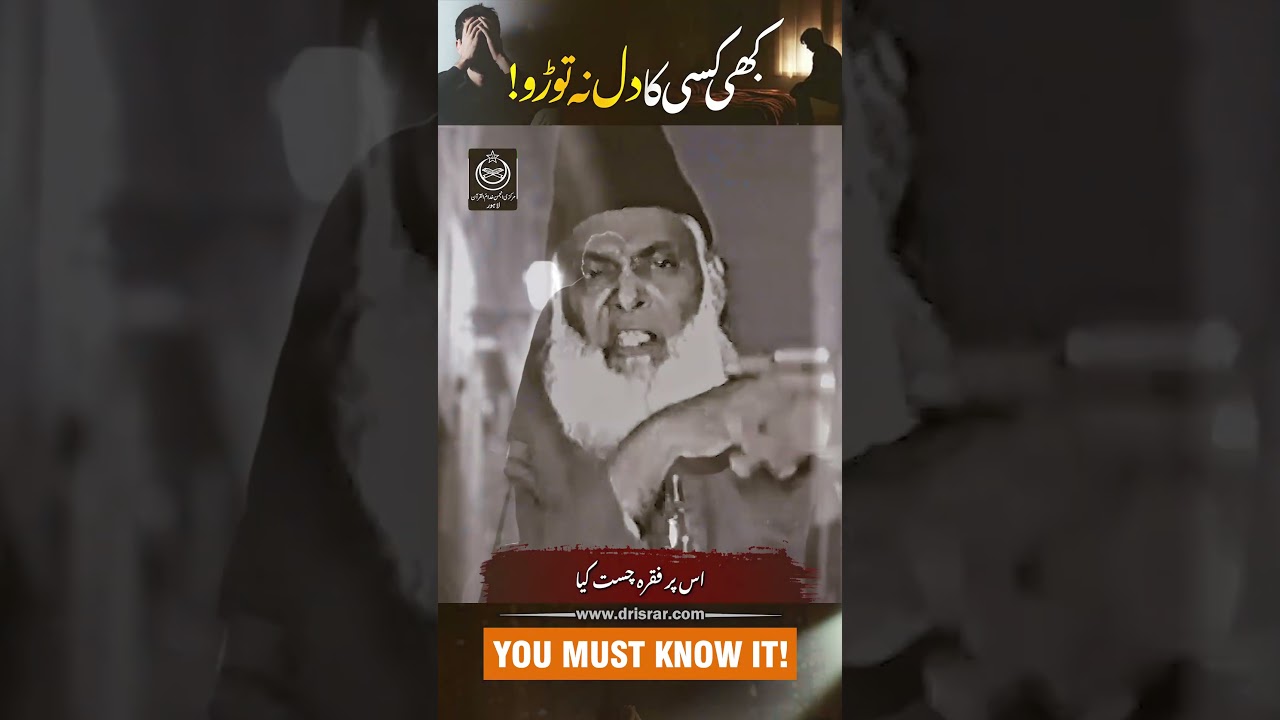
This lecture explores the destructive nature of greed (bakhili) and the dangerous state of self-sufficiency (istighna). It contrasts those who are mindful of others’ feelings and seek forgiveness with those who are indifferent and act without regard for consequences. The speaker emphasizes that a lack of empathy leads to spiritual ruin, ultimately culminating in the severe consequences of the afterlife. The discourse highlights the importance of humility, consideration for others, and seeking repentance to avoid the path of destruction.
54
