Kratke hlače
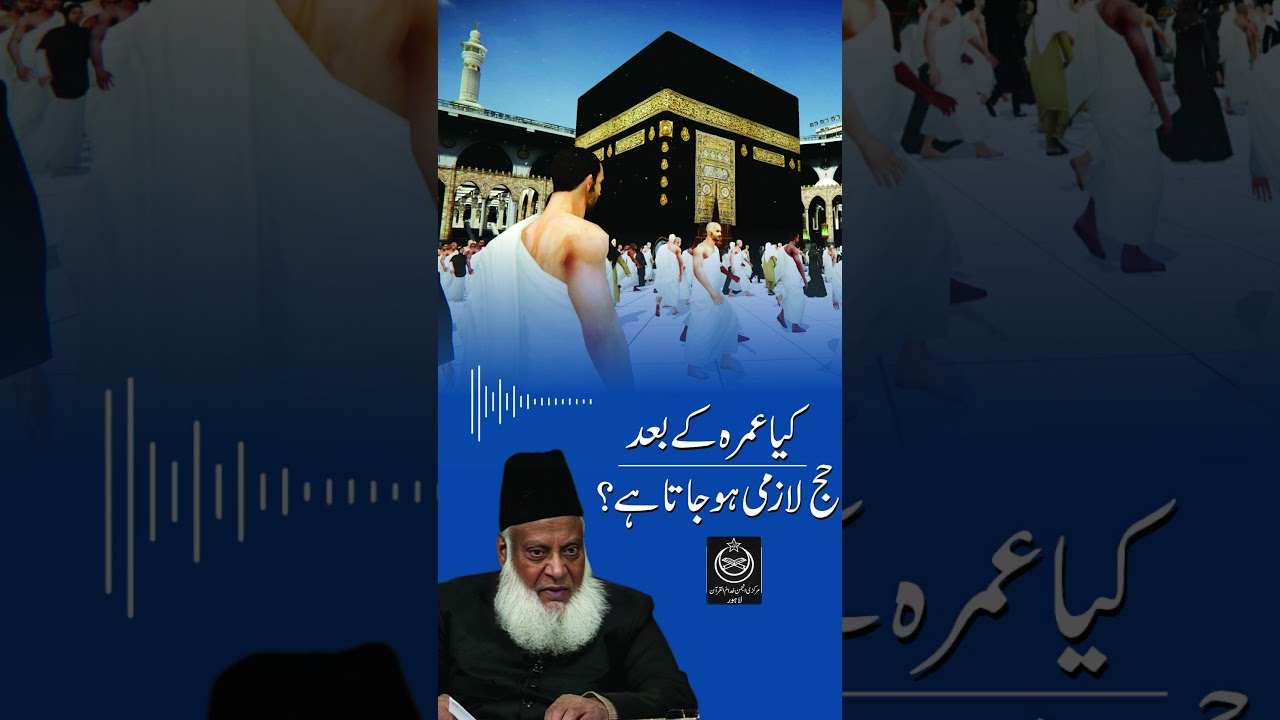
This lecture clarifies whether performing Umrah necessitates performing Hajj. It addresses the scenario of someone performing Umrah while on official government travel, funded by the state, and lacking the financial means for Hajj. The core point is that Umrah itself does not automatically make Hajj obligatory. However, if an individual possesses the financial capability, they should prioritize fulfilling the obligatory Hajj pilgrimage. The lecture emphasizes that if someone can afford to perform Hajj, it becomes an obligation upon them.

85
Dr. Israr Ahmad strongly discourages involvement with astrology, palmistry, and similar predictive practices. He asserts that while these systems might contain partial truths, Muslims are explicitly commanded to abstain from them due to the lack of definitive evidence and their potential for misguidance. The lecture emphasizes adherence to established Islamic principles and reliance on divine guidance rather than speculative beliefs. This bayān clarifies the Islamic stance against seeking knowledge of the future through unverified means.
44
This lecture clarifies that true piety (taqwa) extends beyond mere ritualistic observance – prayers, fasting, avoiding forbidden foods. It emphasizes abstaining from unjustly acquiring wealth, avoiding deceptive practices, and not using wealth to influence authorities for personal gain. Genuine piety involves a commitment to ethical financial conduct and a sincere avoidance of all forms of injustice. It highlights that simply performing religious duties without inner sincerity and righteous conduct does not constitute true taqwa.
104
We live under the illusion of possessing faith when, in reality, we hold mere beliefs passed down through generations, a bundle of inherited convictions stored within our communities. True faith, or *iman*, is characterized by certain knowledge—knowledge of certainty, experiential certainty, and the certainty of truth. This certainty is a connection, a realization of being observed by God, a presence felt deeply. It encompasses belief in life after death, in Paradise and Hell, and the fundamental truth that true life resides in the afterlife.
62
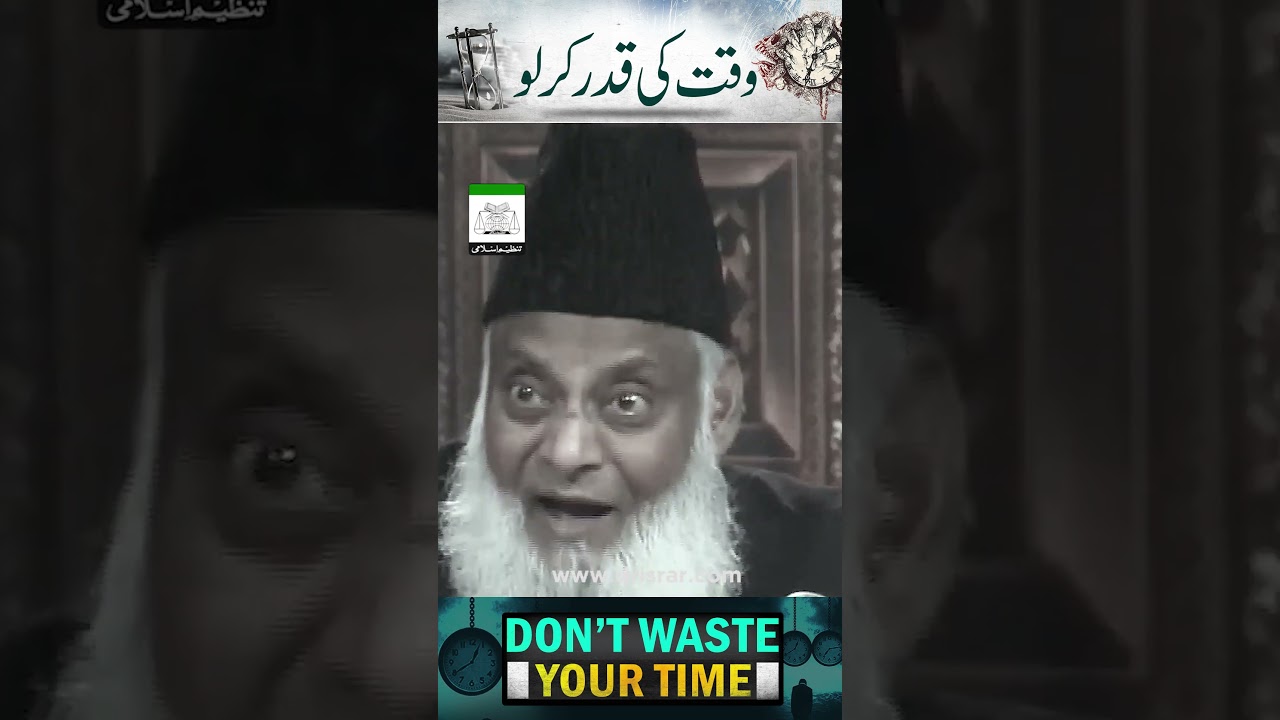
Time is presented as a powerful, swift force that relentlessly diminishes life. The speaker emphasizes that age isn't increasing, but rather decreasing with each passing moment. A person’s lifespan is finite; preoccupation with frivolous activities wastes this precious resource. A truly mindful and devout individual understands time’s value and refrains from squandering it on trivial pursuits. The lecture stresses the importance of recognizing time’s fleeting nature and utilizing it for meaningful endeavors. It highlights that a decreasing lifespan necessitates a focus on purpose and avoiding wasteful activities.
52
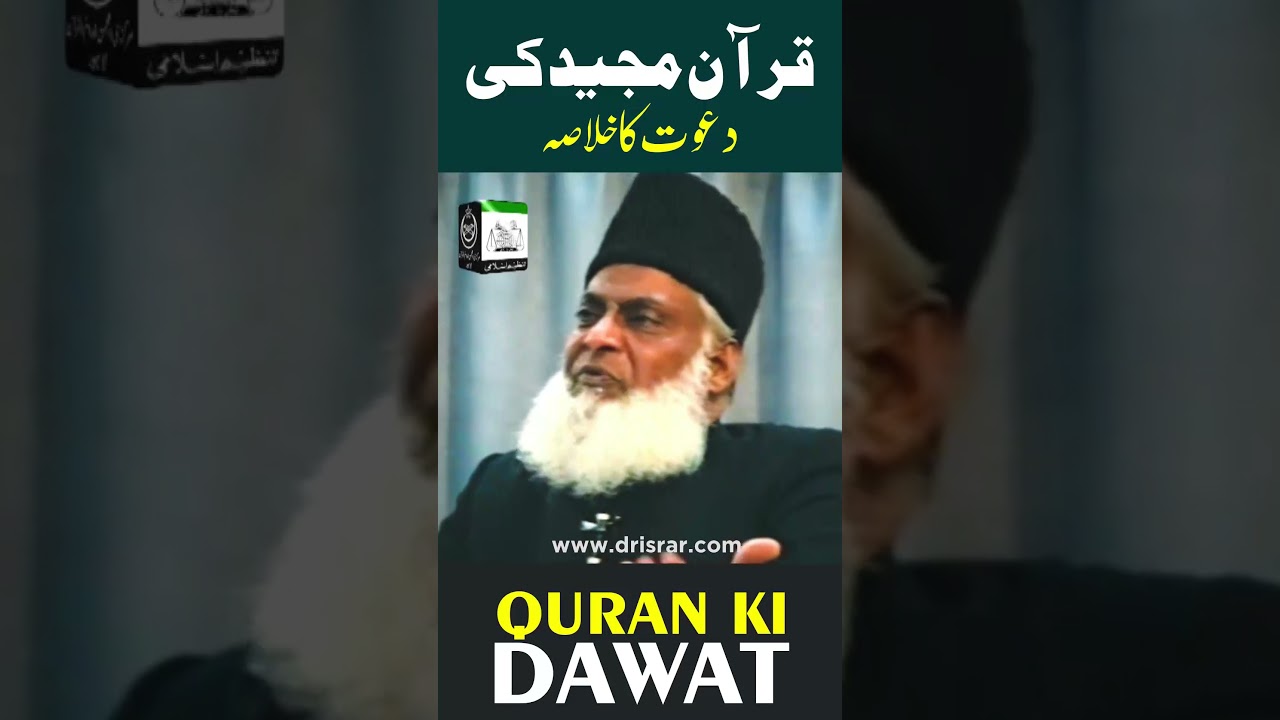
The core message of the Quran centers on the singular worship of Allah. This lecture explains that the foundational principle of the Quranic invitation is devotion to Allah alone, rejecting all other forms of worship. The Quran emphasizes establishing worship of the Creator, as highlighted in Surah Hud’s opening verses, which describe the Quran as a firmly established book with detailed revelations from the All-Knowing, Wise Creator. The Quranic command, 'Do not worship anyone besides Allah,' reinforces this central theme, making the exclusive worship of Allah the essence of the Quranic message. This singular devotion is the key takeaway of the entire scripture.
96
