السراويل القصيرة
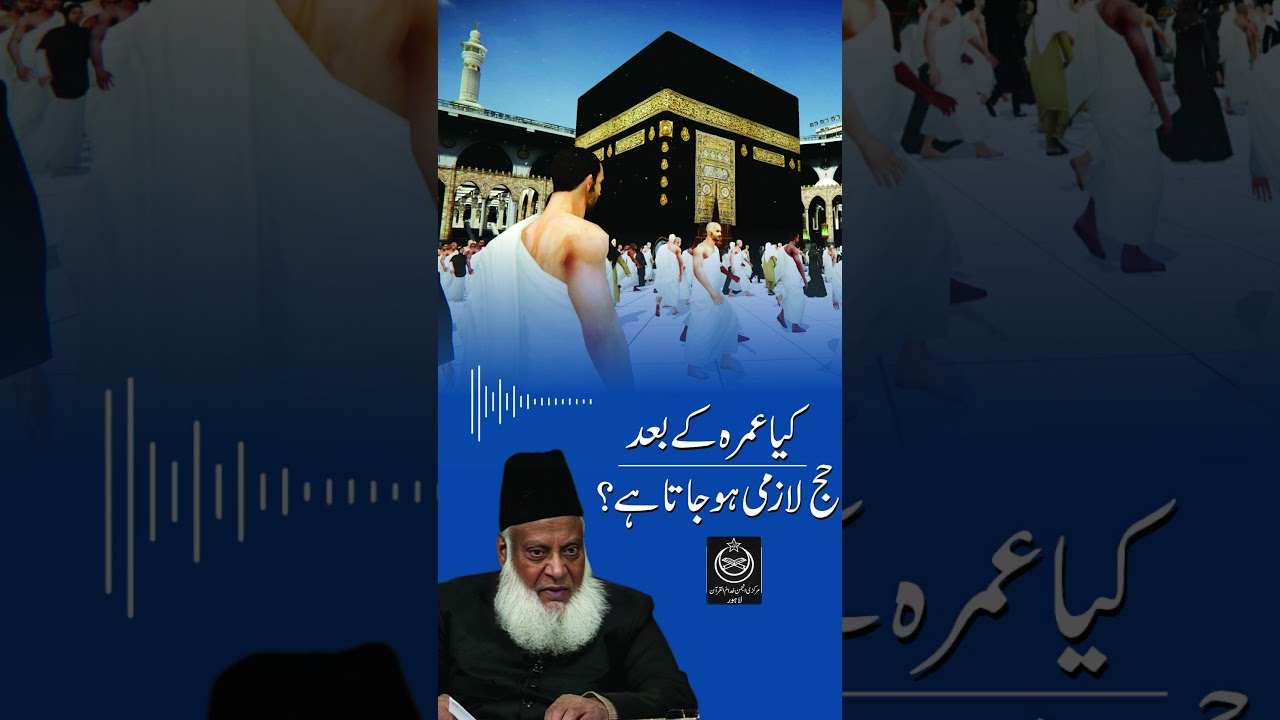
This lecture clarifies whether performing Umrah necessitates performing Hajj. It addresses the scenario of someone performing Umrah while on official government travel, funded by the state, and lacking the financial means for Hajj. The core point is that Umrah itself does not automatically make Hajj obligatory. However, if an individual possesses the financial capability, they should prioritize fulfilling the obligatory Hajj pilgrimage. The lecture emphasizes that if someone can afford to perform Hajj, it becomes an obligation upon them.

85
Religion, or *deen*, is a timeless system of life, consistent throughout the ages with prophets like Noah, Abraham, Moses, Jesus, and Muhammad. *Shariat* (law) is a variable component that adapts to specific eras. True religion is a just system, a framework for social justice. Lasting positive results require the implementation of this just system, not merely the enforcement of laws. Both religious principles and Islamic law are essential for societal betterment.
54
This lecture emphasizes the transient nature of worldly life and the eternal significance of the Hereafter. It asserts that true life resides in the afterlife, urging listeners to prioritize preparation for it. The speaker highlights the fragility of existence, reminding viewers that death can occur unexpectedly. The discussion focuses on the importance of dedicating one's life to fulfilling either worldly needs or earning rewards for the afterlife, condemning actions devoid of these purposes as detrimental to faith. Ultimately, the message underscores the necessity of having unwavering belief in the ultimate reality of the afterlife.
119
Fasting cultivates self-control by imposing restrictions not only on prohibited things but also on permissible enjoyments. This practice aims to develop restraint throughout the year, extending beyond the month of Ramadan. The purpose of these limitations is to foster discipline and the ability to control one’s desires and impulses, even when not explicitly forbidden, leading to a strengthened will and self-governance. This self-control is the primary wisdom behind the practice of fasting.
74
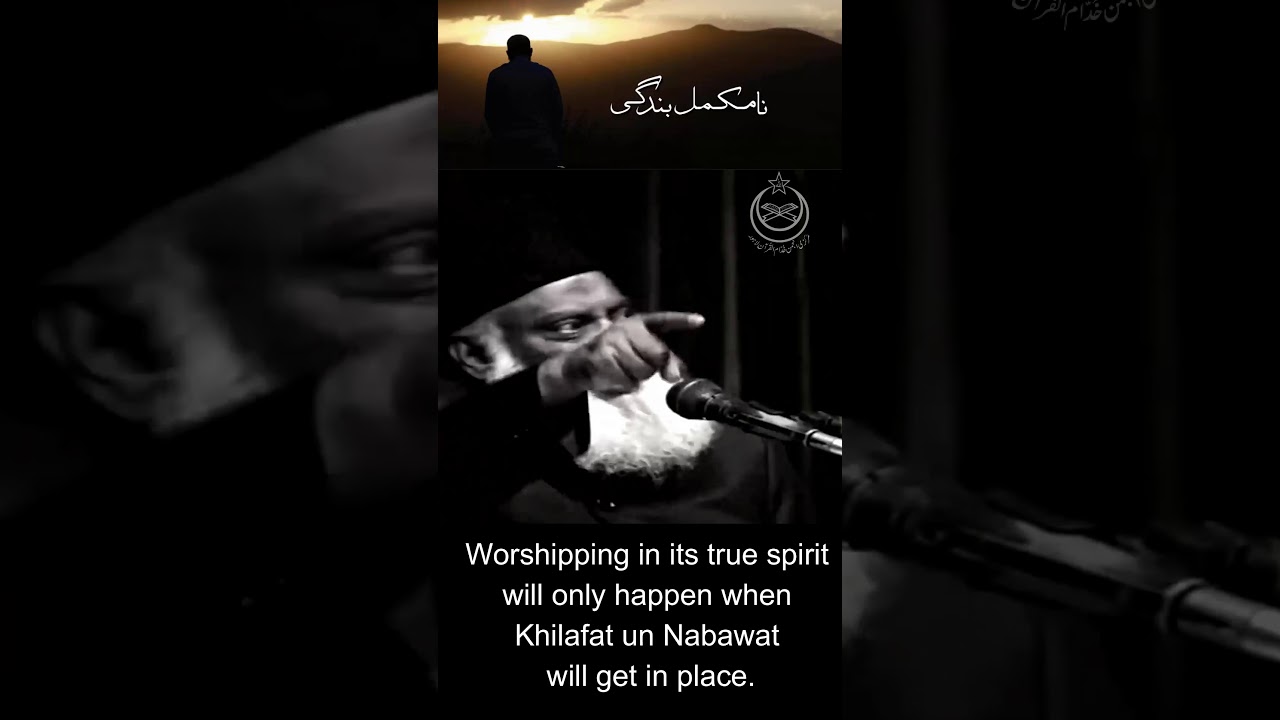
This lecture emphasizes that complete devotion to God requires the establishment of a caliphal system mirroring the Prophetic methodology. Without it, adherence to divine law is incomplete. The speaker highlights the necessity of implementing all of God’s commands, including legal penalties, to achieve true worship. Current selective obedience, mixing divine and man-made laws, constitutes *shirk* (associating partners with God). Complete worship and obedience will only be realized with the restoration of a rightly guided caliphate, ensuring exclusive devotion to God.
185
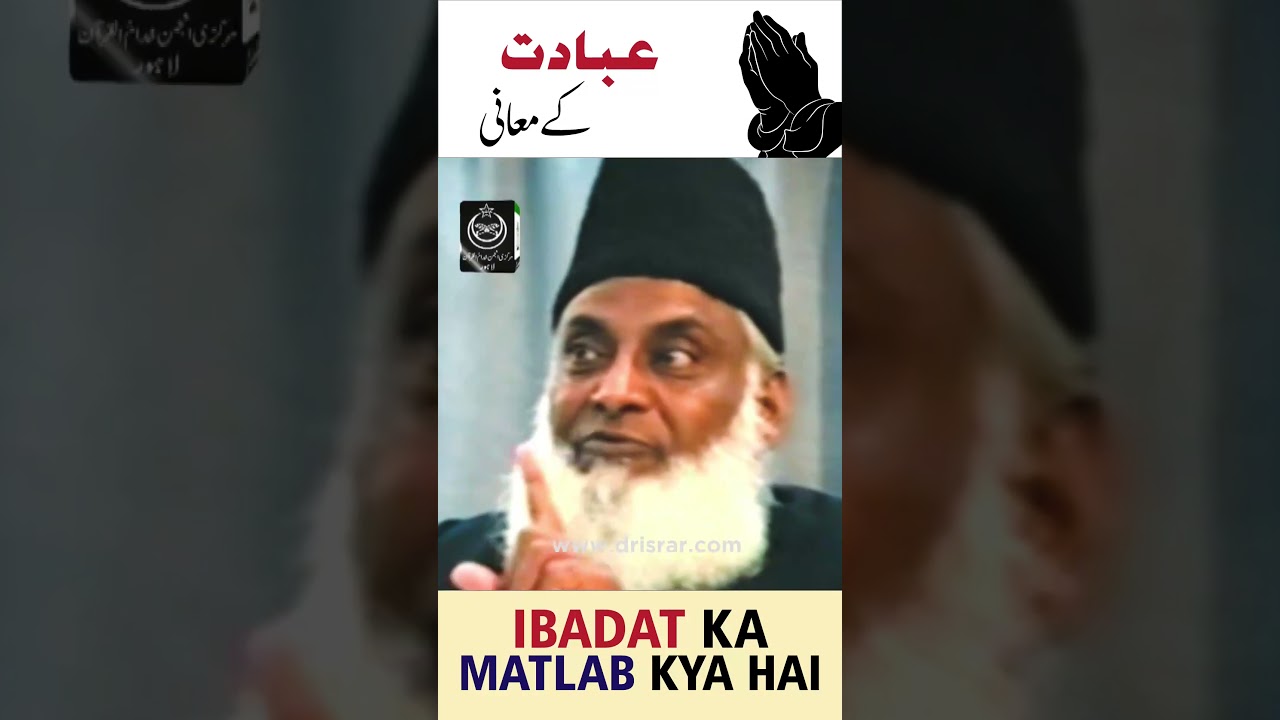
The concept of *ubudiyat* (devotion) encompasses two essential elements: the utmost love and complete submission. True devotion is achieved when both reach their peak, uniting in a profound connection with the Divine. This lecture emphasizes that devotion is fundamentally rooted in intense love for God, coupled with total surrender and humility before Him. These two aspects are inextricably linked; one cannot exist without the other. The complete yielding of self, and an absolute devotion, are the hallmarks of genuine worship.
61
