Shorts
This lecture clarifies whether performing Umrah necessitates performing Hajj. It addresses the scenario of someone performing Umrah while on official government travel, funded by the state, and lacking the financial means for Hajj. The core point is that Umrah itself does not automatically make Hajj obligatory. However, if an individual possesses the financial capability, they should prioritize fulfilling the obligatory Hajj pilgrimage. The lecture emphasizes that if someone can afford to perform Hajj, it becomes an obligation upon them.

85

True faith necessitates prioritizing devotion to God above all else, even familial bonds. This lecture explores the conditions for attaining genuine faith, emphasizing that complete obedience to God is a continuous struggle against internal desires and external temptations. Four fundamental acts of worship are presented as pillars supporting a life of sincerity and devotion. The lecture stresses the difficulty of this pursuit, acknowledging the influence of the self and the constant efforts needed to overcome worldly inclinations. Genuine worship demands a wholehearted commitment, transcending mere ritualistic observance.
64
The speaker clarifies the distinction between legitimate leasing (ijara) and purchases financed through interest (riba). Leasing involves renting an asset for a specified period, with the renter paying a monthly fee and covering operational costs. In contrast, an interest-based purchase involves financing the full price of an asset over time, accruing interest on the outstanding amount. The speaker emphasizes that financing a purchase with interest, even if labeled differently, constitutes riba and is prohibited. Legitimate leasing does not involve any form of interest or profit on the asset itself, only a rental fee for its use. The discussion highlights that changing the label of an interest-based transaction does not alter its fundamentally prohibited nature.
71
This lecture explains that the night of Decree (Laylat al-Qadr) is when the measures and destinies for the upcoming year are determined. While these decrees exist within Allah's eternal knowledge, the specifics of their manifestation – events, circumstances, and incidents – are communicated to the angels for execution. This process occurs annually, mirroring a budgetary session where yearly affairs are assigned. The lecture highlights that Allah's ancient knowledge encompasses all that will occur, and the angels are tasked with bringing these divine decisions to fruition.
65
This lecture details the Prophet Muhammad’s (peace be upon him) exceptional character, particularly his modesty and self-reliance. The narrative recounts how the Prophet never asked anyone for personal favors, even during the challenging time of migration to Medina. It highlights his foresight in preparing for the journey with the help of Hazrat Abu Bakr, ensuring swift transportation. The account further illustrates the Prophet’s humility, demonstrated by his willingness to perform even the simplest tasks himself, refusing to ask others for assistance. The lecture concludes with a powerful affirmation of support from his companions, declaring themselves ‘Ansarullah’ – helpers of God.
72
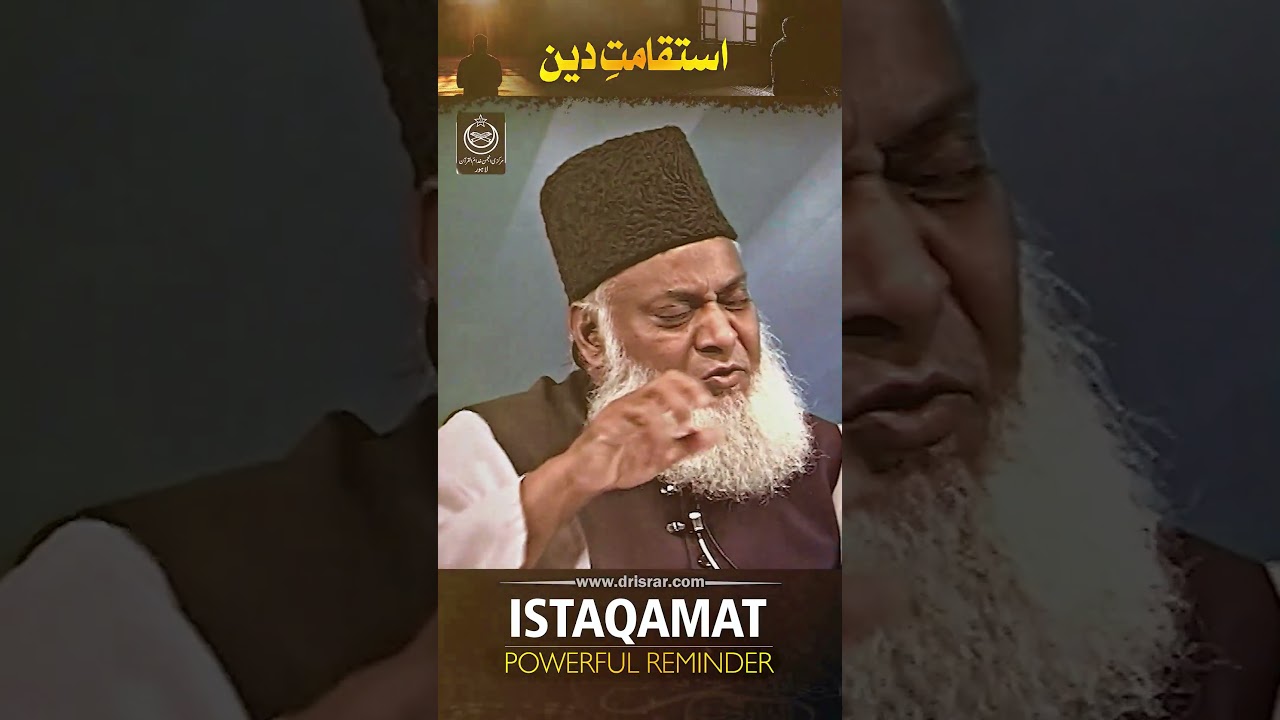
This lecture explores the essence of true faith, emphasizing steadfastness (istiqamat) as the ultimate test and pinnacle of belief. It clarifies that simply professing faith in Allah is insufficient; genuine commitment requires unwavering resolve, complete trust in His decisions, and diligent obedience to His commands. The core message centers on achieving inner peace and contentment through complete surrender to Allah, recognizing Him as the sole provider, healer, and sustainer. This state of unwavering conviction is described as the highest form of faith, exemplified by the verse referencing those who steadfastly declare, “Our Lord is Allah,” and remain firm in their belief. Achieving this inner certainty is the ultimate goal of a believer’s life.
80
