Shorts
This lecture emphasizes that ultimate authority and governance rest solely with God. It asserts that God does not share His power with any individual, ruler, nation, or humanity as a whole. The universe and the earth belong to God, and His will must prevail. This principle of divine sovereignty is absolute and unwavering, rejecting any form of shared authority or human intervention in matters of governance.

329

This lecture explains that I'tikaf represents the culmination of the month of Ramadan, a peak spiritual experience. It’s a period of complete devotion where individuals disconnect from worldly routines and dedicate themselves entirely to worship. This disconnection isn’t merely physical; it’s a complete turning of the soul towards God, severing ties with everything else. I'tikaf signifies a total focus on the Divine, an all-encompassing surrender, and a complete disconnection from all distractions. It’s the highest point of spiritual intensity achieved during Ramadan.
80
This lecture discusses the inevitability of change and the cyclical nature of life's difficulties. It emphasizes that current hardships, however severe, are temporary. The speaker asserts that even those who inflict pain will eventually face their own trials and that circumstances are subject to constant transformation. The core message is one of hope and resilience, reminding listeners that better times will come, and even oppressors will experience a shift in their fortunes. It underscores the importance of patience and faith in the face of adversity.
65
The lecture clarifies the true meaning of *takbir*, emphasizing that ultimate sovereignty belongs to God alone. Human claims to absolute authority, or the creation of laws independent of divine guidance, constitute *shirk* – associating partners with God. True *takbir* involves recognizing God’s supreme greatness and rejecting any notion of shared sovereignty. The speaker stresses that attributing greatness to anyone other than God diminishes His glory and elevates the claimant. The essence of *takbir* is affirming God’s absolute authority and establishing His greatness by negating all false claims to power.
62
This lecture discusses the historical and economic benefits of sacrificial meat (Qurbani) in a specific region. It highlights how, traditionally, communities utilized every part of the animal, ensuring no waste. The speaker details how this practice provided a livelihood for local herders and a year-round meat supply for residents. The lecture contrasts this sustainable system with modern practices and argues against claims of wastefulness, emphasizing the economic support Qurbani provided to the community. It describes a time when communities thrived due to the efficient use of resources from the sacrificial animals, providing economic stability for local residents and herders. The lecture points out that Qurbani was not merely a religious ritual but a crucial element of the local economy.
89
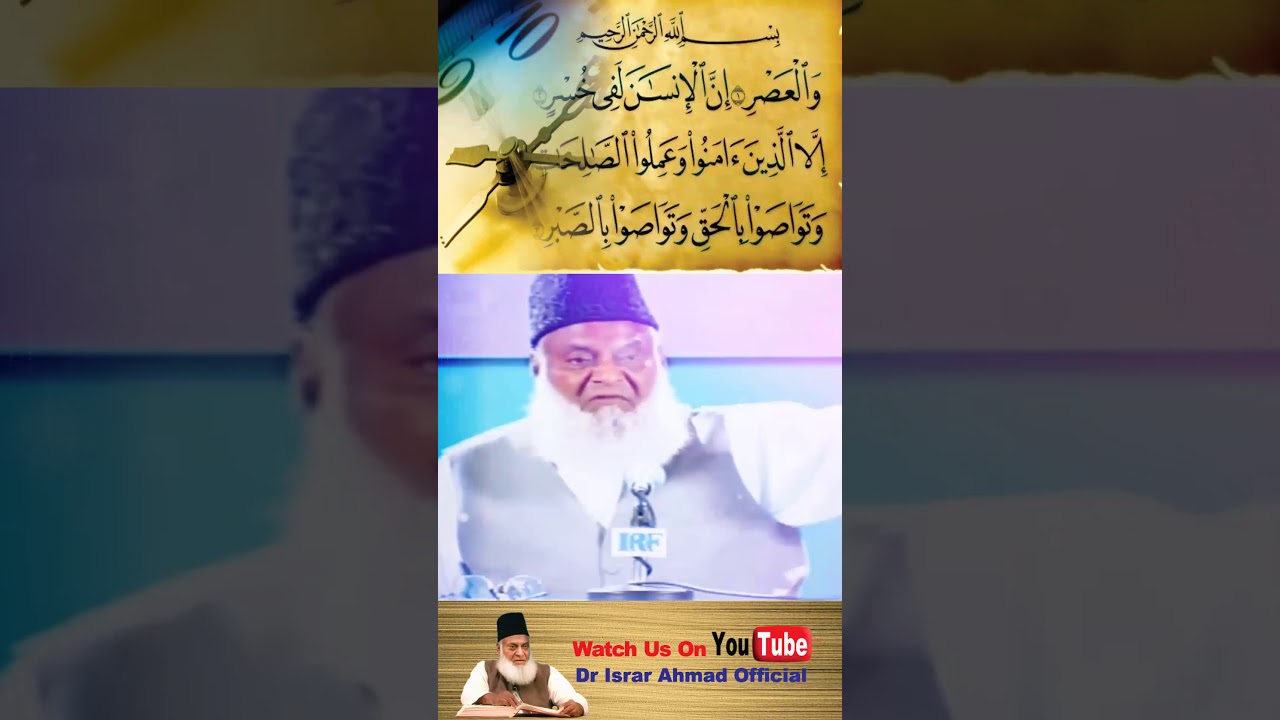
Humanity, universally, is in loss. Salvation is achieved through four essential conditions: faith, righteous deeds, advocating truth, and encouraging good conduct. These are not merely recommendations, but fundamental requirements for achieving deliverance. Without fulfilling these conditions, true salvation remains unattainable. This lecture details these prerequisites for spiritual success and a meaningful life.
217
