Shorts

This lecture discusses the grave sin of submitting to any authority other than God. It equates failing to establish a caliphate—a system promised by God—with disbelief, ingratitude, and rebellion. The speaker argues that Muslims must actively strive to fulfill this divine promise, or risk spiritual ruin. The lecture draws a parallel between this failure and the disobedience of Iblis, highlighting the seriousness of rejecting God's ordained system of governance. It serves as a warning against complacency and a call to action for the Muslim community.

56
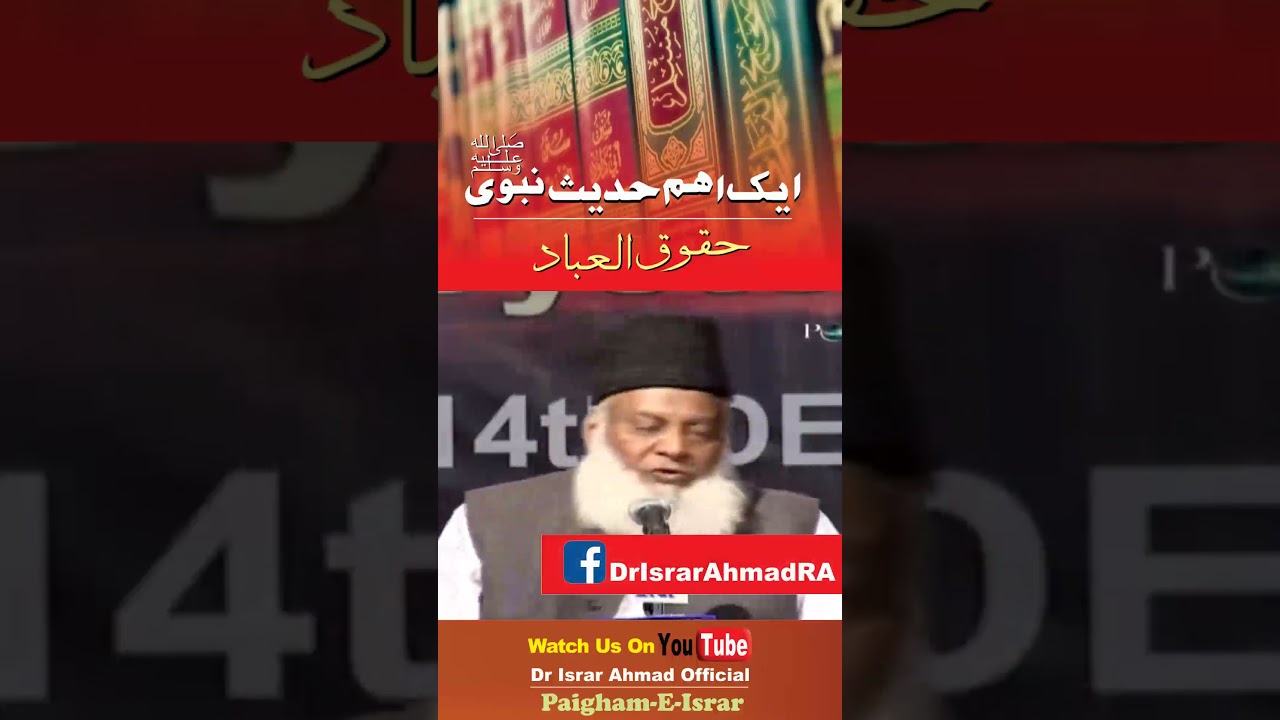
The Prophet Muhammad (peace be upon him) once asked his companions about bankruptcy. They defined it as a lack of wealth. The Prophet corrected them, stating the true bankrupt in his nation will be the one who comes with a large number of prayers, fasts, and pilgrimages, but also with the burdens of having wronged others – having insulted someone, unjustly taken their wealth, or falsely accused them. On the Day of Judgment, these wronged individuals will present their claims, depleting the bankrupt’s good deeds. If the deeds are insufficient, their sins will be transferred to them, leading to their destruction in Hell. This is the true meaning of bankruptcy – a spiritual and moral deficiency.
50

The Prophet Muhammad (peace be upon him) stated that the greatest struggle is the internal battle against one's own base desires (nafs). External enemies are easier to confront; the true enemy resides within. This internal struggle, or *jihad*, against the commanding self is the most virtuous form of worship. The Prophet clarified that the most excellent form of *jihad* is striving against one’s *nafs* in obedience to God. This lecture explores the profound significance of self-discipline and spiritual refinement.
52

This lecture emphasizes the importance of witnesses in both immediate and future transactions, particularly for significant purchases like property. Establishing proof through witnesses avoids disputes and ensures the validity of agreements. The speaker highlights that witnessing a transaction provides legal security and is essential for any substantial deal, safeguarding both parties involved. It’s a crucial step for long-term financial and legal stability.
55

This lecture explains that accountability for evil deeds is direct and proportionate to the harm caused. Conversely, the acceptance of good deeds is contingent upon faith—belief in God, the Day of Judgement, angels, scriptures, and prophets. Giving to relatives, orphans, and the needy are also emphasized as integral aspects of righteous conduct. True piety isn’t merely outward displays of devotion, but sincere belief and action rooted in faith. The core message stresses that actions are judged based on intention and belief.
50
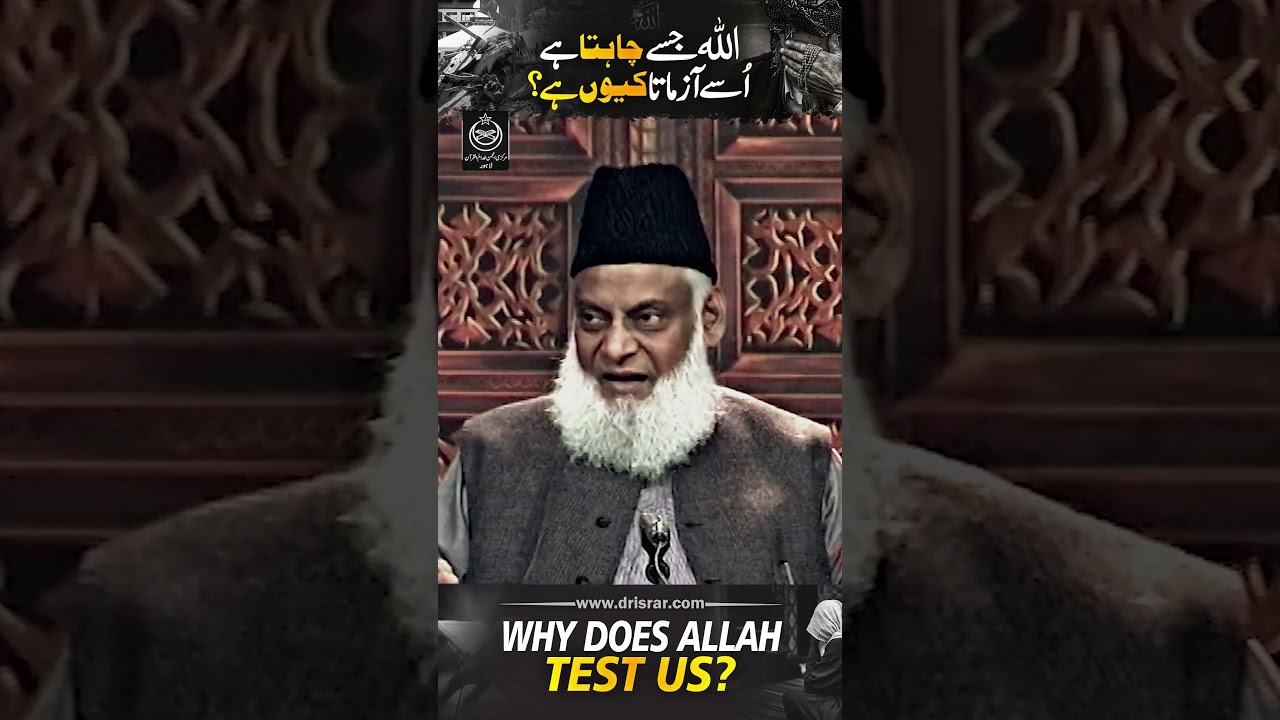
This lecture explores the concept of trials and tribulations as a test of one’s faith. It explains that difficulties and hardships are not merely punishments, but crucial tests to reveal the purity of belief. Just as gold is tested by fire to determine its authenticity, individuals are tested through adversity to expose genuine faith from mere claims. The lecture emphasizes that true believers are revealed through their resilience and steadfastness in the face of hardship, while those with insincere beliefs are exposed. The core message is that trials refine faith and distinguish the sincere from the hypocritical.
50
