מִכְנָסַיִים קְצָרִים
This lecture challenges conventional definitions of success, which often equate it with wealth, property, or business expansion. It asserts that true success lies beyond material possessions and external achievements. The speaker contends that societal perceptions of success are flawed, and genuine fulfillment stems from something deeper than worldly gains. The core message emphasizes a shift in perspective, urging listeners to redefine success based on intrinsic values rather than external metrics.

225
This lecture clarifies the permissibility of continuing to eat and drink until the white thread of dawn becomes distinctly separate from the black thread of night. It addresses excessive caution observed by some regarding the timing of *suhoor*, emphasizing that one can complete their meal even after the call to prayer. The speaker explains that the period of fasting begins at sunset and ends with the start of a new day, and that strict adherence to precise timing isn’t necessary, citing the Prophet’s allowance for finishing a drink even after the *azaan*. The emphasis is on the blessing in consuming the pre-dawn meal and avoiding unnecessary rigidity in its observance.
53
This lecture emphasizes the inseparable connection between faith and action. It asserts that a person who habitually breaks small promises is unlikely to fulfill larger, lifelong commitments. True faith and consistent action are intrinsically linked; one cannot exist without the other. The speaker highlights that faith without practical manifestation is incomplete, and consistent action without a foundation of faith is unsustainable. This bond is fundamental to a meaningful life and fulfilling one's purpose.
46
This lecture emphasizes the necessity of establishing a complete Islamic system of life, ensuring that divine law governs all aspects of society, including the legal and parliamentary systems. It argues that adherence to the Quran and the teachings of the Prophet Muhammad is crucial for societal well-being and that neglecting these principles leads to spiritual and societal decline. The speaker stresses that Islam is intended to be a dominant force for good, not to be subjugated, and highlights the importance of unwavering commitment to its principles, even in the face of opposition. The discussion also addresses the historical context of divine scriptures and the consequences of deviating from them.
56
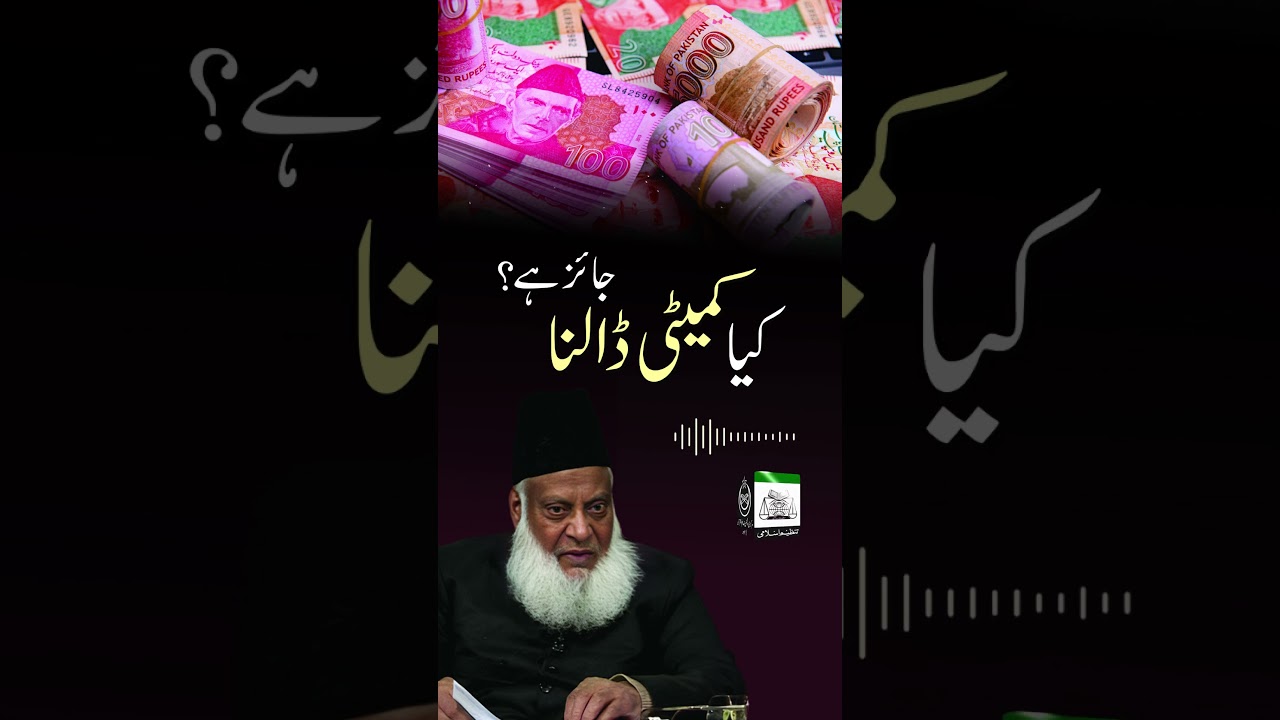
This lecture discusses the permissibility of a mutual aid system (Imdad Bahawi) specifically for financing Hajj pilgrimage or fulfilling other needs. The system involves contributions from members, and a lottery or similar method determines the order in which members receive funds. It's explained that this is not considered interest-based, as members are simply pooling their resources and receiving funds back in a predetermined order. The lecture highlights the benefit of receiving a lump sum of money, enabling recipients to pursue business ventures or fulfill essential needs.
58

This lecture details the practice of Itikaf, observed during the last ten days of Ramadan. It begins on the twenty-first night, immediately after the twentieth night concludes, and continues until the new moon of Shawwal is sighted, marking the end of Ramadan and the beginning of Eid. The discussion focuses on the proper method and significance of this devotional retreat.
163
