Kratke hlače

Islam is founded upon five pillars: the declaration of faith (belief in one God and the prophethood of Muhammad), the performance of prayer, the giving of charity (Zakat), fasting during Ramadan, and pilgrimage to Mecca for those who are able. These five pillars constitute the core of Islamic practice and belief, forming the foundation upon which the religion stands.

73

The most crucial element is religious knowledge. Despite an abundance of information and scholars today, a deficiency exists not in knowledge itself, but in conviction, faith, and—most importantly—deep understanding and application (fiqh). Mere accumulation of facts without insightful comprehension holds little value. The core issue isn’t a lack of information, but a lack of faith, certainty, and the ability to derive practical wisdom from knowledge.
66
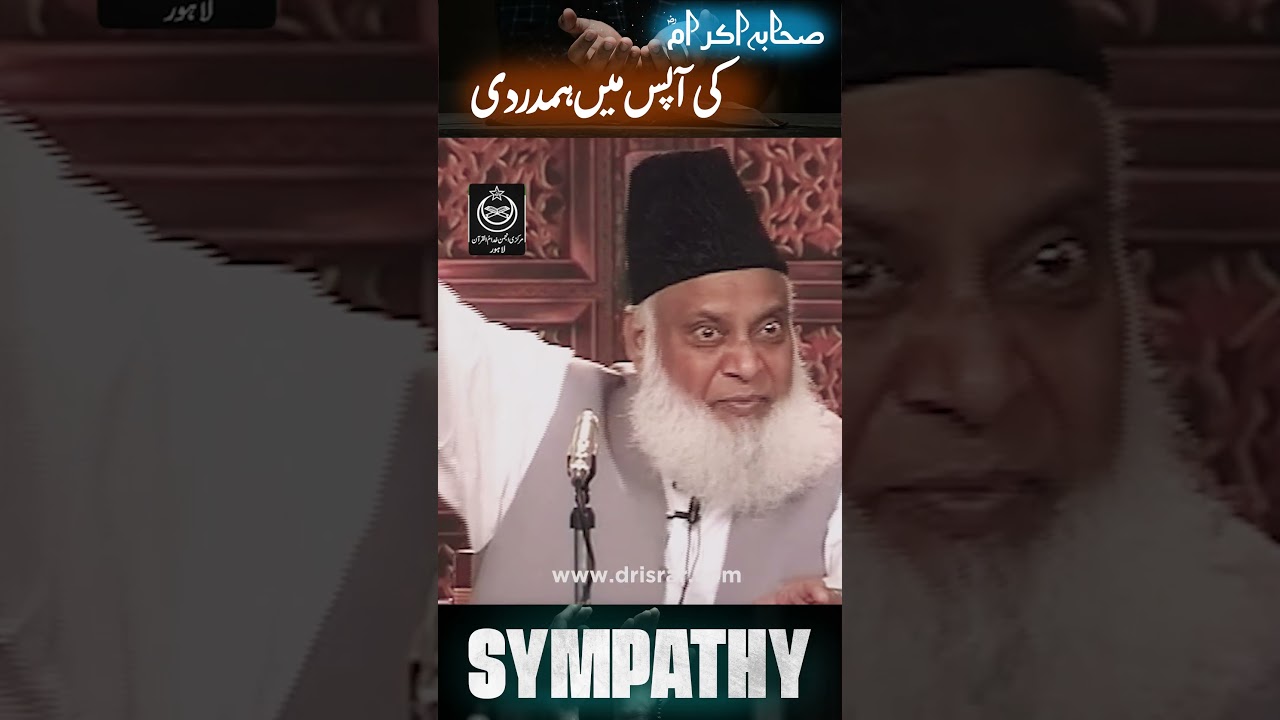
This excerpt details a poignant scene from the Battle of Uhud. Following intense fighting and significant casualties, a water carrier arrives to offer relief to the wounded. The narrative focuses on the selfless prioritization of others, even in extreme pain and distress. Multiple injured soldiers call out for water, but the carrier is repeatedly directed to serve those more critically wounded. The story culminates in the tragic passing of the water carrier himself, highlighting the immense sacrifice and the fragility of life during battle. It underscores themes of compassion, selflessness, and the acceptance of fate in the face of mortality.
53

The current system and its laws perpetuate injustice, widening the gap between the rich and the poor. Wealth accumulates with the privileged while the vulnerable remain oppressed. This system actively supports and protects ill-gotten gains, offering no benefit to those who are truly needy. The laws themselves are designed to uphold a flawed system, ensuring its continuation. Fundamental change requires reform of both the system and the laws governing it.
32
Life is a continuous progression towards death, with each heartbeat bringing us closer to our graves. The value of time is paramount, and the heart should be refined and improved with every passing moment. This lecture emphasizes the importance of recognizing life’s fleeting nature and striving for spiritual betterment. It underscores that improving oneself – refining the heart – is the most valuable use of the time we are given, as time itself is constantly moving towards its inevitable conclusion. Each beat of the heart is a reminder of our mortality and an opportunity for self-improvement.
45
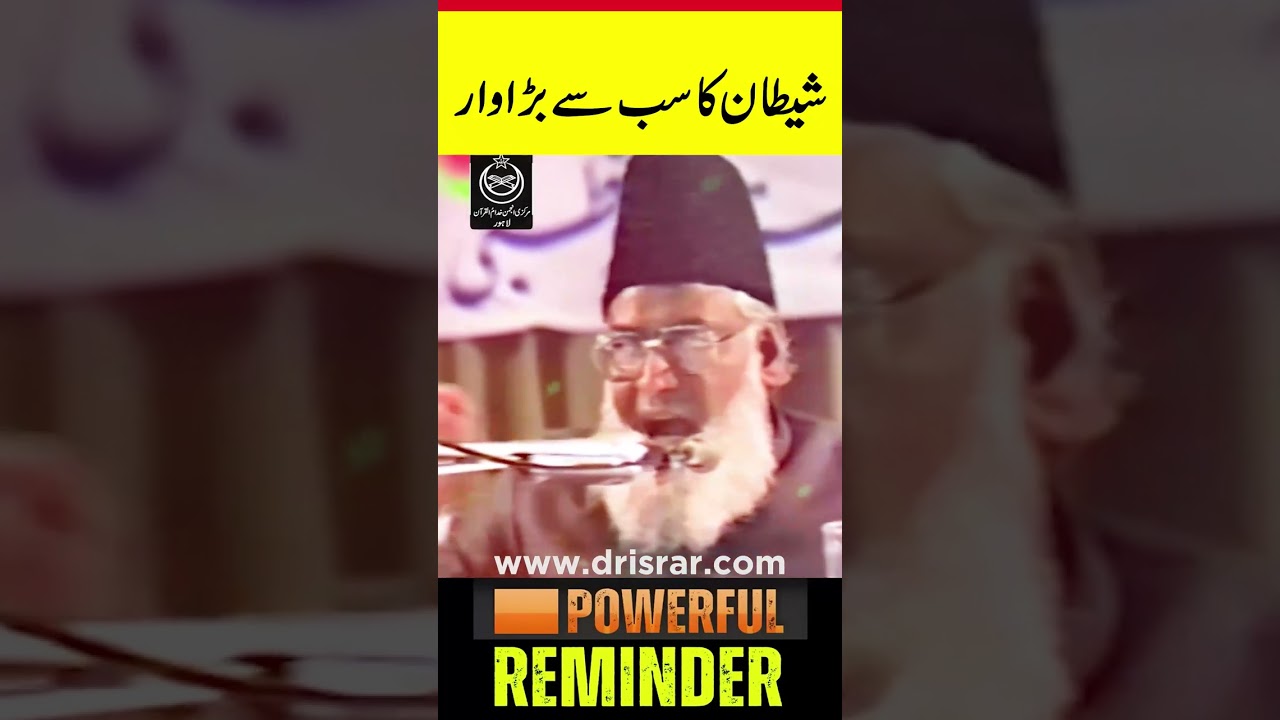
This lecture details the deceptive nature of Satan, explaining how he operates beyond human perception. It highlights that Satan’s influence extends to every aspect of human life, subtly impacting thoughts and actions. The discussion emphasizes that Satan doesn’t require effort to maintain his influence; his work progresses autonomously. Instead, his focus is on disrupting those who actively resist his temptations, particularly those striving for spiritual growth. The lecture underscores that Satan targets vulnerable points within individuals, seeking to sever their connection with faith and righteousness, while his followers continuously work to advance his aims.
41
