Шорты
This lecture explores the concept of aligning one’s life entirely with the will of God. It emphasizes that true devotion involves surrendering all aspects of existence – prayer, sacrifice, life, and death – to the divine. The speaker argues that when life is dedicated to God, it transcends earthly pursuits and becomes a source of spiritual strength. Material means and worldly endeavors should become secondary to this divine connection, and individuals should strive for a life of complete submission and purpose. The ultimate goal is to have one's heart filled with reverence for God.

51
This lecture emphasizes that propagating the message of Islam is no longer the sole responsibility of prophets, but a collective obligation incumbent upon the entire Muslim community. It argues that Muslims must actively convey the faith through their actions and outreach, becoming living examples of its principles. Failure to do so will result in a negative testimony on the Day of Judgment, with the community being held accountable for not upholding the legacy of the Prophet. The speaker stresses that establishing a clear argument for faith before all of humanity is a fundamental duty, requiring dedication of resources and abilities to effectively spread the message of Islam.
219
Dr. Israr Ahmad unequivocally states that the 20th century’s greatest Islamic thinker was a lover of God and a herald of the revival of the Muslim community. He wasn’t merely aware of this revival, but actively foretold it, specifically predicting the resurgence of the Hashemite lineage. He proclaimed the imminent arrival of a book for the pure community, and a great leader from the Hashemite lineage. He was, therefore, both a scholar and a prophet of this revival, and most importantly, a beacon of the second Islamic era.
53
علامہ اقبال نے برعظیم پاک و ہند میں ایک علیحدہ مسلم مملکت کے قیام کی تین بنیادی وجوہات بیان کی ہیں۔ اول، یہ متحدہ ہندوستان میں مسلمانوں اور ہندوؤں کے درمیان جاری کشمکش کا واحد حل تھا۔ دوم، اس مملکت کے ذریعے مسلمانوں کو اسلام کا حقیقی نظام، جو محمد عربی صلی اللہ علیہ وسلم نے قائم کیا تھا، بحال کرنے کا موقع ملے گا۔ یہ نظام خلافت راشدین پر مبنی ہے، جو ملوکیت کے دور میں فراموش ہو گیا تھا۔ سوم، اقبال نے کہا کہ پاکستان، بھارت کا سب سے بڑا محافظ ثابت ہوگا۔ انہوں نے کہا کہ یہ ملک شمال مغربی سرحد پر بھارت کی حفاظت کرے گا۔
45
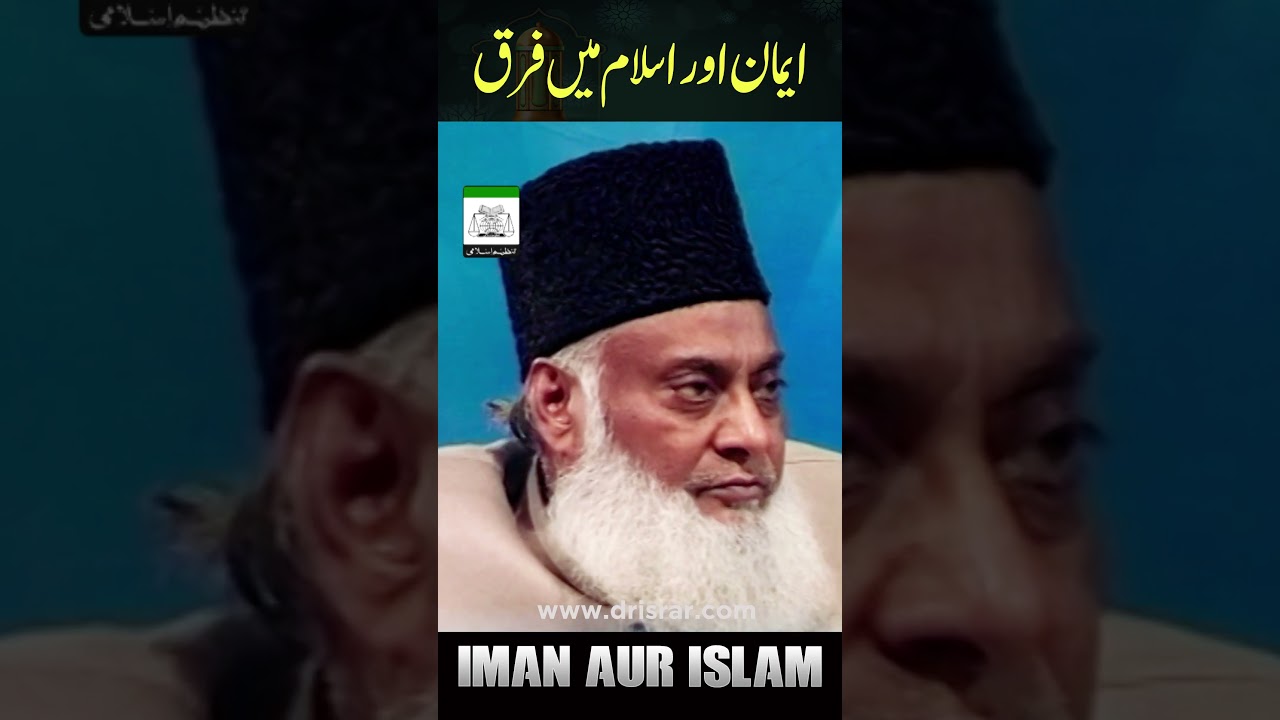
This lecture clarifies the nature of faith (Iman) in Islam. It distinguishes between the declaration of faith – the verbal profession of ‘La ilaha illallah Muhammadur Rasulullah’ – and the inner conviction of the heart (yaqeen-e-qalbi). The speaker explains that simply being born into a Muslim family or joining a community adopting Islam does not automatically equate to true faith. True faith necessitates a deep, internal certainty. The initial declaration establishes a legal status of being a Muslim, but genuine belief requires a conviction within the heart. This discussion emphasizes the difference between outward profession and inward acceptance.
62
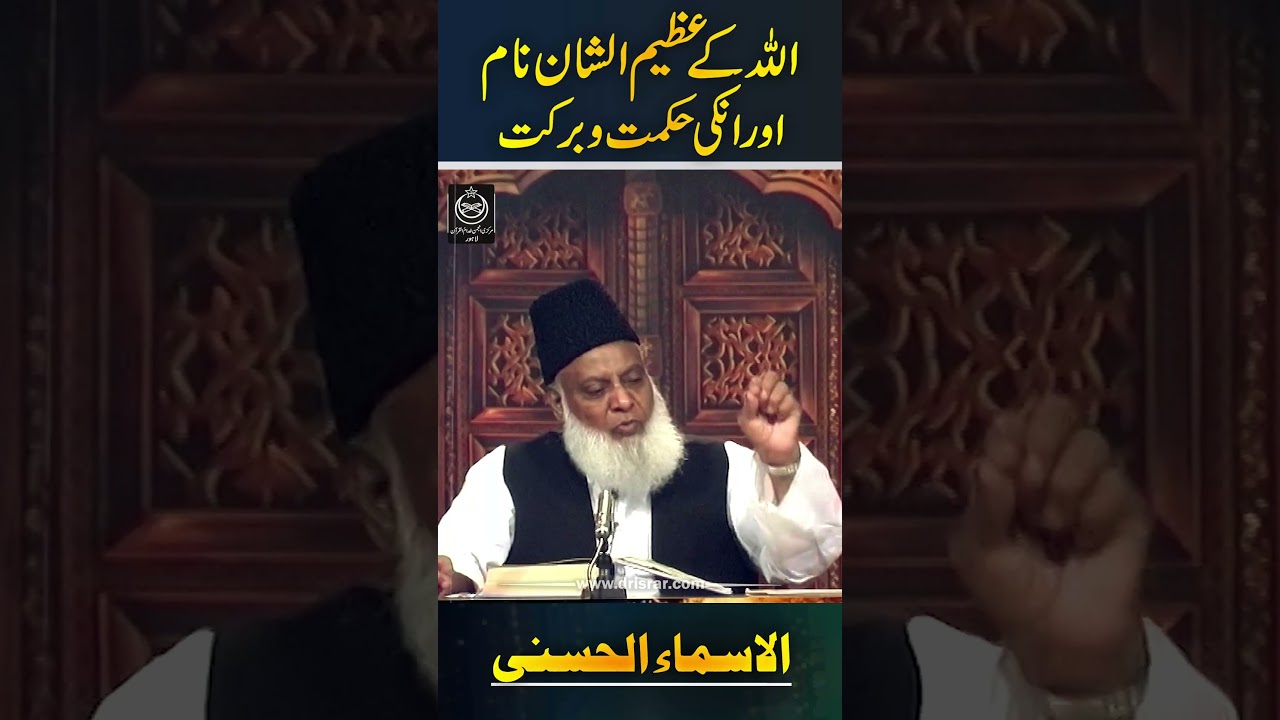
This lecture explores the absolute sovereignty of Allah, contrasting it with earthly kingship where power is often susceptible to corruption. It highlights that Allah’s authority is unchecked by any external force, but is governed by His perfect wisdom. The discussion draws parallels with the story of Pharaoh in Surah Momin, illustrating how even a self-proclaimed god faced limitations due to internal dissent and the inherent flaws of absolute power. The lecture emphasizes that Allah’s absolute authority is balanced not by external checks, but by His complete and perfect wisdom, ensuring just and equitable decisions.
71
