निकर
Humanity has descended to an animalistic level, disconnecting from its inherent spiritual nature. Individuals have ceased to perceive, reflect, and truly listen, relying instead on base instincts. While endowed with a divine spark and soul, modern humans, particularly influenced by Darwinian thought, now identify solely with their biological existence. This ideology, initially confined to biology and largely discredited there, has permeated the social sciences, leading to a loss of awareness of the divine element within. This lecture explores the consequences of this spiritual decline and the importance of reclaiming our inherent humanity.

66
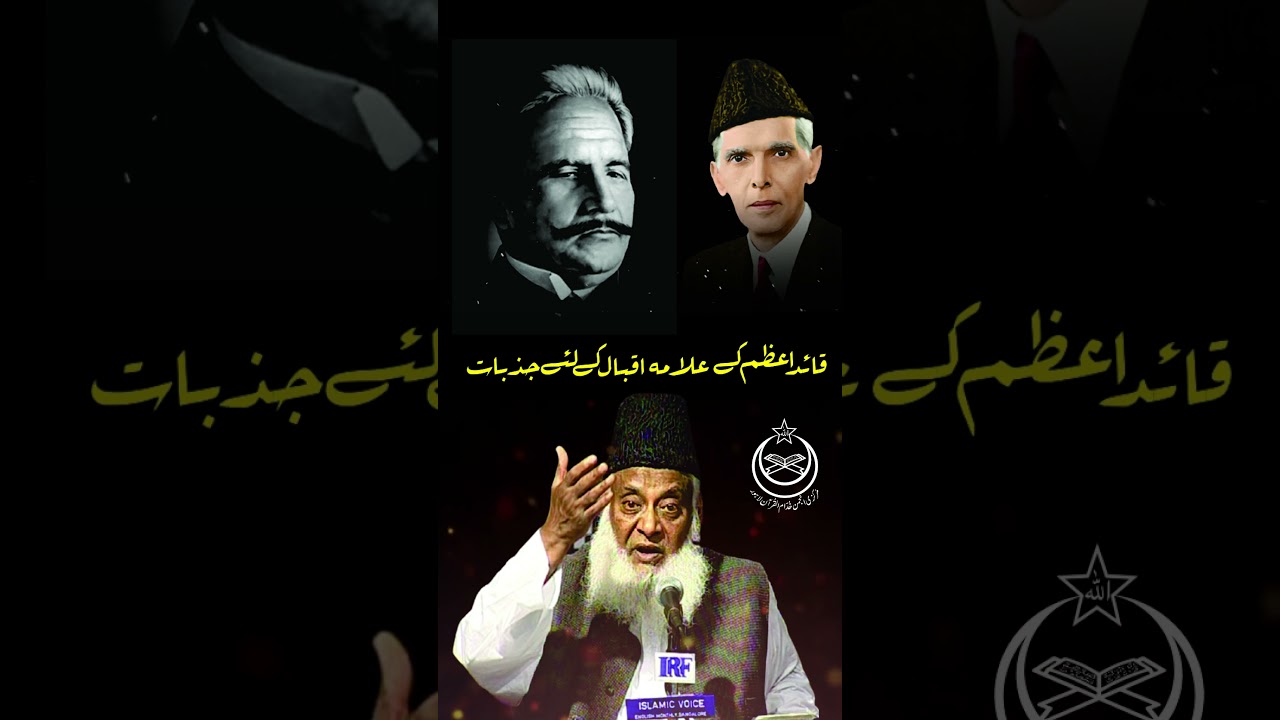
This lecture discusses the precise and deliberate manner of speech employed by Muhammad Ali Jinnah. It highlights that Jinnah was not one to engage in frivolous talk, but rather carefully considered each word before speaking. The speaker emphasizes Jinnah's commitment to accuracy and thoughtfulness in his communication, contrasting it with superficial rhetoric.
76
This lecture explores a specific supplication frequently recited by the Prophet Muhammad (peace be upon him) during his Tahajjud prayers. The core message centers on affirming the truth of Muhammad, the Quran, and Prophethood itself. The speaker emphasizes that repeatedly internalizing these truths is essential for strengthening one’s faith. Genuine belief isn't merely intellectual assent but a deeply ingrained conviction within the heart, forming the very foundation of true faith. The lecture stresses that this consistent affirmation cultivates a robust and unwavering certainty.
83
This lecture explains the collective responsibility of the Muslim community to propagate the message of Islam, building upon the prophetic mission. It emphasizes that after the finality of prophethood, this duty falls upon the entire Ummah. The core message is to first reconnect with faith and then extend its invitation to family, close relatives, and ultimately, all of humanity. The lecture highlights the importance of a collective strength within the Ummah to effectively convey the message and protect themselves and others from divine punishment. It stresses the need to prioritize personal and familial faith before extending outreach to a wider audience, echoing the Quranic instruction to warn close relatives first.
51

This lecture emphasizes that all expenditure on children should be considered a fulfillment of one’s responsibility to them, not an investment expecting a return. True reward and reliance should be placed solely with Allah. Effort dedicated to the service of Islam is the only work for which one can expect a genuine and reliable recompense. The lecture clarifies that seeking reward from anyone other than Allah is misguided.
50
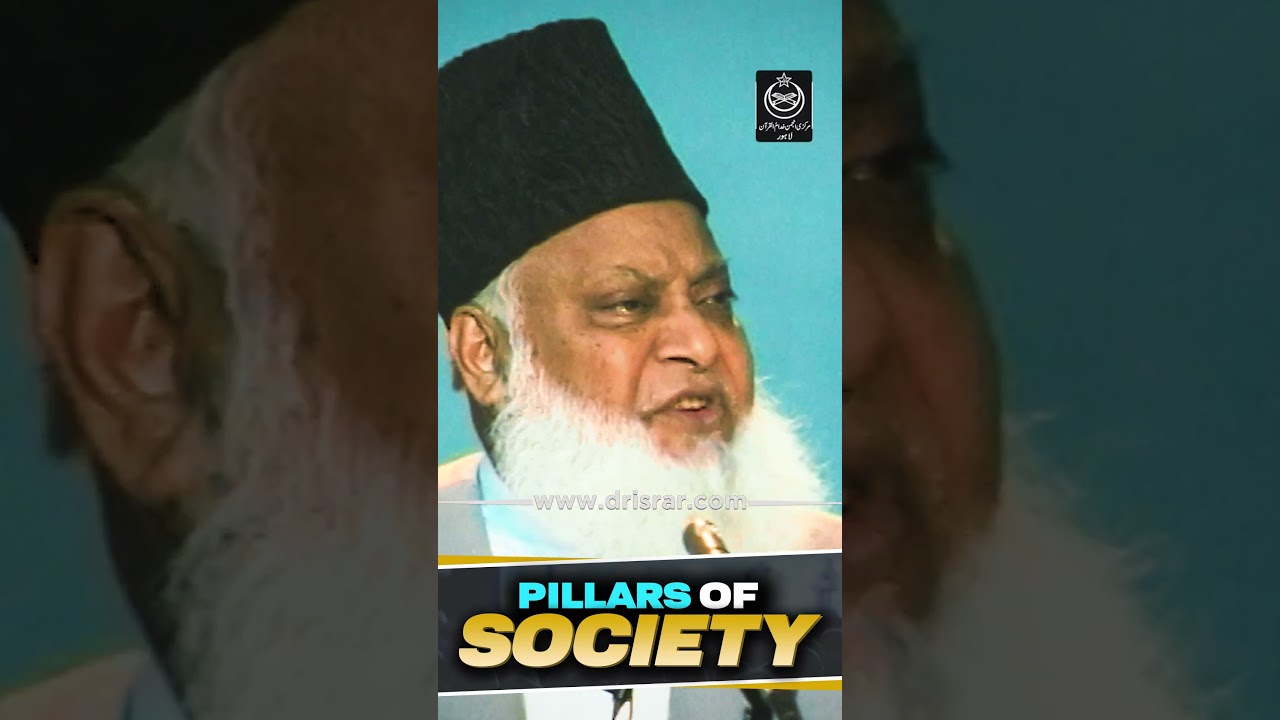
This lecture analyzes the power dynamics within a political system, asserting that media, particularly television, has become a dominant force, exceeding the influence of the traditional fourth estate. It argues that media outlets, especially those controlled by specific interests, shape public opinion and restrict independent thought. The speaker contends that this control effectively holds the nation hostage, dictating beliefs and perspectives. The analysis ultimately suggests a reduction in the pillars of power from four to three – the executive, judiciary, and legislature – due to the manipulative power of modern media.
45
