Shorts

Humanity has descended to an animalistic level, disconnecting from its inherent spiritual nature. Individuals have ceased to perceive, reflect, and truly listen, relying instead on base instincts. While endowed with a divine spark and soul, modern humans, particularly influenced by Darwinian thought, now identify solely with their biological existence. This ideology, initially confined to biology and largely discredited there, has permeated the social sciences, leading to a loss of awareness of the divine element within. This lecture explores the consequences of this spiritual decline and the importance of reclaiming our inherent humanity.

66
This lecture clarifies that sustenance, despite all effort—farming, labor, protection of harvest, and processing—is fundamentally a blessing from Allah. It emphasizes that while humans exert effort, the actual provision is divine grace, differing from merit-based reward. True reward (qasab) applies to actions judged by morality; good or evil. Sustenance, however, is a gift given without expectation of deserving it, highlighting its status as a divine blessing.
67
This lecture explores the unique responsibility of the final messenger and the final nation (Ummah). It emphasizes that while other nations historically lived for their own interests and glory, this nation’s purpose is to live for the world, striving for guidance and leaving a lasting legacy. The speaker highlights a concern that the Muslim community has forgotten its mission and questions whether it will fulfill its role of disseminating truth and knowledge. It is a call to action, urging self-reflection and a renewed commitment to the core principles of Islam.
57
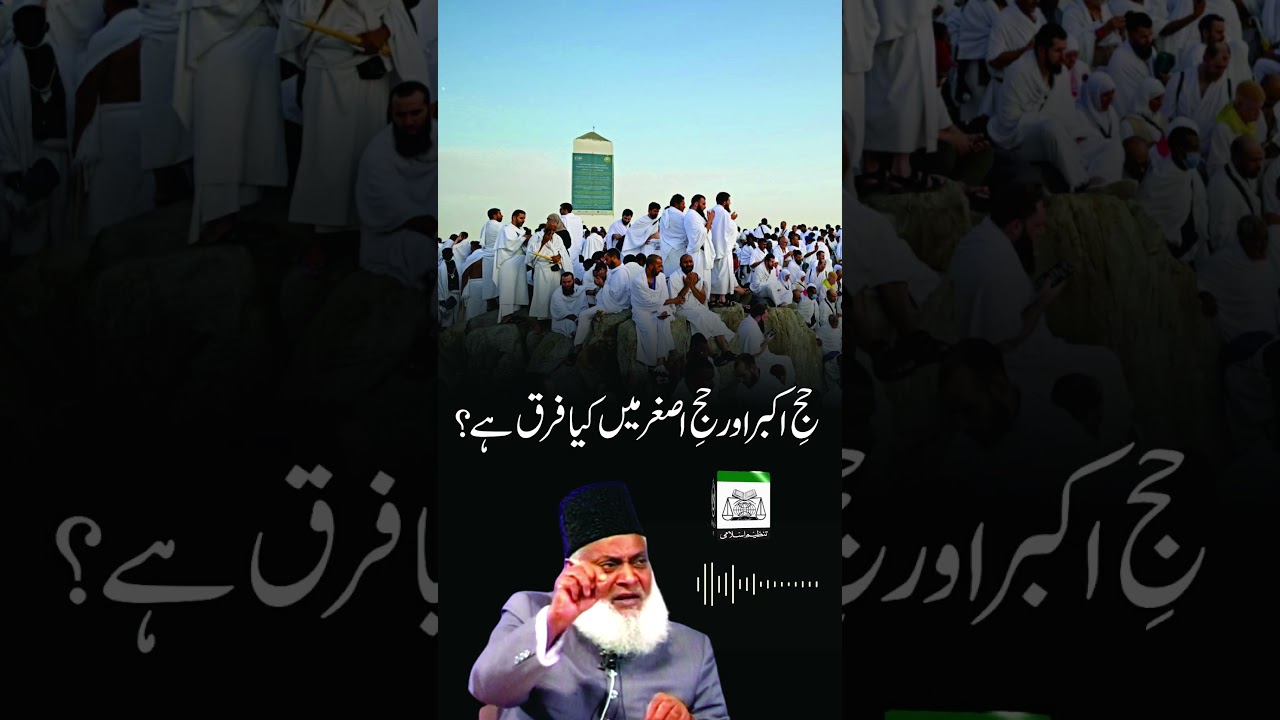
The common misconception that performing Hajj on a Friday is ‘Hajj Akbar’ is inaccurate. Originally, Arabs designated ‘Hajj Asghar’ for Umrah and ‘Hajj Akbar’ for the complete Hajj pilgrimage. The core meaning of ‘Hajj’ is intentional travel or journeying. Therefore, traveling for Umrah also constituted a ‘Hajj,’ albeit a lesser one. The Hajj performed during the designated days in Mecca is considered ‘Hajj Akbar.’ There is no additional merit to performing Hajj specifically on a Friday.
115

The Prophet Muhammad (peace be upon him) defined true impoverishment not as a lack of wealth, but as a lack of spiritual and moral capital. On the Day of Judgement, individuals may arrive bearing the outward signs of piety – prayers, fasts, pilgrimage, and charity – only to find their rewards diminished due to past injustices. Those harmed by their wrongful actions – through slander, false accusations, or violations of rights – will present their claims, and the offender's good deeds will be allocated to compensate the victims. This lecture highlights the critical importance of earning wealth and performing religious obligations through lawful means, emphasizing that true prosperity lies in righteous conduct and the preservation of others’ rights.
56
This lecture discusses the two central acts of worship in Ramadan: fasting during the day and standing in prayer (Tahajjud) at night. Fasting is obligatory, while Tahajjud, although highly encouraged and rewarded, is not compulsory. The speaker explains that while the Prophet Muhammad (peace be upon him) observed Tahajjud as a regular practice akin to an obligation, it remains optional for the general Muslim population. Those who perform Tahajjud will receive a high status with Allah. The emphasis is on voluntary devotion and the blessings within Ramadan’s nights.
72
