Шорты
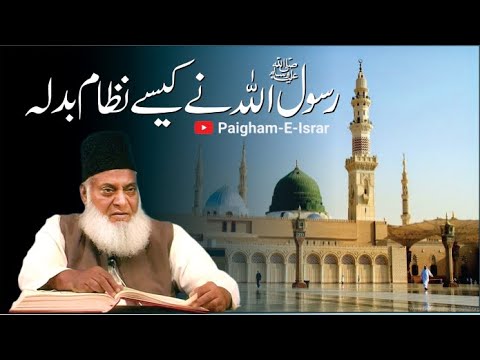
Dr. Israr Ahmad discusses the true nature of revolution as exemplified by the life of the Prophet Muhammad (peace be upon him). He emphasizes that genuine change doesn’t come through mere promises or superficial reforms, but through a comprehensive process of spiritual purification (tazkiya), organization, and unwavering commitment to establishing justice. He explains that this involves a disciplined, morally upright society prepared to challenge oppressive systems and establish a just order, guided by divine principles. He highlights the historical attempts at reform and the necessity of a strong, dedicated leadership committed to implementing Islamic principles in all aspects of life. The lecture also touches on the difference between implementing Sharia at a micro and macro level, and the historical precedent of Sharia being implemented for over a thousand years.

61
This lecture clarifies the Islamic concept of *mahram* (permanently unmarriageable relatives). It explains that a *mahram* is someone with whom marriage is absolutely prohibited in any circumstance. The discussion details that a sister’s sister is a *mahram*, but if a wife passes away, marriage to her sister becomes permissible. Similarly, a brother’s wife (*bhabi*) is a *mahram*, but marriage is allowed after the brother's death. The core point is establishing who constitutes a permanent, unmarriageable relation versus a temporary one.
58
The loss of modesty (hayā) correlates directly with a decline in faith (īmān). This internal restraint, a natural human quality instilled by God, protects individuals from immoral acts. When this protective barrier is removed through sin, such as adultery, internal restrictions dissolve, leading to unrestrained behavior and a visible deterioration of character. The natural human quality of modesty is an integral part of faith; its absence reveals inner corruption, much like the discharge from a festering wound.
57
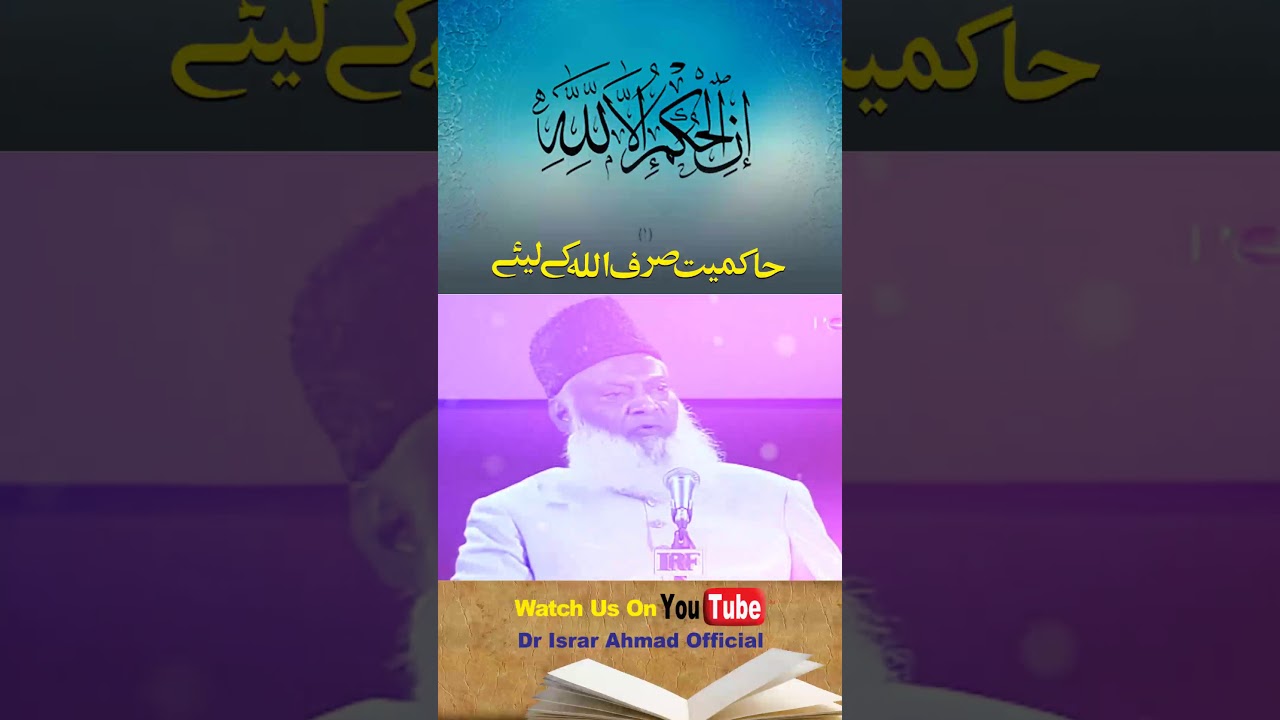
This lecture emphasizes that ultimate authority and governance rest solely with God. It asserts that God does not share His power with any individual, ruler, nation, or humanity as a whole. The universe and the earth belong to God, and His will must prevail. This principle of divine sovereignty is absolute and unwavering, rejecting any form of shared authority or human intervention in matters of governance.
329
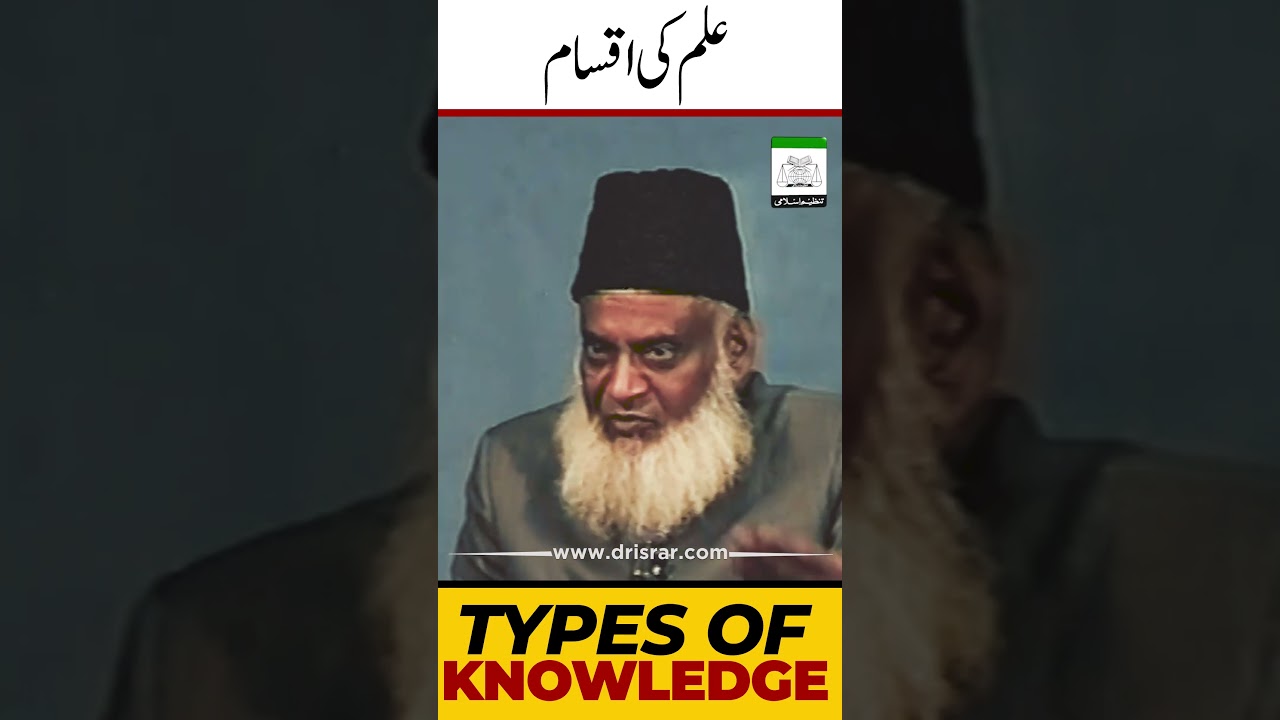
This lecture explores the dual nature of knowledge: revealed guidance and knowledge acquired through human senses and intellect. It emphasizes the responsibility of utilizing these faculties to understand the universe, analyze phenomena, and draw conclusions. The speaker highlights the importance of observation, rational thought, and the pursuit of truth through both spiritual insight and scientific inquiry. The lecture stresses that humanity has been gifted with senses, perception, and intellect and will be held accountable for their proper use in unraveling the mysteries of existence and applying that knowledge for betterment.
84
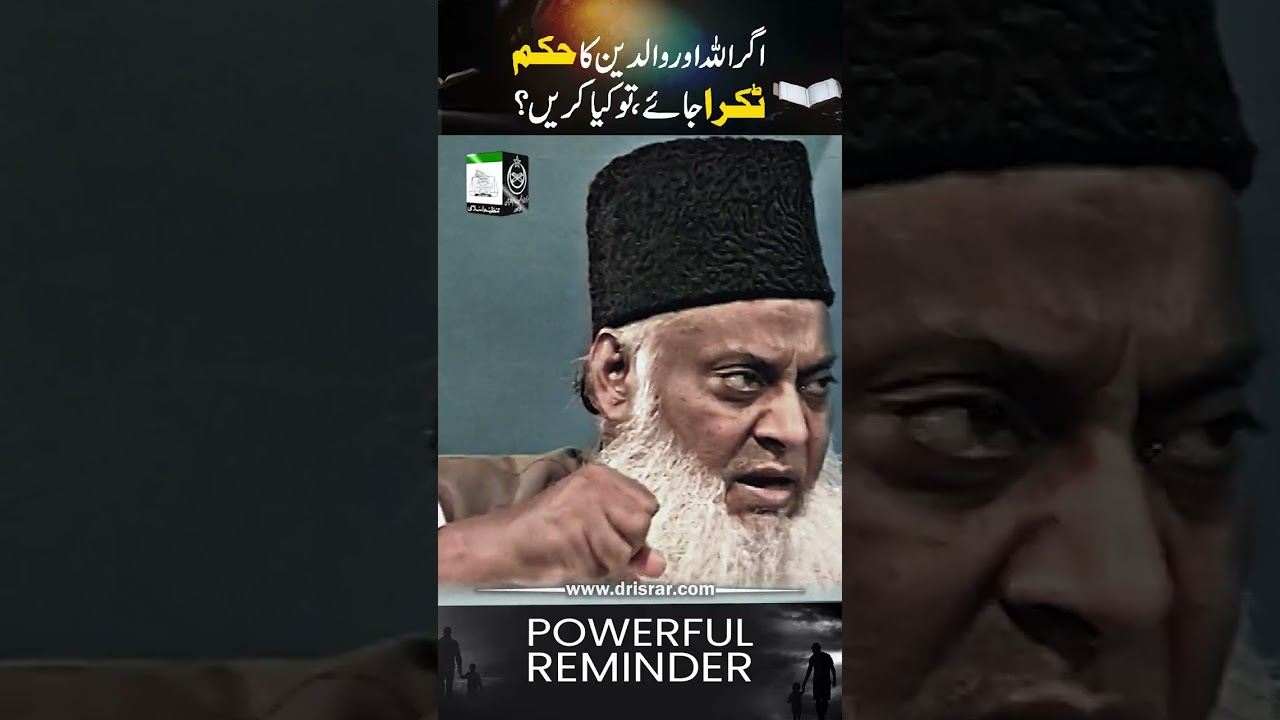
This lecture addresses the complex situation when parental demands conflict with divine commands in Islam. It clarifies that while parents hold a significant position of respect and obedience immediately after God, God’s commands take precedence. The speaker emphasizes that a son or daughter should respectfully but firmly explain their limitations, drawing parallels to the example of Prophet Ibrahim (Abraham), and avoid yielding to demands that involve disobedience to God. Maintaining respectful communication and soft persuasion are encouraged, but unwavering adherence to God’s commands is paramount.
51
