شارٹس

Maintaining sincerity in good deeds requires constant self-monitoring and deliberate practice. The speaker emphasizes performing acts of charity and worship discreetly, concealing them even from close family, to cultivate genuine sincerity. This consistent practice strengthens the habit of performing good deeds solely for the pleasure of God, rather than seeking recognition or reward. By consistently prioritizing intention and concealing good deeds, one can solidify a habit of sincerity and avoid hypocrisy.

38

Dr. Israr Ahmad explains that the greatest form of *jihad* is the struggle against one’s own base desires (*jihad e nafs*), achieved by dedicating oneself to God. This internal struggle protects against worldly temptations that constantly demand attention and resources. He contrasts this with physical *jihad* – fighting in the path of God – which, while important, is considered a lesser form of struggle. The constant internal demands of the *nafs* are portrayed as a relentless pursuit of material possessions and immediate gratification. Overcoming these internal pressures constitutes the superior *jihad*.
47
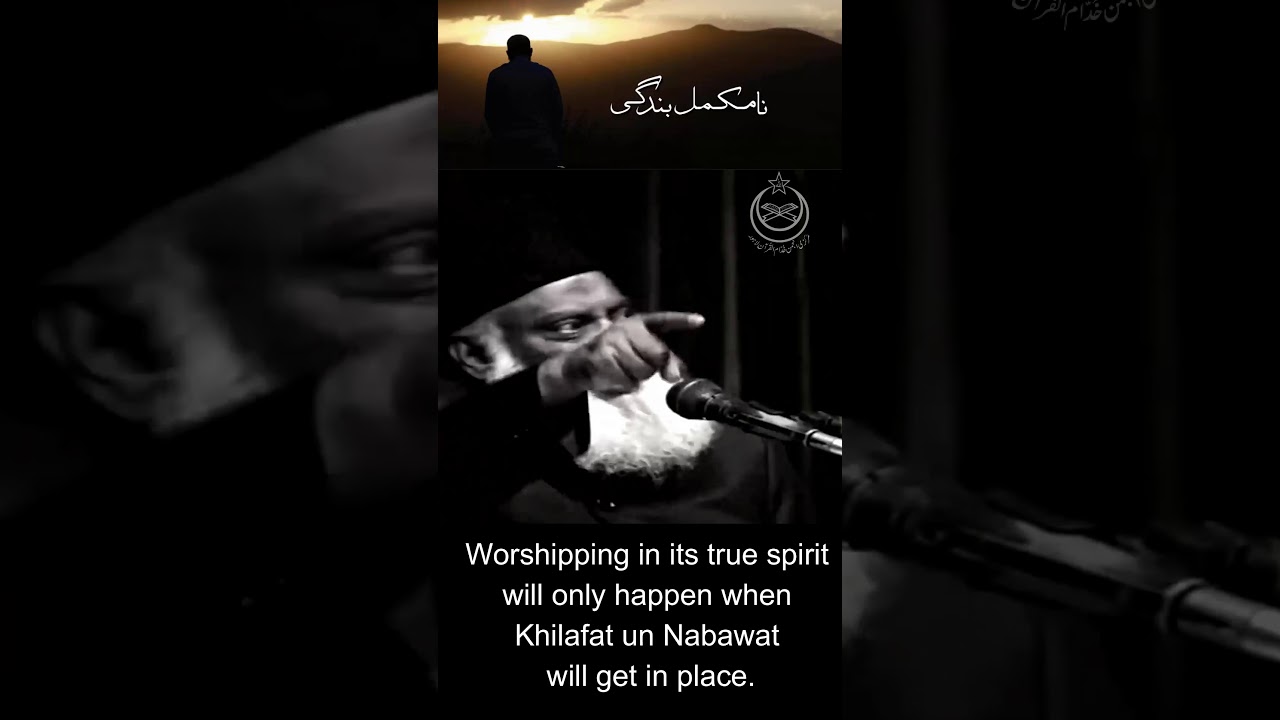
This lecture emphasizes that complete devotion to God requires the establishment of a caliphal system mirroring the Prophetic methodology. Without it, adherence to divine law is incomplete. The speaker highlights the necessity of implementing all of God’s commands, including legal penalties, to achieve true worship. Current selective obedience, mixing divine and man-made laws, constitutes *shirk* (associating partners with God). Complete worship and obedience will only be realized with the restoration of a rightly guided caliphate, ensuring exclusive devotion to God.
175

True goodness originates from faith, manifesting as sincere intention and the pursuit of Allah’s pleasure. This involves acting with love for God and ensuring actions are righteous and beneficial. The most prominent expression of goodness is selfless service to humanity, driven by compassion. This includes prioritizing support for family, orphans, the poor, travelers, those in need, and freeing the oppressed. Good deeds are not merely for worldly reward, but for eternal recompense.
56
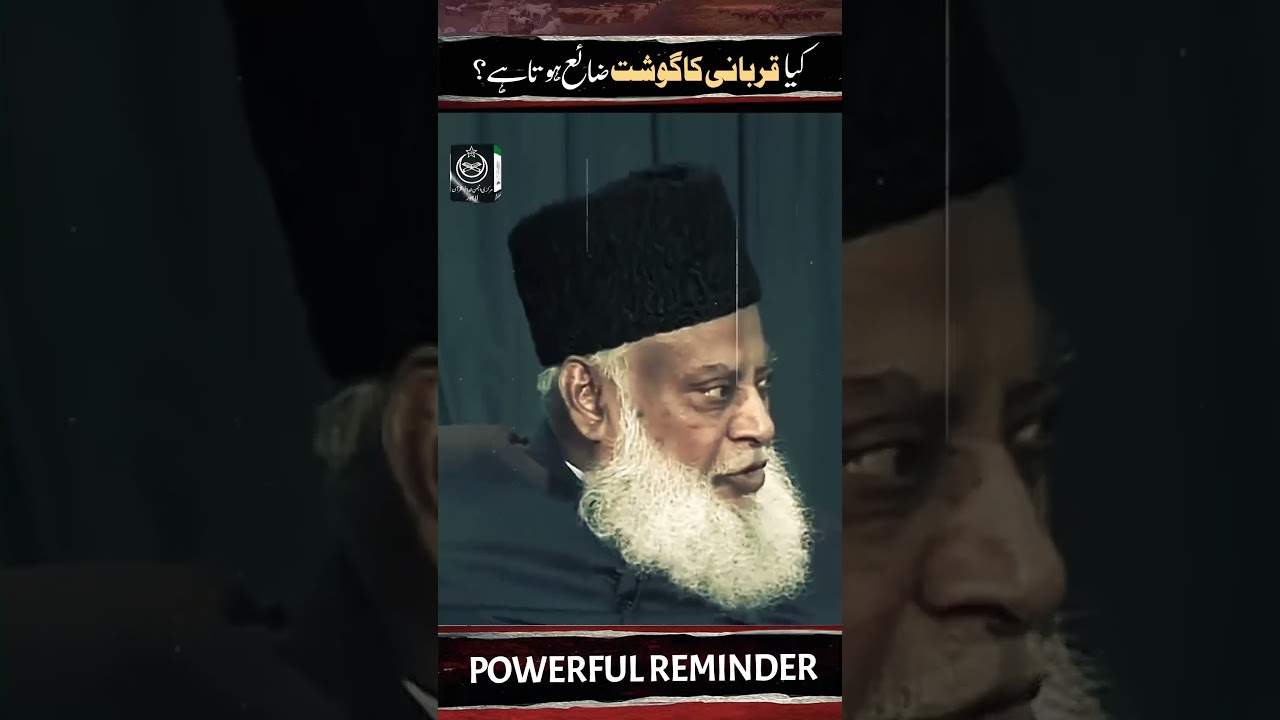
This lecture discusses the historical and economic benefits of sacrificial meat (Qurbani) in a specific region. It highlights how, traditionally, communities utilized every part of the animal, ensuring no waste. The speaker details how this practice provided a livelihood for local herders and a year-round meat supply for residents. The lecture contrasts this sustainable system with modern practices and argues against claims of wastefulness, emphasizing the economic support Qurbani provided to the community. It describes a time when communities thrived due to the efficient use of resources from the sacrificial animals, providing economic stability for local residents and herders. The lecture points out that Qurbani was not merely a religious ritual but a crucial element of the local economy.
89

Maintaining sincerity in good deeds requires constant self-monitoring and deliberate practice. The speaker emphasizes performing acts of charity and prayer discreetly, without seeking recognition or praise. This cultivates a habit of performing good deeds solely for the pleasure of God, strengthening inner sincerity and ensuring that actions are rooted in pure intention. Consistent, unacknowledged good deeds become ingrained as a lifelong practice.
69
