Shorts

Maintaining sincerity in good deeds requires constant self-monitoring and deliberate practice. The speaker emphasizes performing acts of charity and worship discreetly, concealing them even from close family, to cultivate genuine sincerity. This consistent practice strengthens the habit of performing good deeds solely for the pleasure of God, rather than seeking recognition or reward. By consistently prioritizing intention and concealing good deeds, one can solidify a habit of sincerity and avoid hypocrisy.

38

The speaker asserts that Pakistan remains systemically and politically subservient to non-Islamic forces, questioning the validity of celebrating independence in such circumstances. He contrasts true Islamic observances – Eid al-Fitr and Eid al-Adha – with celebrations he deems extraneous. He emphasizes that freedom is a significant blessing, yet one that has been largely unappreciated. The speaker urges repentance, seeking forgiveness, and dedicating one’s life to establishing Islam within Pakistan as a genuine expression of gratitude to God for the gift of independence.
67
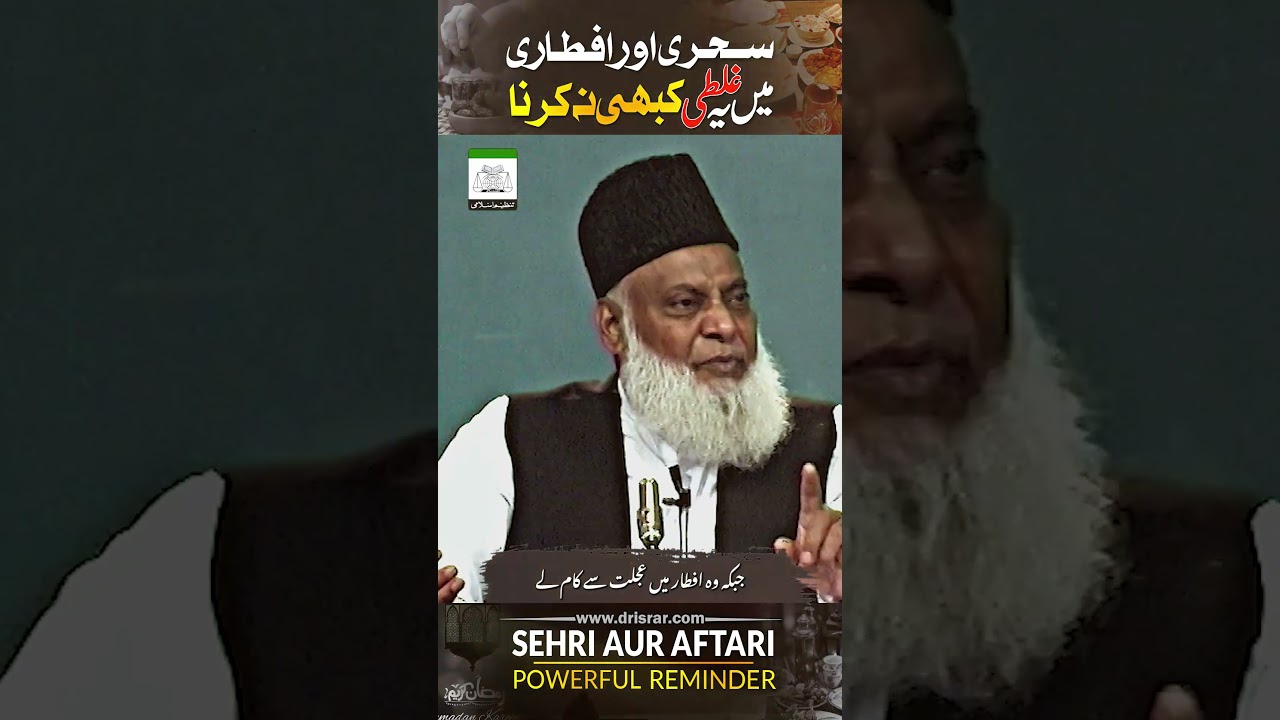
This lecture discusses the proper method of fasting, emphasizing avoiding unnecessary delay in breaking the fast (iftar) after sunset. It discourages rushing the pre-dawn meal (sehri) and highlights the importance of adhering to established timings. The speaker cautions against self-imposed restrictions and anxieties regarding fasting, urging a balanced approach rooted in piety. The discussion also touches upon the permissibility of eating or drinking during the call to prayer (azaan) before dawn.
110
This lecture explores the concept of unwavering commitment to a goal, even in the face of difficulty. It emphasizes that true progress requires consistent effort and striving, not complacency. The speaker highlights that a firm resolve, coupled with persistent struggle, is essential for achieving spiritual and worldly success. The text draws a parallel between a 'firm promise' (pakka wada) and the necessary exertion to fulfill it, suggesting that without dedicated struggle, even a strong commitment remains unrealized. It further connects this principle to the broader context of realizing divine unity and the eventual flourishing of existence.
55
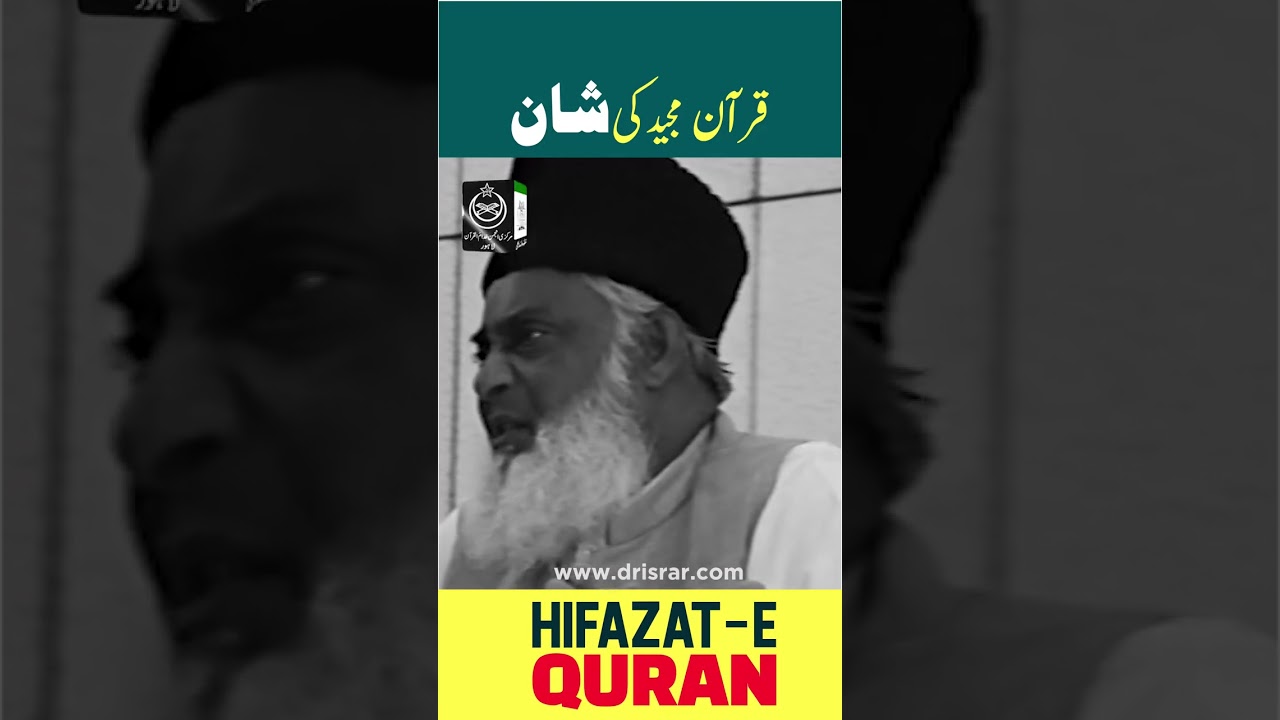
The Quran is uniquely preserved compared to all other texts. The world’s scholars acknowledge this fact. Every letter and pronunciation within the various recorded recitations – Sab’a Qira’at and ‘Ashara Qira’at – is meticulously documented, detailing even the use of *zabar* or *zir* for each word. The official text was standardized by Hazrat Uthman (RA), a significant service to the Muslim community. This preservation extends to the precise documentation of variations in recitation, ensuring the integrity of the divine text.
54

This lecture discusses the fundamental belief that adhering to the principles of Islam in this world will secure salvation in the afterlife. It emphasizes that recognizing God through innate disposition and reason, accepting the Prophet’s call, and living a life of faith establishes one as among the most honorable of humanity. The speaker argues that a sincere connection with the divine, established through both intuition and intellect, guarantees a reserved place in Paradise.
54
