מִכְנָסַיִים קְצָרִים

This lecture emphasizes that success and overcoming challenges are only possible with the support of a divine force. It addresses the reasons for national decline and the imposition of external policies, asserting that true independence requires alignment with a higher power. The speaker warns against allowing external entities like the IMF and World Bank to dictate national fate, highlighting the need for policies rooted in faith and divine guidance. Without divine support, the nation risks continued subjugation and the loss of control over its own destiny.

92

Human life is inherently filled with hardship, regardless of socioeconomic status. Those who have left their homes face particular struggles, but even the wealthy experience a different kind of toil – mental anguish. While physical labor may be less prevalent among the affluent, they often rely on tranquilizers and sleep aids to cope with stress. In contrast, a laborer, after eight hours of physical work, achieves natural, restorative sleep. True peace of mind and contentment are elusive, manifesting as either physical or mental strain for everyone.
91

The speaker illustrates the difference between accepting information based on consensus and achieving genuine belief through personal experience. Just as someone unfamiliar with sugar relies on the testimony of others, true faith requires internal verification. Until one’s ‘test bits’ – internal faculties – are active and functioning, genuine certainty remains elusive. This lecture emphasizes that belief is not merely intellectual assent, but a state attained through lived experience and internal confirmation.
66
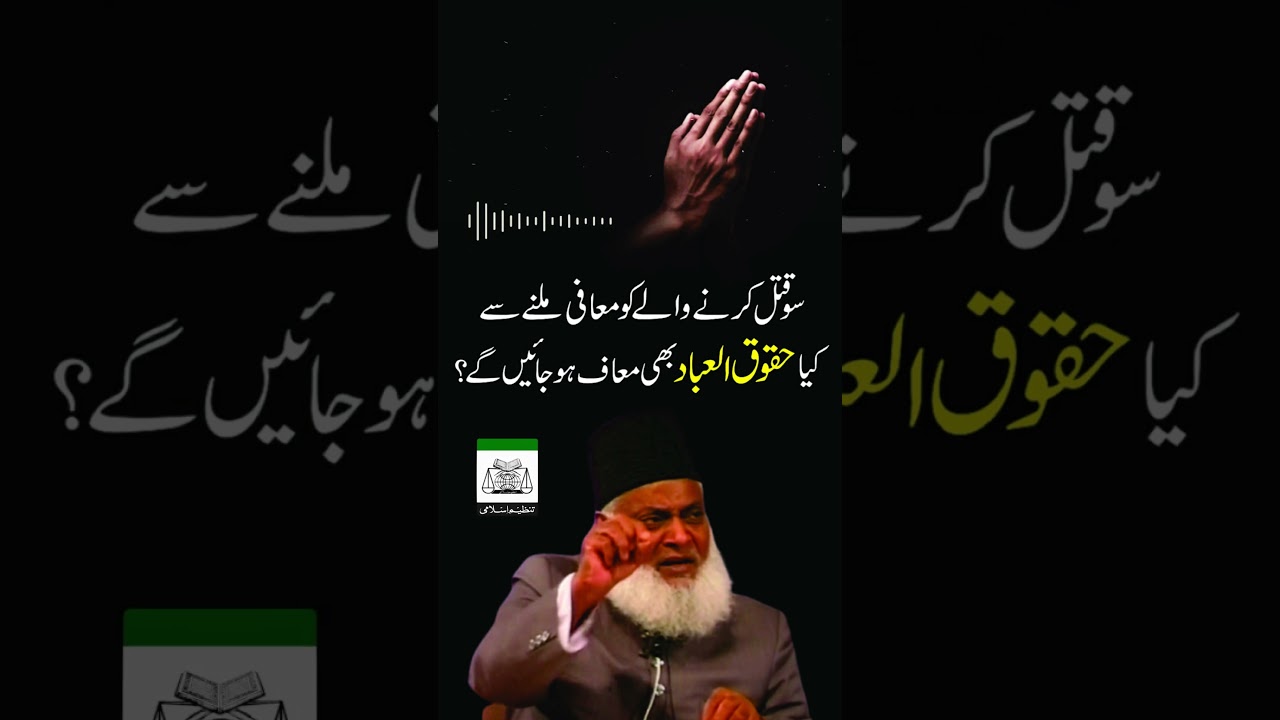
This lecture addresses the question of whether sincere repentance absolves a murderer of all consequences, both in this life and the afterlife. It clarifies that while Allah is merciful and can forgive, the rights of the victim ('diya') must be addressed. Repentance does not negate worldly justice; the perpetrator still faces legal consequences. True repentance stems from the depths of the heart and leads to divine forgiveness. Allah will compensate the victims in the hereafter from His vast treasures. The lecture emphasizes that repentance is a process, not a mere declaration, and does not exempt one from accountability for their actions.
79

The speaker emphasizes the vital importance of gentleness and compassion. Depriving oneself of kindness leads to a loss of all goodness. True piety isn’t merely about religious observance or asceticism; it's fundamentally rooted in empathy and the ability to alleviate the suffering of others. One cannot be genuinely righteous or a scholar of religious knowledge while lacking compassion or failing to assist those in need. Kindness is the defining characteristic of a truly pious individual, surpassing mere ritualistic worship or self-denial.
43

This lecture details the revelation of the Quran and its transmission. The Quran originated from the Preserved Tablet and the Book of Decrees, conveyed by Archangel Gabriel to Prophet Muhammad (peace be upon him). This transmission wasn't literal hearing with ears, but a direct conveyance to the heart. From the Prophet’s heart, it was then articulated through his blessed tongue to the ears of his companions, and preserved in their memories. The lecture emphasizes the trustworthiness of both Gabriel and Muhammad in preserving the divine message, highlighting that neither altered the revealed text. It draws a distinction between divine revelation and the words of poets or soothsayers, reinforcing the unique and sacred nature of the Quranic message. The Prophet’s role as a receiver and communicator of this message is also underscored.
52
