শর্টস
This lecture emphasizes that success and overcoming challenges are only possible with the support of a divine force. It addresses the reasons for national decline and the imposition of external policies, asserting that true independence requires alignment with a higher power. The speaker warns against allowing external entities like the IMF and World Bank to dictate national fate, highlighting the need for policies rooted in faith and divine guidance. Without divine support, the nation risks continued subjugation and the loss of control over its own destiny.

92

This lecture explores the concept of attributing both good and evil to Allah, emphasizing the importance of acknowledging mistakes and seeking forgiveness. It clarifies that while humans are prone to error, attributing good deeds to divine guidance and accepting responsibility for misdeeds is crucial. The speaker highlights the necessity of repentance (tawbah) and understanding that true guidance comes from Allah alone. The discussion also touches upon the temptation and subsequent justification of wrongdoing, illustrating the deceptive nature of Shaytan and the importance of self-accountability. Ultimately, the lecture emphasizes that sincere repentance and reliance on Allah’s mercy are essential for spiritual growth.
60

Despite prevailing hardship and the absence of good news, divine light will ultimately prevail, as Allah will fulfill His purpose regardless of opposition. Allah sent His Messenger with a decisive message: the complete guidance of the Quran. This guidance establishes a just system – a true faith and a complete way of life – intended to triumph over all opposition. The purpose of this message is to establish a just and equitable social order, ensuring the ultimate victory of truth and righteousness.
88
This lecture details the rulings surrounding I'tikaf during the last ten days of Ramadan. It clarifies that I'tikaf begins after the completion of the first twenty nights and continues until the sighting of the new moon marking the start of Shawwal. The lecture specifically addresses the prohibition of marital relations for those observing I'tikaf within the mosque, while permitting visitation from spouses for necessary consultation. The wisdom behind these rulings will be discussed further.
89

This lecture emphasizes the comprehensive responsibility of individuals, particularly heads of households, not only to provide for their families' material needs but also to ensure their spiritual well-being and protect them from the consequences of wrongdoing. It highlights that each person will be held accountable for the guidance and upbringing of those under their care – spouses, children, and other dependents. The speaker stresses that safeguarding one's family from the fires of hell is a positive and essential duty, drawing parallels to a shepherd being accountable for their flock.
92
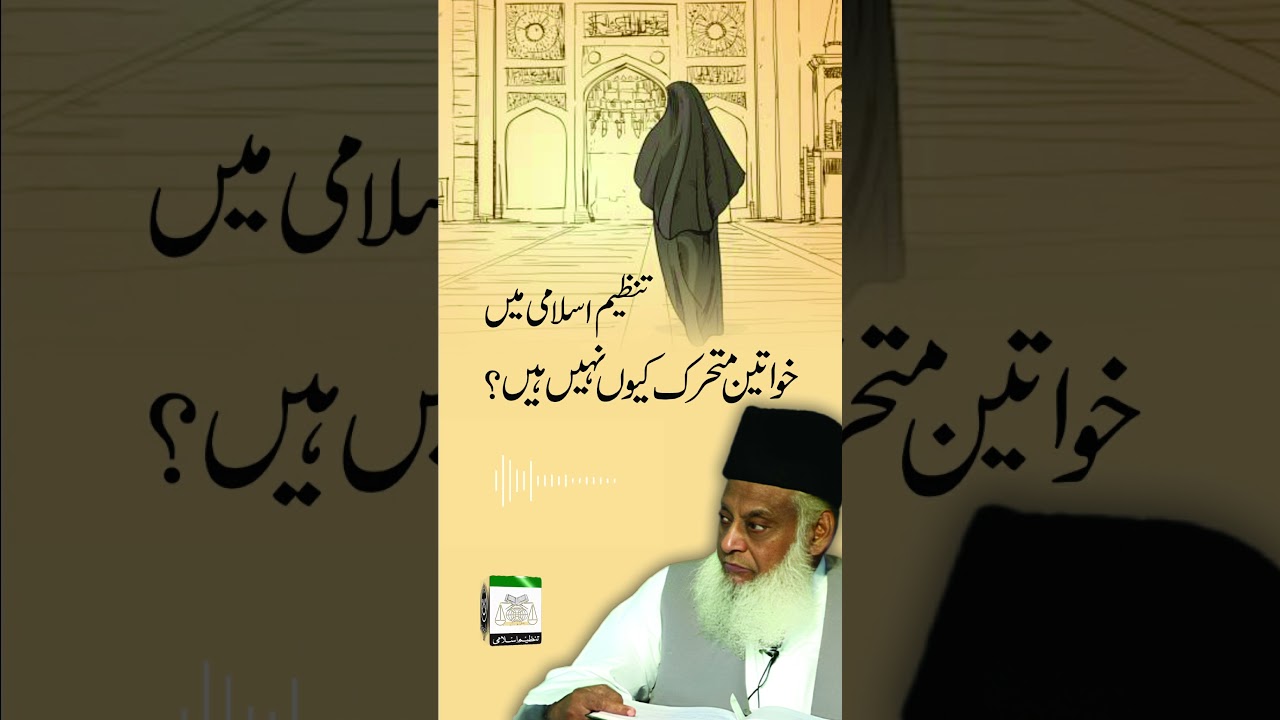
This lecture discusses the societal expectations placed upon women, particularly within a traditional framework. It highlights the prioritization of domestic responsibilities and the perceived conflict between these duties and external activities like preaching or political canvassing. The speaker emphasizes that a woman’s primary sphere of influence is her home, and while participation in other areas isn’t forbidden, it should not come at the expense of her familial obligations. The lecture addresses the potential for conflict when societal expectations clash with a woman's desire to engage in public life and suggests a balanced approach is necessary. It suggests that societal structures will naturally slow the pace of external activities for women prioritizing their homes.
101
