निकर
Musab bin Umar, a young man raised in luxury, faced ostracism when he refused to renounce his faith after his father’s death. His mother, unable to defy her brother, the head of the family, was forced to comply with the uncle’s decree that Musab forfeit his inheritance and leave the house. The uncle, angered by Musab's adherence to his father’s religion, demanded he relinquish all property acquired through his father's wealth. Musab accepted the exile, even removing the clothes he wore, which were purchased with that wealth, before leaving his home. This demonstrates a powerful commitment to belief and principle.

64
This lecture emphasizes that worldly life is a cultivation for the afterlife. Every moment presents an opportunity to sow seeds for eternal rewards. Actions in this world directly impact one’s destiny in the hereafter. The speaker urges viewers to recognize the immense value of each moment and to diligently work and strive in this life to reap a bountiful harvest in the next. It’s a call to mindful living and purposeful action, framing life as an investment in eternal success.
75
This lecture explores the life of Syeda Fatima, the beloved daughter of the Prophet Muhammad (peace be upon him). It details her hardships, including physical strain from household chores and the challenges faced by early Muslims. The discussion emphasizes her devotion, piety, and the sacrifices she made for her father and the nascent Muslim community. It also addresses a poignant moment where she questions the disparity in worldly possessions, highlighting her spiritual focus despite material needs. The lecture concludes with a reflection on the immense love and respect the Prophet held for his daughter and the practice of reciting specific praises after each prayer.
57
This lecture discusses the significance of sacrifice, specifically the practice of offering animals during Eid al-Adha. It explains that sacrifice is a universal practice ordained by God for every community throughout history. The discussion highlights the historical context of animal sacrifice, particularly the use of camels in Arab culture, and connects this practice to a deeper spiritual relationship with God. The act of sacrifice, whether a camel, goat, or other animal, serves as a symbolic offering and a demonstration of devotion, ultimately bringing blessings and goodness to the believer.
73

True prayer transcends ritual; it’s a direct communion with God, achieving a spiritual ascent akin to *mi'raj*. This lecture emphasizes that the essence of prayer lies in a conscious awareness of God’s presence and heartfelt submission. Without this spiritual awakening, even diligent performance of obligatory prayers remains incomplete. The speaker stresses that a dormant or ‘dead’ soul cannot experience this profound connection. Reviving the soul is crucial to unlock the true potential of prayer and achieve a state of direct communication with the Divine.
60
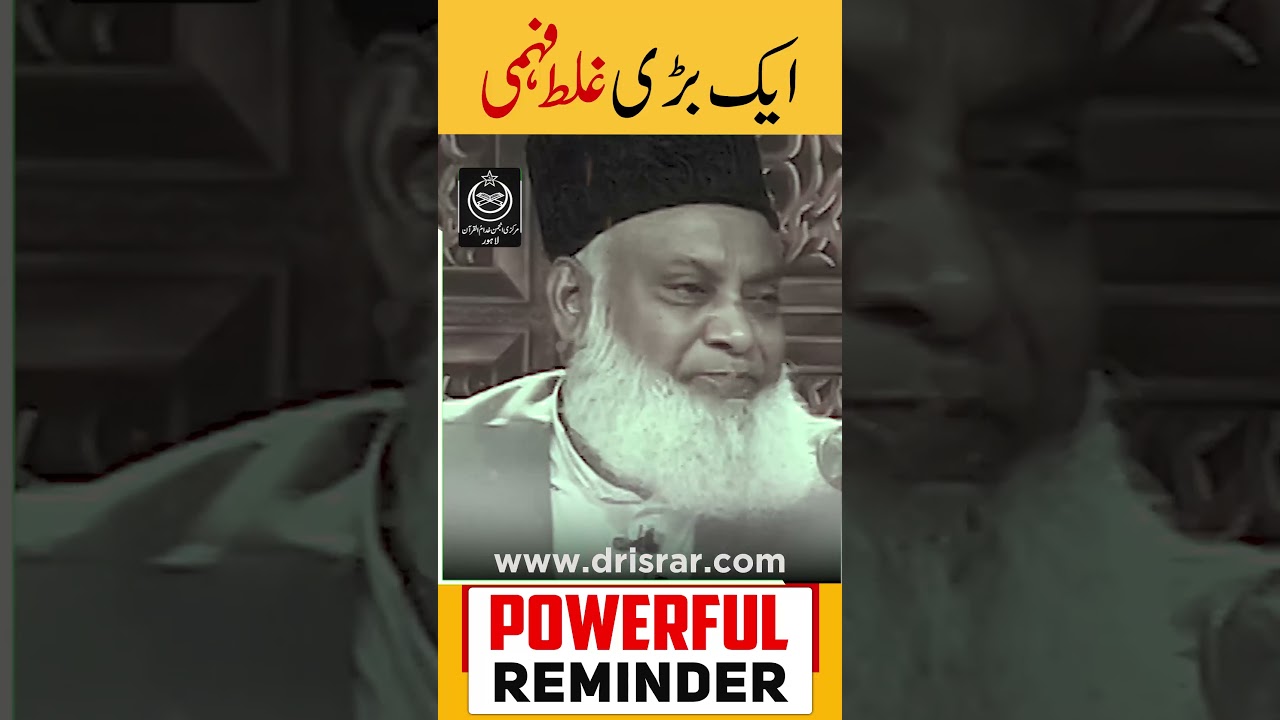
This lecture discusses the fundamental belief that adhering to the principles of Islam in this world will secure salvation in the afterlife. It emphasizes that recognizing God through innate disposition and reason, accepting the Prophet’s call, and living a life of faith establishes one as among the most honorable of humanity. The speaker argues that a sincere connection with the divine, established through both intuition and intellect, guarantees a reserved place in Paradise.
64
