Shorts
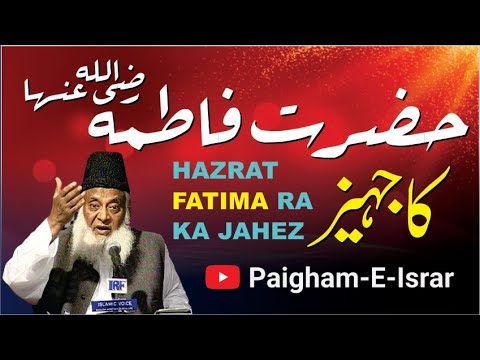
This lecture clarifies a common misconception regarding the dowry (jehez) of Hazrat Fatima (RA), the daughter of the Prophet Muhammad (peace be upon him). It explains that Hazrat Fatima’s marriage was unique in that her father, the Prophet, asked Ali (RA) if he had anything to offer as *mahr* (dower). Ali, being among the poorer companions, had nothing. He sold his armor, and Hazrat Usman (RA) purchased it, later gifting it back. The proceeds, along with a small contribution from the Prophet, were used to furnish a modest home for Fatima, including items like a mat made of date palm leaves, pillows, a water skin, and a hand mill. The Prophet did not contribute any money directly to the dowry; all provisions came from Ali’s effort and the generosity of others.

95
This lecture clarifies the dangers of associating guardianship (wilaayat) with anyone other than Allah. It explains that basing friendships on expectation of future favors and performing wrong deeds for a friend’s sake, based on the hope of reciprocal help, is a flawed concept. True guardianship belongs to Allah alone; attributing it to others constitutes shirk. The speaker emphasizes that relying on someone's weakness or need for assistance as a basis for a relationship creates a dependency that contradicts the true meaning of devotion to Allah.
56
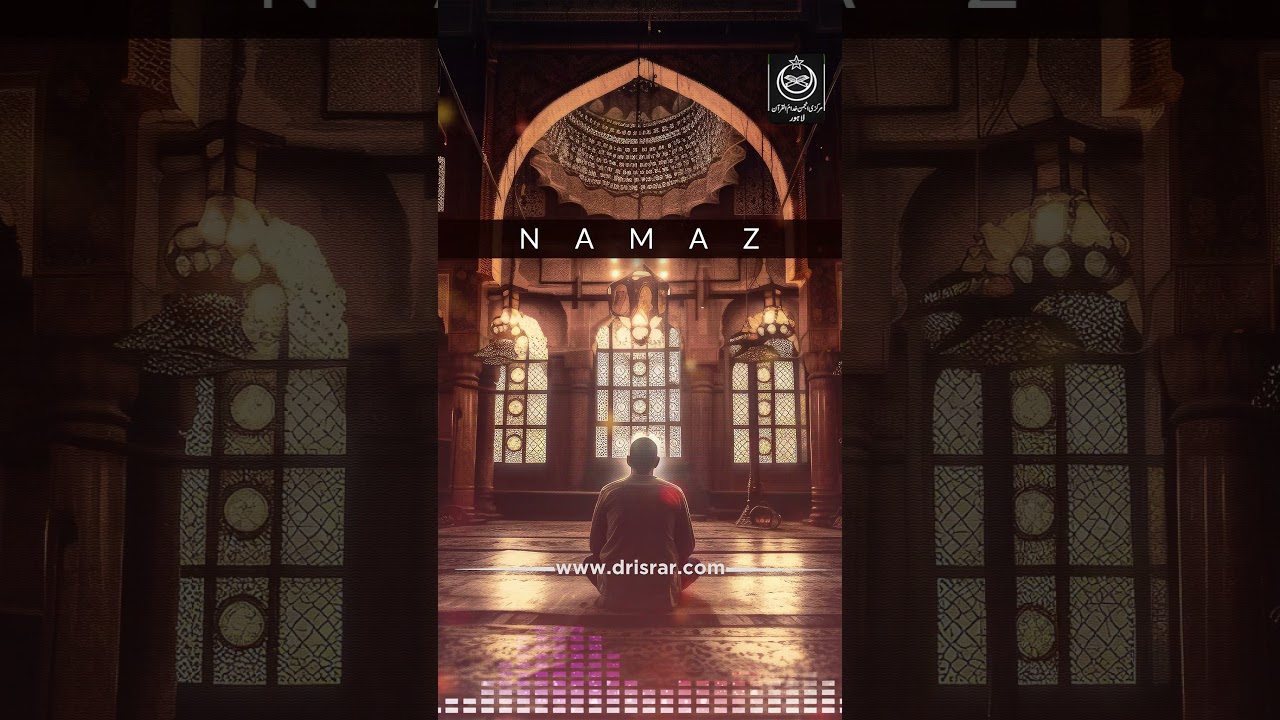
True goodness isn't merely external ritual; it’s an internal transformation affecting the entire being. The essence of worship, like prayer, lies not in its technicalities, but in achieving a spiritual presence with God. Genuine prayer evokes a heartfelt connection, a sense of joy, and a direct communion with the Divine. The experience should be one of complete surrender and humility before God. Without this spiritual depth, the act remains incomplete.
45

This lecture discusses the grave sin of submitting to any authority other than God. It equates failing to establish a caliphate—a system promised by God—with disbelief, ingratitude, and rebellion. The speaker argues that Muslims must actively strive to fulfill this divine promise, or risk spiritual ruin. The lecture draws a parallel between this failure and the disobedience of Iblis, highlighting the seriousness of rejecting God's ordained system of governance. It serves as a warning against complacency and a call to action for the Muslim community.
67
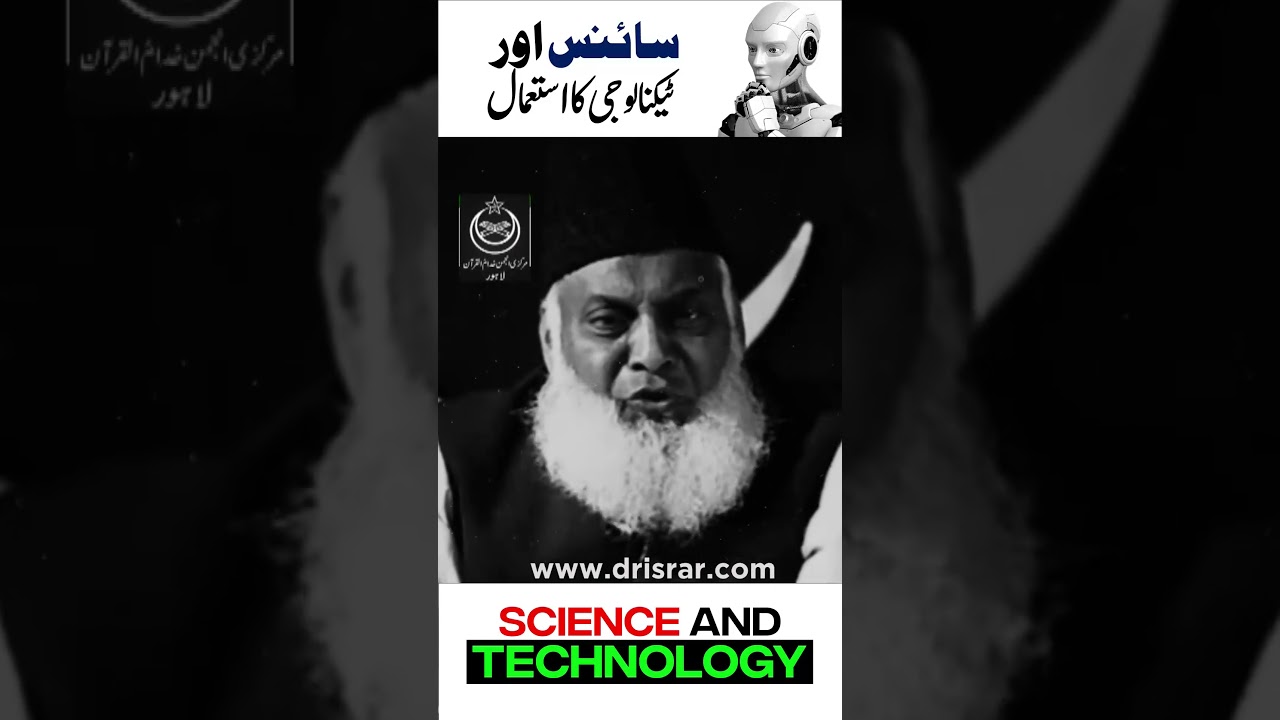
Science and technology are rapidly advancing. This lecture addresses the permissibility of utilizing advancements, distinguishing between those aligned with Islamic principles (Kitab o Sunnat) and those that are neutral. It emphasizes that progress benefiting humanity should be embraced, while innovations contradicting core Islamic values should be rejected. The lecture posits that human progress is a collective inheritance, not the property of any individual, and should be guided by ethical considerations rooted in faith. Neutral advancements, permissible within an Islamic framework, can be adopted and integrated into society.
83
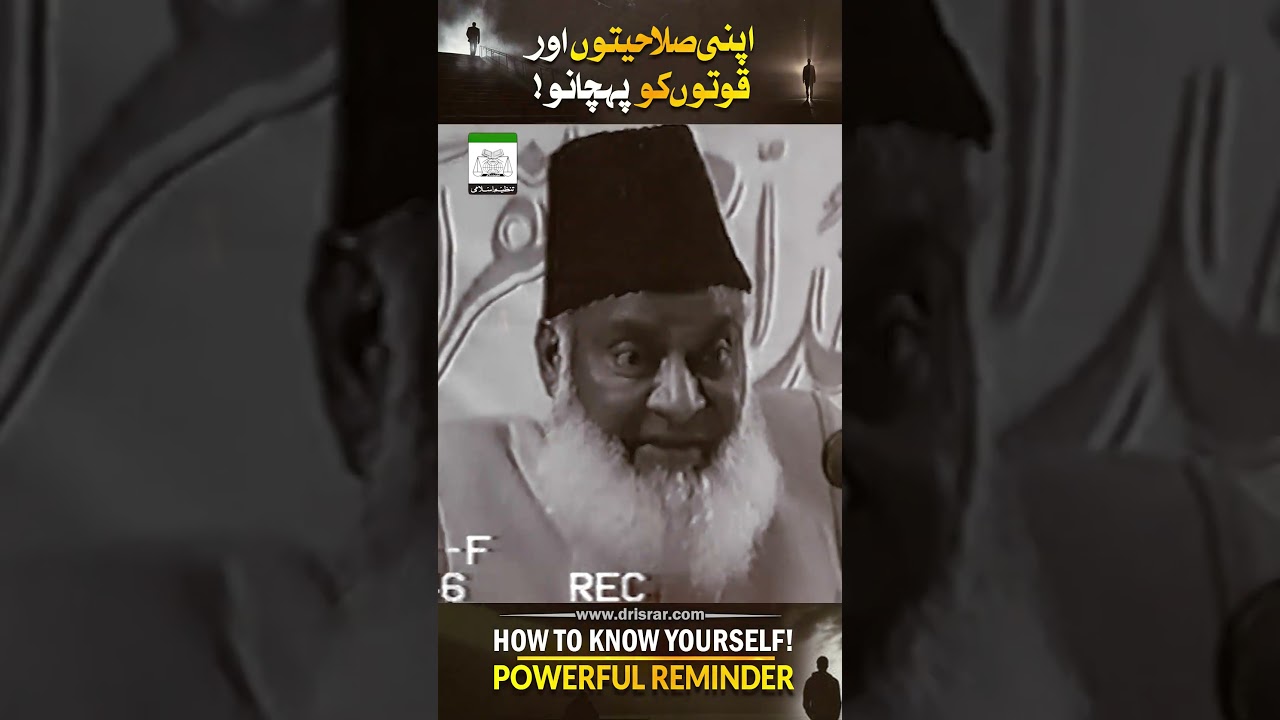
This lecture emphasizes the immense potential within humanity, created by God, and the inherent power residing within each individual. It argues that humans are unknowingly squandering their abilities by focusing solely on worldly pursuits. The speaker posits that if this innate power were directed towards recognizing and realizing the oneness of God, a profound transformation would occur, ultimately revealing divine glory. The core message stresses the importance of self-awareness and utilizing one’s capabilities for spiritual growth and the realization of God’s presence.
58
